
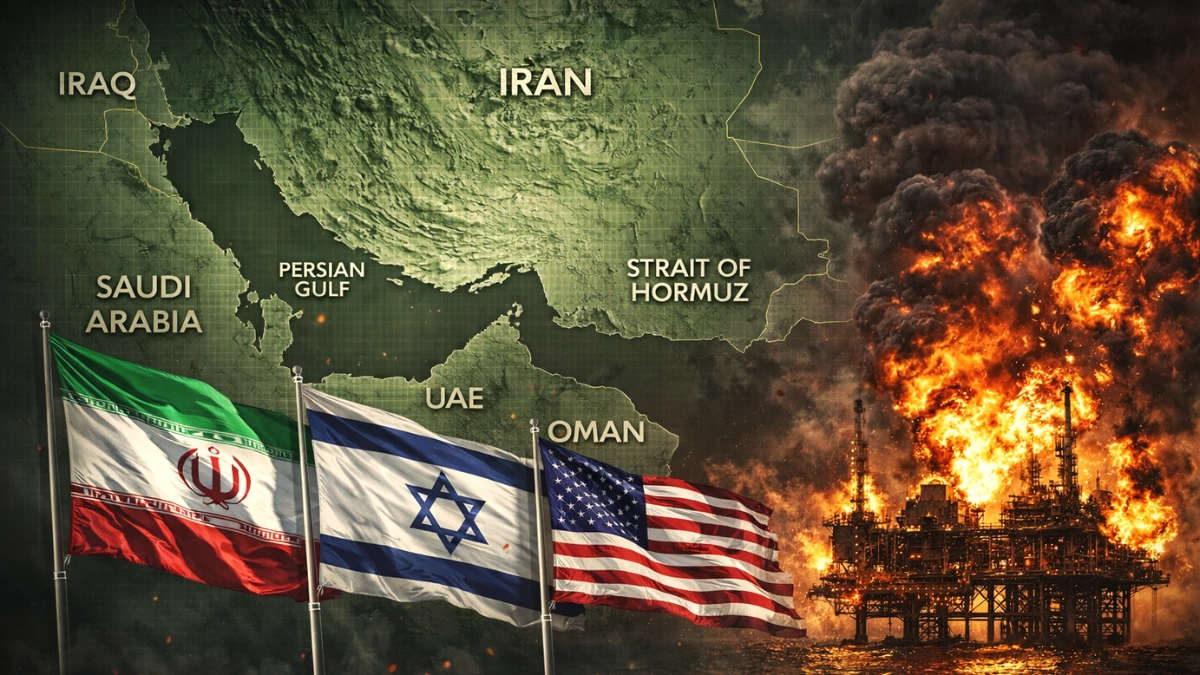
As tensions escalate between Iran and the United States, one narrow stretch of water has become central to global diplomacy — the Strait of Hormuz. Recent ceasefire discussions increasingly depend on keeping this waterway open, highlighting just how critical it is to global trade, energy supply, and economic stability.
Although it may appear small on a map, the Strait of Hormuz is one of the most strategically important shipping lanes in the world. Any disruption in this region can send shockwaves across global markets, affecting fuel prices, inflation, and even geopolitical relations.
What Is the Strait of Hormuz?
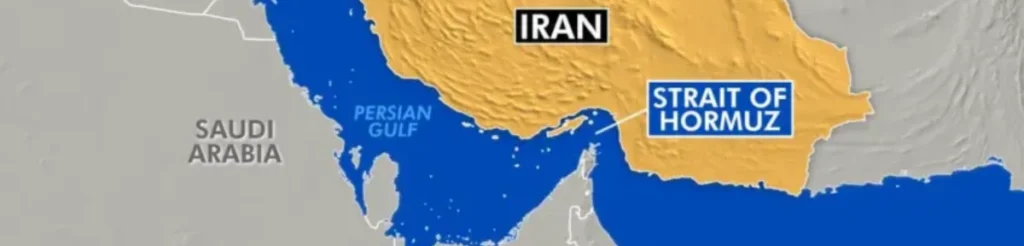
The Strait of Hormuz is a narrow waterway located between Iran and Oman, connecting the Persian Gulf to the Arabian Sea. Despite its narrow width, it serves as one of the most important energy transit routes globally.
At its narrowest point, the strait is only about 33 kilometers wide, with shipping lanes even narrower. Yet, millions of barrels of oil pass through this route every day. This makes the Strait of Hormuz not only geographically significant but economically vital for many countries.
Why the Strait of Hormuz Is So Important

1. A Major Portion of the World’s Oil Passes Through
One of the biggest reasons the Strait of Hormuz is so important is the sheer volume of oil that flows through it. Roughly one-fifth of the world’s oil supply passes through this narrow waterway. This includes oil exports from major producers like:
- Saudi Arabia
- Iraq
- Kuwait
- United Arab Emirates
- Qatar
These countries depend heavily on this route to transport their energy resources to global markets. If the strait is blocked, global oil supply could be disrupted, leading to immediate price increases.
2. Natural Gas Shipments Also Depend on It
The Strait of Hormuz is not just important for oil. It also plays a critical role in the transport of liquefied natural gas (LNG). Qatar, one of the world’s largest LNG exporters, sends most of its shipments through this route.
Countries such as India, China, Japan, and South Korea rely heavily on these shipments. Any disruption can impact electricity generation, industries, and fuel availability.
3. Limited Alternative Routes
Another reason why the Strait of Hormuz is so critical is the lack of alternative routes. While some countries have pipelines that bypass the strait, these pipelines cannot handle the full volume of oil exports.
This means that if the Strait of Hormuz is blocked, there is no quick solution to replace the lost supply. The result could be shortages and rising fuel prices worldwide.
Why Ceasefire Talks Depend on the Strait
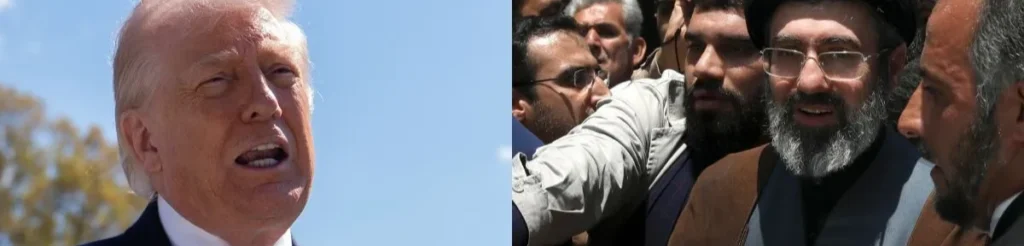
Recent tensions have made access to the Strait of Hormuz a major factor in ceasefire discussions. The United States and its allies want to ensure that global energy supply remains uninterrupted. On the other hand, Iran views control over the strait as a strategic advantage.
Because of its importance, even the threat of disruption can cause panic in global markets. Oil prices often surge when tensions rise in the region, and shipping companies may avoid the area due to safety concerns.
This is why maintaining open access to the Strait of Hormuz has become a key demand in ceasefire negotiations.
Economic Impact of a Disruption

Rising Fuel Prices
If shipping through the Strait of Hormuz is disrupted, oil prices can rise quickly. Higher oil prices lead to increased fuel costs, which affect transportation, logistics, and everyday expenses.
Consumers may see higher prices for:
- Petrol and diesel
- Airline tickets
- Food and groceries
- Transportation services
Inflation and Economic Slowdown
Energy prices influence nearly every sector of the economy. When oil prices rise, businesses face higher operational costs. These costs are often passed on to consumers, resulting in inflation.
Higher inflation can slow economic growth and reduce consumer spending. This can affect both developed and developing economies.
Market Volatility
Financial markets are highly sensitive to geopolitical tensions. Any news related to the Strait of Hormuz often leads to volatility in stock markets, currencies, and commodities.
Investors tend to move toward safer assets such as gold during uncertain times, which further impacts financial markets.
Military and Strategic Importance

The Strait of Hormuz is also important from a military perspective. Because it is narrow and heavily trafficked, it is vulnerable to disruptions such as:
- Naval blockades
- Missile threats
- Mine deployment
- Drone surveillance
This makes the region strategically important for global powers, including the United States and its allies.
Countries Most Affected
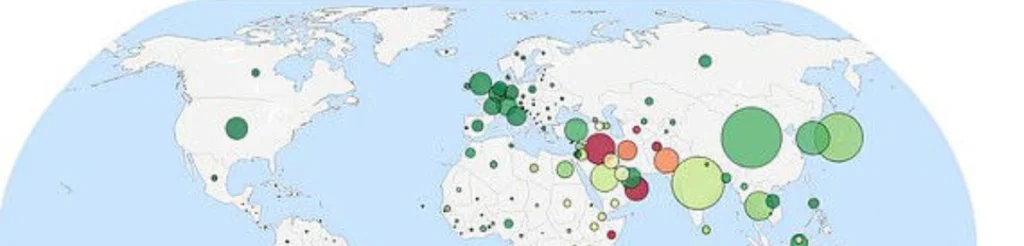
If the Strait of Hormuz is closed, several countries would face serious consequences.
Oil Exporters
- Saudi Arabia
- Iraq
- Kuwait
- UAE
- Qatar
Oil Importers
- India
- China
- Japan
- South Korea
- European countries
These countries rely heavily on stable energy supply.
Historical Tensions
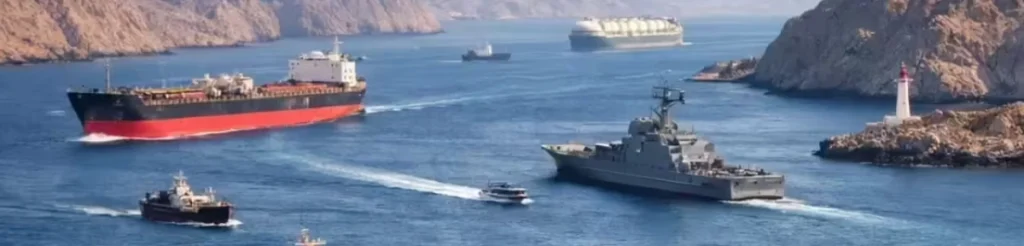
The Strait of Hormuz has been a flashpoint for decades. During the Iran-Iraq War in the 1980s, attacks on oil tankers in the region caused major disruptions. Similar tensions have occurred in recent years, including tanker incidents and military standoffs.
Each time tensions rise, markets react immediately, showing the global importance of this waterway.
What Happens If the Strait Is Closed?

Experts warn that closing the Strait of Hormuz could lead to:
- Global oil shortages
- Higher fuel prices
- Increased inflation
- Economic slowdown
- Supply chain disruptions
Even partial disruption could have significant economic consequences.
Why the World Is Watching Closely
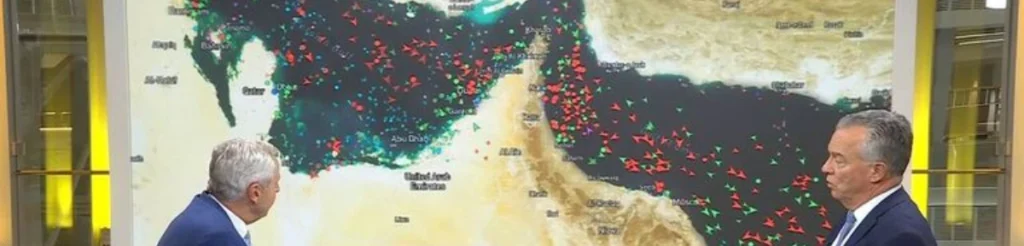
The Strait of Hormuz may be narrow, but its impact is enormous. It plays a key role in global energy security and economic stability. This is why ceasefire negotiations increasingly focus on keeping this waterway open.
If tensions ease and the strait remains open, markets may stabilize. However, if tensions escalate, the consequences could affect economies worldwide.
Conclusion
The Strait of Hormuz remains one of the most important waterways in the world. With a significant portion of global oil and gas passing through it, the strait plays a crucial role in maintaining economic stability. As ceasefire talks continue, access to this narrow passage has become central to global diplomacy.
What happens in the Strait of Hormuz does not just affect the Middle East — it impacts the entire world. From fuel prices to global markets, this small stretch of water holds enormous influence over the global economy and geopolitical landscape.