
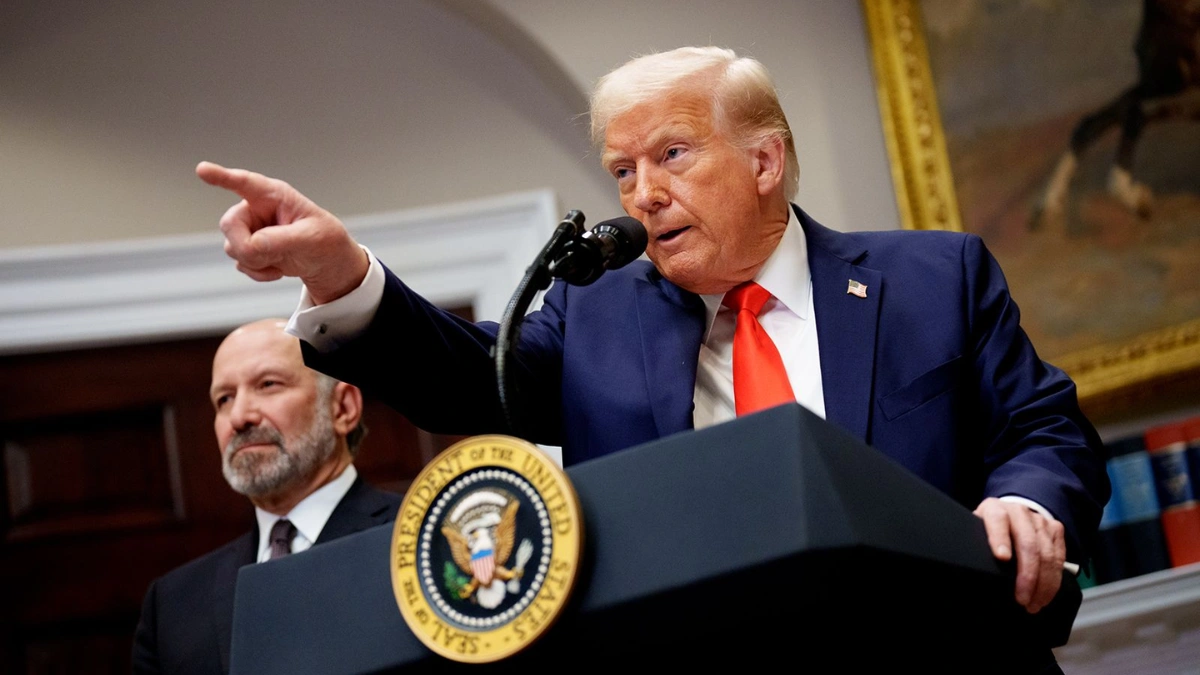
The ongoing confrontation between the United States and Iran has triggered one of the most volatile geopolitical crises of the decade. What began as a calculated military campaign aimed at weakening Iran’s strategic capabilities has now evolved into a complex conflict with far-reaching global consequences. According to several political analysts and geopolitical experts, recent decisions by U.S. President Donald Trump may have inadvertently created what some describe as the “worst of all possible worlds” — a scenario where military gains are overshadowed by political instability, regional escalation, and economic disruption.
Military Success vs Political Failure
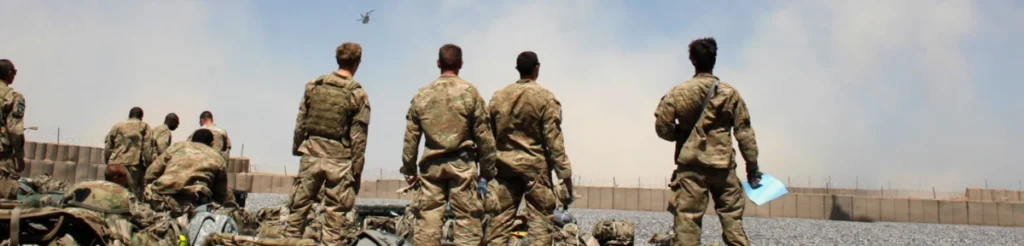
One of the central arguments made by analysts is that the United States has achieved notable tactical victories against Iran’s military infrastructure. Strategic airstrikes have targeted key installations, missile stockpiles, and command centers, significantly degrading Iran’s conventional capabilities. However, experts argue that military success alone does not guarantee political or diplomatic victory.
Political risk analyst Ian Bremmer noted that while the U.S. campaign has inflicted considerable damage on Iran’s military assets, it has not translated into clear political gains for Washington. Instead, the conflict has intensified regional tensions and strengthened hardline elements within Iran’s leadership structure.
This disconnect between battlefield outcomes and political objectives is a recurring theme in modern warfare. Analysts suggest that Washington’s initial expectation of a quick strategic victory may have underestimated Iran’s resilience and capacity for retaliation.
Hardliners Consolidate Power in Iran
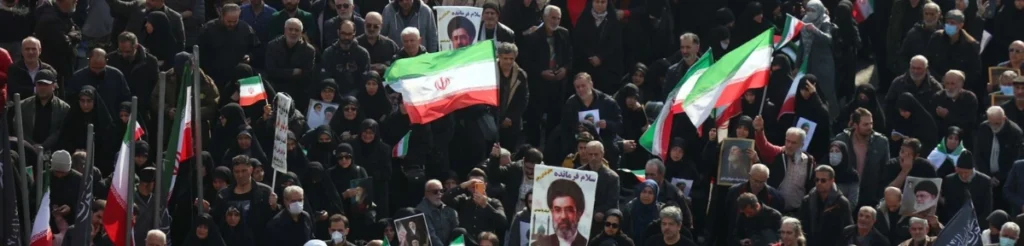
Another unintended consequence of the conflict has been the consolidation of power by Iran’s Islamic Revolutionary Guard Corps (IRGC). Intelligence assessments indicate that despite sustained attacks and leadership losses, Iran’s governing structure remains intact and has, in some ways, become more hardline.
This development has complicated U.S. objectives of encouraging internal political change or weakening Iran’s ideological grip. Rather than triggering widespread dissent, the conflict appears to have strengthened nationalist sentiment and allowed Iran’s leadership to tighten control over domestic opposition.
Experts argue that this outcome represents a strategic miscalculation. Instead of fostering moderation or reform, external pressure has hardened political attitudes in Tehran and reduced the likelihood of diplomatic compromise.
The Strait of Hormuz Gamble
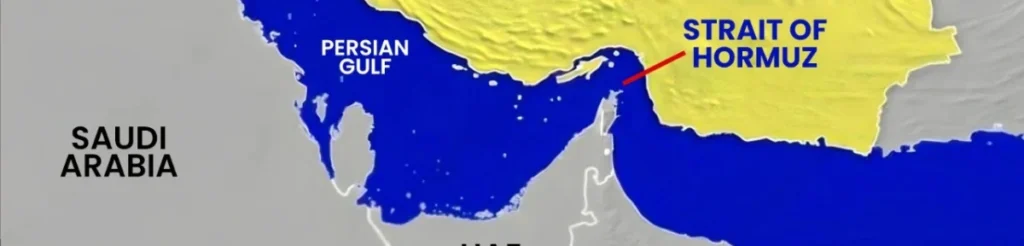
Perhaps the most significant escalation has been Iran’s blockade of the Strait of Hormuz — a vital global energy chokepoint through which roughly one-fifth of the world’s oil supply passes. The disruption has triggered sharp increases in global oil prices and heightened fears of a prolonged economic crisis.
Analysts believe the blockade represents Iran’s strongest strategic leverage. By targeting global energy flows rather than solely military assets, Tehran has broadened the conflict’s impact far beyond the Middle East. This move has also complicated U.S. military planning, as fully securing the shipping route would require sustained naval operations and international coordination.
Critics argue that Washington underestimated Iran’s willingness to use economic warfare as a retaliatory tool. The resulting energy market instability has strained U.S. alliances and increased pressure on global financial systems.
Regional Spillover and Allied Concerns

The conflict has not remained confined to Iran’s borders. Retaliatory strikes have reportedly targeted U.S. bases and infrastructure in Gulf states, raising concerns about a broader regional war. Intelligence sources suggest that American leadership had been warned about the possibility of such escalation but proceeded with military operations nonetheless.
This has placed Washington’s regional partners in a difficult position. Gulf nations now face heightened security threats, while European allies worry about the long-term economic impact of disrupted energy supplies. Some critics argue that insufficient diplomatic groundwork before launching military strikes has left the United States politically isolated.
Humanitarian and Ethical Controversies
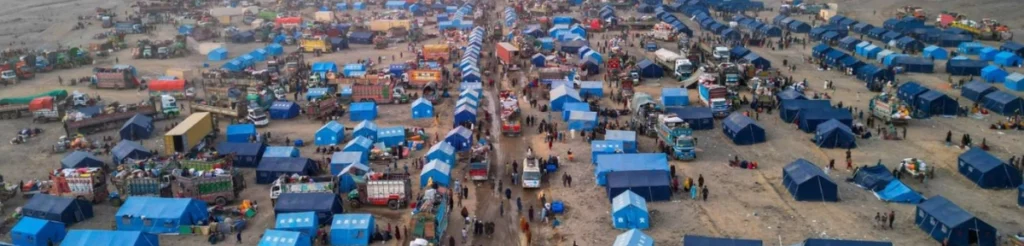
The conflict has also been marked by allegations of civilian casualties and controversial targeting decisions. Investigations into airstrikes that reportedly hit non-military locations have sparked international criticism and renewed debate about the ethical conduct of modern warfare.
Such incidents risk undermining U.S. credibility on the global stage and provide Iran with propaganda opportunities to rally domestic and international support. Analysts warn that even isolated mistakes can have long-lasting political consequences, particularly in an era of instant global media coverage.
Strategic Overreach and the Limits of Force
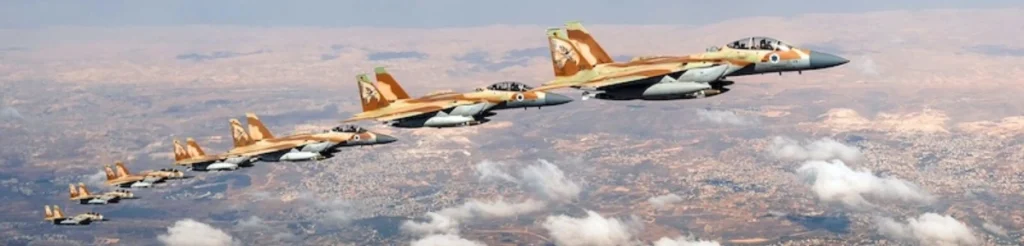
One of the key criticisms of the current strategy is the belief that Washington may have overestimated the effectiveness of military pressure in achieving long-term geopolitical goals. Historical precedents suggest that regime change through external force often produces unpredictable outcomes, including prolonged instability, insurgency, or the emergence of even more radical leadership.
Some analysts argue that the current trajectory risks trapping the United States in an open-ended conflict. While initial strikes may have been designed as a limited operation, escalating retaliation and shifting objectives could lead to deeper military involvement.
Domestic Political Calculations
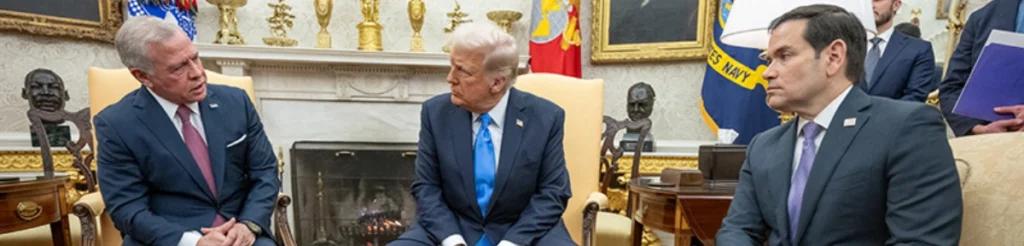
The crisis also carries significant domestic political implications for the U.S. administration. Supporters of the military campaign view it as a demonstration of strength and decisive leadership. Critics, however, warn that prolonged conflict without clear strategic gains could erode public support and damage Washington’s global standing.
Political observers note that modern conflicts are increasingly shaped by media narratives and public perception. Even a technically successful military campaign can be viewed as a failure if it leads to economic hardship or geopolitical instability.
The “Worst of All Possible Worlds” Scenario
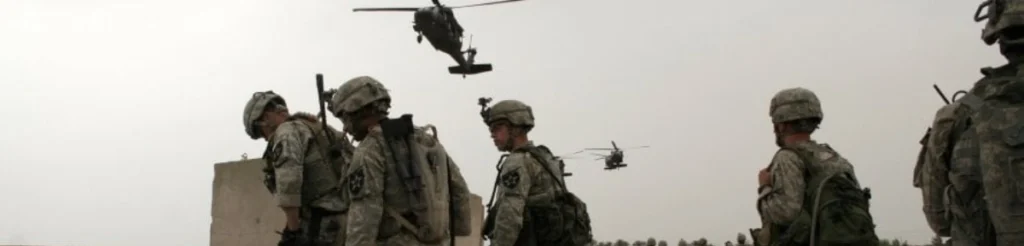
The phrase “worst of all possible worlds” reflects a growing concern among analysts that the conflict has produced a combination of negative outcomes. These include:
- Military escalation without decisive political victory
- Strengthening of hardline leadership in Iran
- Disruption of global energy markets
- Heightened regional insecurity
- Increased risk of long-term military entanglement
In this scenario, neither side achieves its primary objectives. Instead, the conflict creates a prolonged stalemate with significant humanitarian, economic, and strategic costs.
Pathways to De-escalation
Despite the current tensions, experts believe diplomatic engagement remains the only sustainable path forward. Negotiated solutions could involve phased sanctions relief, security guarantees, and international monitoring mechanisms. However, rebuilding trust between Washington and Tehran will be challenging given the recent escalation.
Global powers, including European nations and regional stakeholders, may play a crucial role in mediating future talks. The outcome of these diplomatic efforts will likely determine whether the conflict continues to spiral or gradually stabilizes.
Conclusion
The unfolding crisis between the United States and Iran illustrates the complex interplay between military strategy, political objectives, and global economic realities. While tactical victories can shape the battlefield, they do not automatically translate into lasting peace or geopolitical advantage.
Analysts who describe the situation as the “worst of all possible worlds” are highlighting the dangers of pursuing military solutions without fully considering long-term consequences. As the conflict continues to evolve, the choices made by policymakers in Washington, Tehran, and beyond will shape not only the future of the Middle East but also the stability of the global order.