
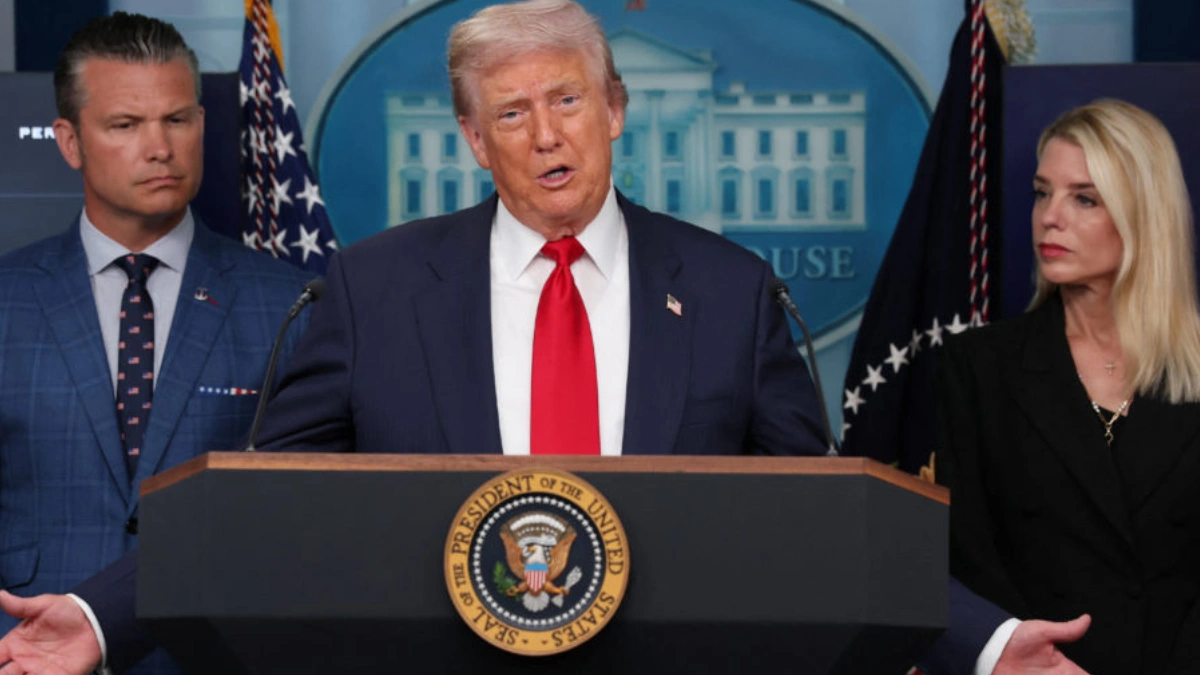
Donald Trump, the president of the United States, has intensified his continuing conflict with officials in Washington, D.C., by threatening to declare a new national emergency in the capital. Trump asserted that his use of federal soldiers had made the city “one of the safest” in the world, replacing “one of the most dangerous” in a series of postings on Truth Social.
In his comments, he criticised D.C. Mayor Muriel Bowser for allegedly impeding federal efforts to combat crime by refusing to assist with ICE raids that target undocumented immigrants. Trump threatened that crime would “come roaring back” in the absence of federal monitoring, promising to step in once more if needed.
Ivy League Dreams: Why These Eight U.S. Universities Define Academic Prestige
Trump’s Claims of Success
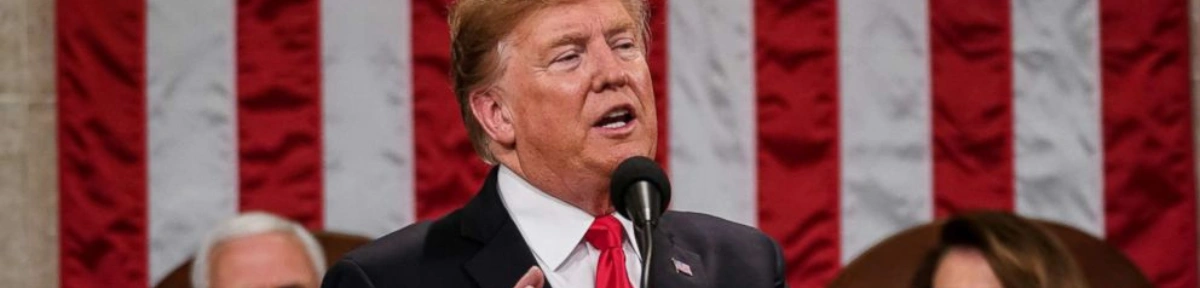
Trump presented a dramatic image of government action in his statement.
Under his direction as President of the United States of America, he wrote, “The Federal Government has stepped into the complete criminal mess that was Washington, DC, our Nation’s Capital.”
He continued by boasting that the city’s crime rate has fallen in “just a few weeks,” attributing this to the work of federal law enforcement and the National Guard. Trump claimed that the operation brought “virtually no crime” and brought peace back to violent neighbourhoods.
However, his assertions are criticised for overstating the federal role. They point out that prior to the president’s emergency measures, crime rates in D.C. were already on the decline.
Tesla’s $1 Trillion Bet on Elon Musk: Why the Board Says It’s Worth It
The ICE Dispute with Mayor Bowser
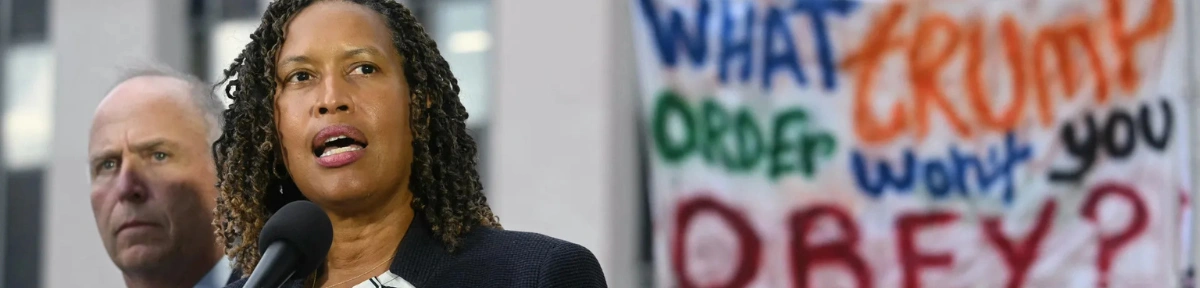
Trump did not lash out at Mayor Muriel Bowser, saying she was caving in to “Radical Left Democrats.” According to him, Bowser gave the Metropolitan Police Department orders to cease assisting ICE in the detention and deportation of unauthorized immigrants.
Regarding the decrease in crime, Trump stated, “It has been a beautiful thing to watch, but, now… Bowser has informed the Federal Government that the Metropolitan Police Department will no longer cooperate with ICE in removing and relocating dangerous illegal aliens.”
According to Trump, the unwillingness to work with federal immigration authorities is an invitation for “crime to come roaring back” rather than merely a political dispute.
Microsoft and OpenAI Reshape Their Partnership: Toward a For-Profit Future and Global AI Expansion
Emergency Powers and Federalization Threats

Last week, Trump’s 30-day emergency declaration that temporarily placed D.C. law enforcement under federal supervision came to an end. The White House hailed the operation as a huge triumph. In the event that the city does not support his plan, Trump has now vowed to extend and renew those measures.
“Don’t worry, I’m with you, Washington, D.C. businesses and people,” Trump said on social media. “I’ll declare a national emergency and, if required, federalise!”
In order to transfer authority from local leaders to federal authorities, the president has suggested on multiple occasions that police forces in large cities might be federalised.
The Numbers Behind the Crackdown
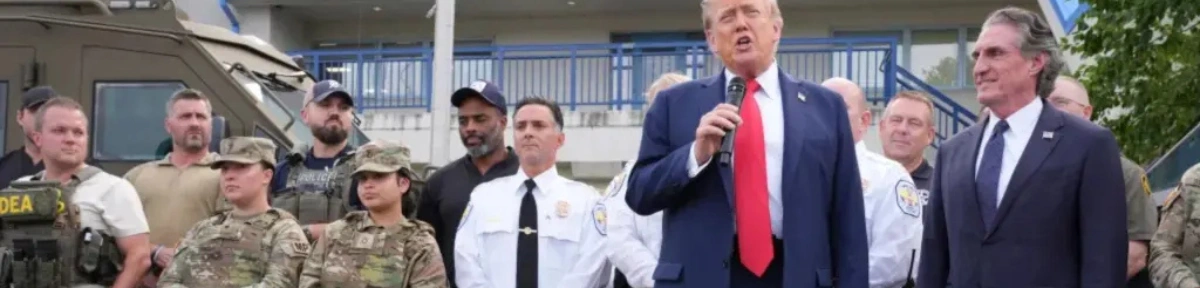
The Trump administration has provided numbers to support its assertions. Between the deployment of federal forces on August 7 and September 8, more than 2,100 arrests were made, according to White House data.
When compared to the same period in 2024, violent crime decreased by 39% at that time, according to data from the Metropolitan Police Department. With seven killings during the spike compared to 15 over the same period last year, homicides decreased by 53%.
Even Mayor Bowser noticed the progress. She pointed to a dramatic 87 percent decrease in carjackings over a 20-day period when compared to the previous year during a press conference on August 27.
According to Bowser, “we know that neighbourhoods feel safer and are safer when carjackings, gun use, homicides, and robberies go down.” “For that reason, this surge has been significant to us.”
However, many analysts warn that blaming the decline exclusively on federal action oversimplifies a complicated system and that short-term gains might not continue.
Mona Charen’s Break With MAGA: How the Epstein Scandal Undermines Trump’s Last Defense
Protests in the Streets
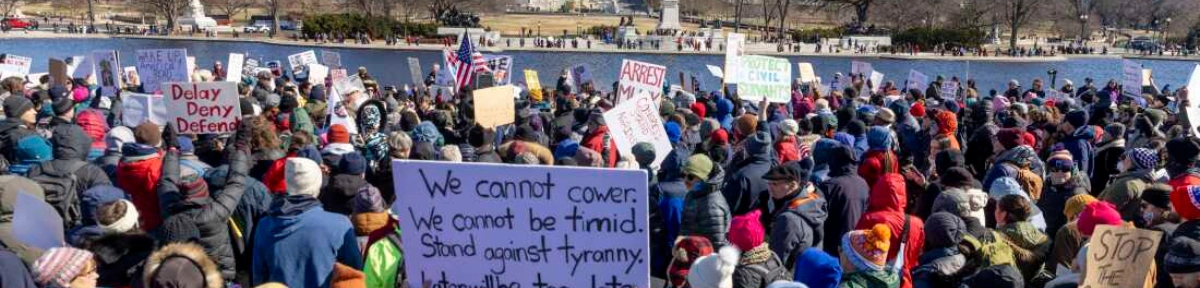
Although the crackdown was praised by Trump and his administration, not many locals shared this opinion. Earlier this month, thousands of demonstrators opposing the National Guard deployment flocked to the streets.
Signs in hand, they condemned the “militarisation” of the city, claiming that the use of troops to police neighbourhoods is an affront to civil liberties and democratic administration. The demonstrations highlighted how deeply activists’ worries about federal overreach and Trump’s tough-on-crime rhetoric diverge.
Donald Trump’s Crypto Revolution: From Sceptic to Bitcoin Superpower
Expanding the Security Surge to Other Cities

Trump has hinted that similar federal actions might not be limited to Washington. Citing Memphis, Tennessee’s increasing crime rate, he has already declared his intention to deploy the National Guard there. Additionally, he has suggested sending troops to Baltimore, New Orleans, and Chicago.
The action is part of Trump’s larger plan to establish himself as a president who places a high priority on maintaining law and order around the country, especially in Democratic-led areas that he regularly depicts as dangerous.
Donald Trump vs. Gavin Newsom: From Policy Battles to Meme Wars
Legal and Political Pushback

Trump’s ability to broaden the crackdown has been contested by Democrats and civil liberties organisations. They contend that using military soldiers for domestic law enforcement or federalising local police units are violations of established legislation.
The Posse Comitatus Act, a 19th-century legislation that limits the employment of soldiers in civilian law enforcement, was recently invalidated by a federal judge in Los Angeles, where Trump stationed 700 Marines and 4,000 National Guard troops in June.
That decision calls into question the legitimacy of Trump’s larger security surge plan, despite his ongoing threats of additional actions.
Hyundai Georgia Raid Prompts Trump’s Call for Foreign Companies to Comply with Immigration Rules
The Crime Debate: Perception vs. Reality
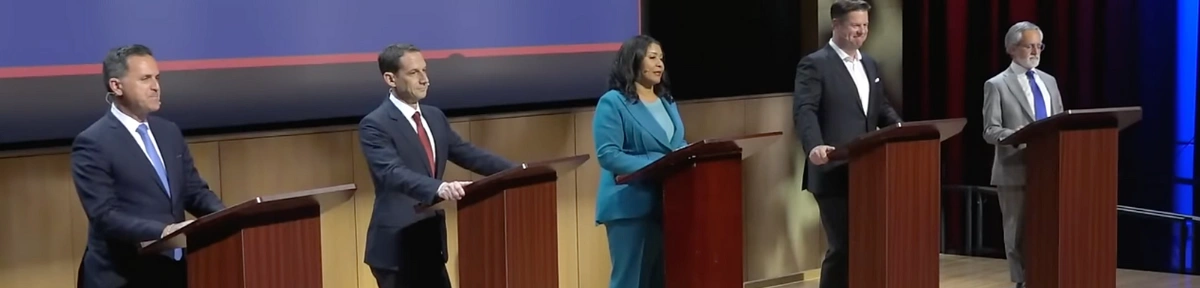
The argument between Trump and Bowser serves as an example of a larger discussion over urban crime in the United States. Trump has portrayed D.C. as a crime-ridden catastrophe, portraying himself as the hero who brought safety back, despite statistics showing a decline in violent crime.
Critics contend that this story is less about policing and more about politics. They claim that while ignoring the advancements made by local leaders and community projects, the president is using worries of crime to support broad federal power grabs.
Residents face a mixed reality. Some argue that the increased security presence has made neighbourhoods feel safer. Others worry about the precedent it sets for federal involvement in municipal matters and are uncomfortable with military monitoring city streets.
What Comes Next for Washington, D.C.?

The future of law enforcement in Washington, D.C., is still up in the air as Trump intensifies his threats. Will the city oppose additional federal intrusion, or will public sentiment and White House pressure force local officials to work more closely with federal authorities?
Mayor Bowser has made it plain that she opposes federal initiatives that target immigrant neighbourhoods or undermine local control, even as she supports collaborations that lower crime. Meanwhile, Trump appears committed to using D.C. as a platform for his larger “law and order” campaign.
SpaceX Starship Test Flight: A Milestone Toward Reusable Space Travel
Conclusion:
The political battle over immigration, crime, and presidential authority has turned Washington, D.C., into a battleground. Trump’s threats to impose yet another national emergency underscore the conflict between local government and federal power, as well as between strict rhetoric and legal restraints.
Crime data for the time being indicates improvement, although it is still debatable whether this improvement was due to Trump’s action or to more general patterns. As the political struggle heats up, D.C. citizens are at the centre of a national confrontation that calls into question not just criminal policy but also the fundamental distribution of power in American democracy.