
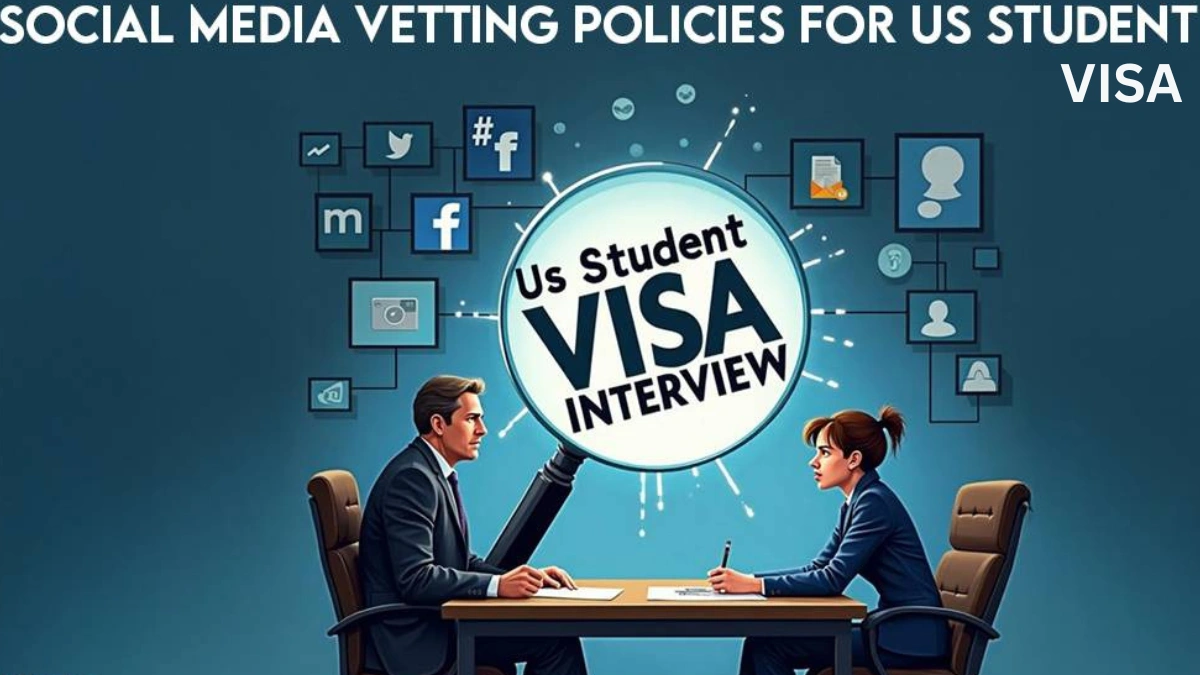
Prospective overseas students have been debating a Reddit post that detailed an interview for an F-1 visa in the U.S. Embassy in New Delhi. The applicant stated that their visa was denied under Section 221(g) of the U.S. Immigration and Nationality Act, pending further social media screening, despite a normal interview and a spotless personal and academic background.
The account has garnered attention due to a growing trend in visa processing where administrative decisions can be influenced by digital footprints and public visibility. Concerns over timeliness, transparency, and what consular officers specifically look for in social media assessments have been highlighted by the case for thousands of students getting ready to study in the United States.
ChatGPT Leads a Crowded AI Chatbot Field as Rivals Gain Ground in 2025
A Routine Interview With an Unexpected Outcome

The Reddit thread claims that the candidate showed up for the F-1 visa interview at the US Embassy in New Delhi on December 3. It was said that the conversation with the consulate official was simple and quick. According to reports, the officer asked normal questions about the applicant’s academic program, university, and funding sources—questions that are frequently used to gauge financial readiness and academic purpose.
The applicant wrote, “The interview itself was normal and short.” “The officer enquired about my program, funding, and university in a typical manner.” Based on the conversation, the candidate thought the interview had gone well and anticipated a favourable result.
Instead, the interview ended with a 221(g) slip being issued. According to reports, the officer told the applicant that social media screening would be necessary for the case and gave them instructions to make their profiles public so that they could be reviewed further.
US Suspends Tech Prosperity Deal With UK Amid Trade Tensions
What Section 221(g) Signifies
Applicants for visas frequently misinterpret Section 221(g). Although it is formally documented as a rejection, it typically signifies that the application is being processed administratively and has not yet been given a final decision.
Background checks, information verification, and security-related evaluations are just a few of the reasons administrative processing can be initiated. After the further evaluation is finished, applicants are frequently eventually granted approval. But confusion and anxiety are frequently brought on by the absence of a clear schedule.
In this case, the applicant thinks that the requirement for improved social media screening was the only justification for the 221(g) ruling.
US Government Launches Tech Force to Recruit 1,000 Engineers for Federal Service
Passport Returned, Online Status Shows ‘Refused (221g)’
The way the applicant’s passport was handled was among the case’s most perplexing elements. According to the Reddit thread, the passport was first kept after the interview—a procedure that frequently denotes acceptance or additional internal processing.
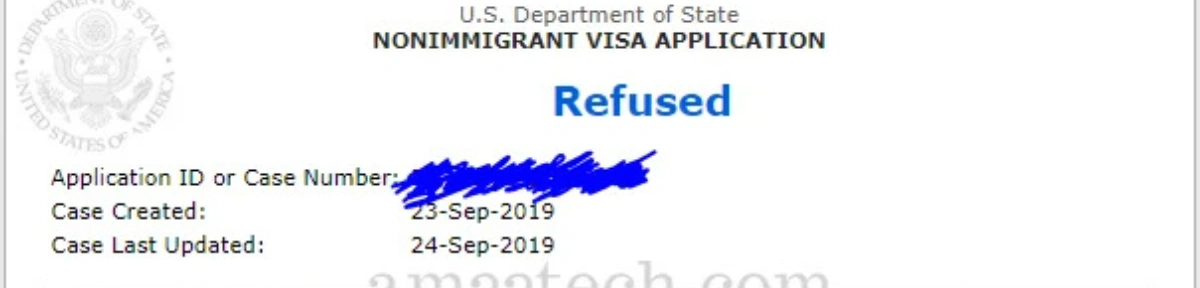
Nevertheless, the 221(g) slip and the passport were subsequently returned. The applicant saw “Refused (221g)” when checking the visa status online. Although this status does not always mean a permanent rejection, it might be alarming for many first-time candidates.
According to reports, the applicant was told on the 221(g) slip to make their social media accounts public on sites like Facebook, Instagram, Reddit, and LinkedIn so that police may study them.
OpenAI Activates “Red Alert” Mode Amid Intensifying AI Competition
Applicant Background Appears Strong
The applicant explained that they are enrolled in a STEM program, which is often seen favourably because of its emphasis on academia and research. They said that they have no criminal history and have never had a U.S. visa denied.
The applicant followed instructions and made all of the mentioned social media accounts public after obtaining the 221(g) slip. Nevertheless, no more instructions about document submission, interviews, or anticipated deadlines were given.
Because administrative procedure might differ greatly based on the type of review, this lack of information has increased the applicant’s confusion.
Trump Unveils the Gold Card Visa Program: A High-Priced Fast Track for Retaining Global Talent
Social Media Screening in Visa Processing
In recent years, social media screening has grown in prominence as part of the U.S. visa application process. As part of the visa application process, applicants are frequently asked to reveal their social media identifiers, which enables authorities to monitor online activity as needed.
Although the precise boundaries of these assessments have not been made public by U.S. officials, social media screening is typically meant to find discrepancies, deception, or possible security issues. Officers may occasionally want more visibility if their accounts are dormant or secret.
In this instance, the specific directive to make accounts public implies that transparency and access were important considerations in the further assessment.
Google Launches “Deep Think” in Gemini 3: A Mode Built for Deliberate Reasoning
Confusion and Anxiety Among Applicants

Many candidates for student visas voiced anxiety about the unpredictable nature of administrative processes after reading the Reddit thread. Commenters questioned whether approvals could be delayed by private social media accounts and whether ordinary situations might come under more scrutiny.
Timelines can vary from a few days to several weeks or longer, according to a number of customers who reported comparable experiences with Section 221(g). Students frequently have uncertainty over travel schedules, accommodation arrangements, and academic start dates due to the lack of clear communication during this time.
Bitcoin Surges Past 92,000 Dollars as Markets Await High-Stakes Federal Reserve Decision
What Happens After a 221(g) Decision
Applicants typically receive an email or message asking them to resubmit their passport for visa stamping after administrative processing is finished. There isn’t a set timeframe, though, and the length of processing varies depending on the particular inspections being carried out.
The applicant is not sure if they should wait for word from the embassy or anticipate more instructions because their passport has already been returned. Applicants undergoing administrative review frequently encounter this uncertainty.
Microsoft and Nvidia Invest Up to $15 Billion in Anthropic: A New Power Shift in the Global AI Race
Seeking Advice From the Community

The applicant concluded the Reddit post by asking people who might have encountered such circumstances for help, especially in situations where Section 221(g) was specifically granted for social media screening.
They enquired about the duration of the procedure, if applicants received any interim correspondence from the embassy, and whether making social media accounts public ultimately resulted in approval. For students negotiating complicated visa procedures, these peer discussions frequently act as an unofficial support system.
Global Markets on Edge: Fed Decision, Central Bank Wave, and China Data Set the Tone for 2026
Broader Implications for F-1 Visa Applicants
The case highlights the importance that digital presence is becoming to immigration procedures. The episode reminds F-1 visa applicants that even with excellent academic and financial credentials, online activity and visibility may be included as part of the overall evaluation.
Administrative processing can cause academic schedule disruptions and stress for students who have already made significant investments in their education plans, even while it does not imply wrongdoing or guarantee rejection.
Rare Interstellar Wanderer 3I/ATLAS Set to Dazzle Sky-Watchers Worldwide
Conclusion: Calls for Greater Transparency
Discussions on Section 221(g) denials and the function of social media screening in U.S. visa processing have been rekindled by the F-1 visa case that was posted on Reddit. The applicant encountered doubt as a result of further administrative scrutiny, even though the interview was regular and their background was clean.
With the increasing prevalence of social media screening, candidates are still looking for more precise instructions regarding expectations, deadlines, and subsequent actions. Similar situations are likely to spark continued discussion and fear among overseas students who intend to study in the United States until more openness is offered.