
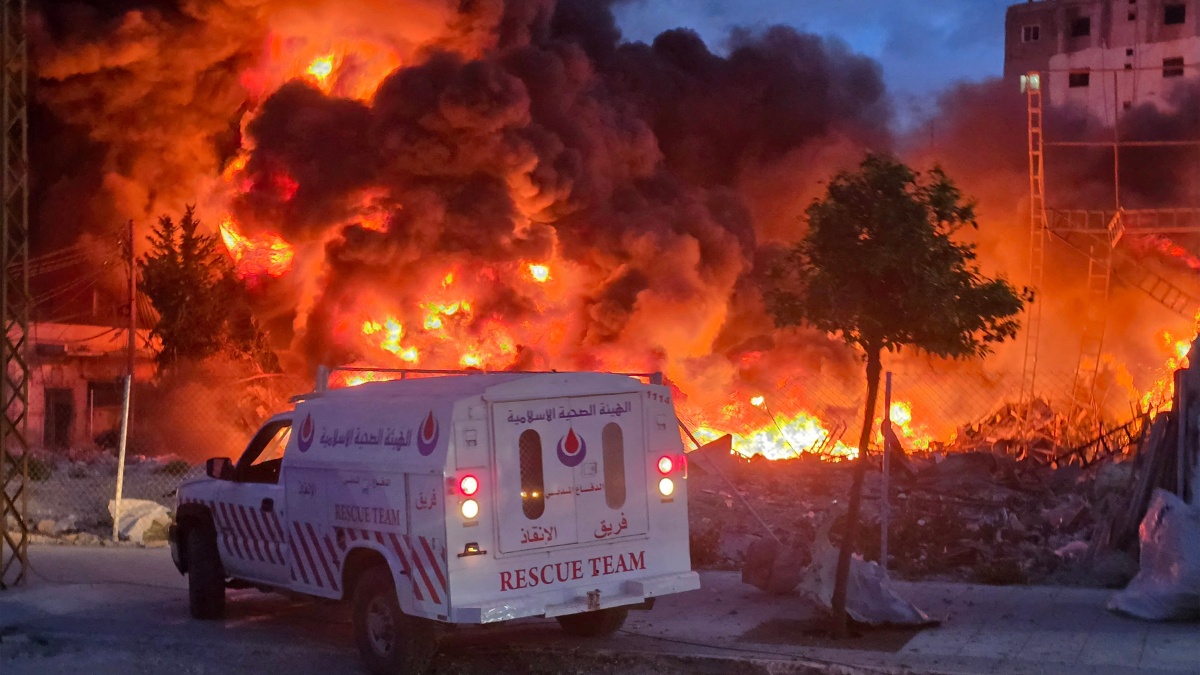
Tensions in the Middle East escalated sharply this week as Israel and Iran exchanged missile strikes while thousands of foreign nationals attempted to leave the region. The situation intensified further when a UK government-chartered evacuation flight, intended to rescue British citizens from the conflict zone, failed to depart from Oman as scheduled. The combination of military escalation and evacuation challenges highlights how rapidly the crisis is expanding beyond the battlefield and affecting civilians across the region.
Escalation Between Israel and Iran
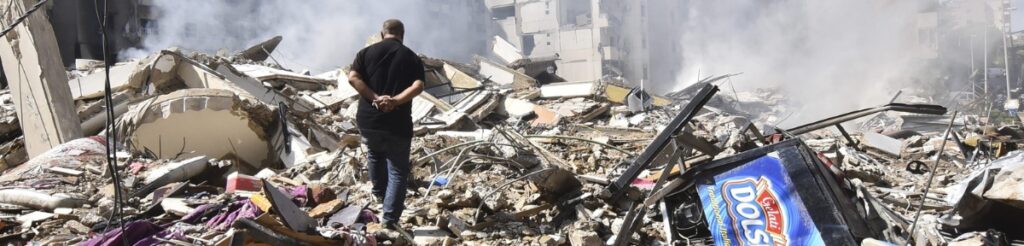
The conflict between Israel and Iran has entered a dangerous phase, with both countries launching missile strikes against each other. Iran reportedly fired a wave of missiles targeting Israeli territory, forcing millions of residents in cities like Tel Aviv and Jerusalem to seek shelter as air raid sirens sounded across the country. Missile trails were visible in the skies as Israeli defense systems attempted to intercept the incoming projectiles.
In response, Israel launched a series of large-scale strikes targeting infrastructure in Tehran and other strategic locations within Iran. Israeli officials stated that these operations were aimed at weakening Iran’s military capabilities and preventing further missile launches. The escalation is part of a broader confrontation involving regional allies and global powers, with the United States expressing strong support for Israel’s military operations.
This exchange of attacks marks one of the most intense direct confrontations between the two nations in recent years. Analysts warn that continued retaliation could draw additional countries into the conflict, increasing the risk of a broader regional war.
Regional Impact and Growing Security Concerns

The missile exchanges have significantly raised security concerns across the Middle East. Several neighboring countries have heightened their military readiness, while airspace restrictions and security alerts have disrupted international travel. Airlines have begun rerouting flights or canceling services to avoid areas where missile launches and air defense activity are occurring.
Air raid sirens and emergency alerts have become increasingly common in Israel, while residents in parts of Iran have experienced airstrikes targeting infrastructure and military facilities. The conflict has also impacted maritime routes and energy infrastructure, raising concerns about global oil supply disruptions.
Military experts suggest that the conflict is not only about immediate retaliation but also about strategic signaling. Israel aims to limit Iran’s ability to threaten its security, while Iran seeks to demonstrate its capability to respond forcefully.
UK Rescue Flight Delayed in Oman

Amid the growing crisis, the UK government organized evacuation efforts to bring British nationals safely out of the region. However, the first government-chartered rescue flight from Muscat, the capital of Oman, failed to take off as planned.
The flight was scheduled to depart late Wednesday night but was delayed due to technical issues at the airport. Officials confirmed that the aircraft would instead depart later once the problem was resolved.
Passengers who had already arrived at the airport faced hours of uncertainty as they waited for updates. Some travelers reported long delays during the boarding process, and eventually the flight was postponed, forcing many passengers to return to hotels and wait for further instructions.
The delay highlights the logistical challenges governments face when attempting to evacuate citizens from a conflict zone. Airspace restrictions, operational limitations, and security concerns can all complicate evacuation operations.
Civilians Caught in the Crisis
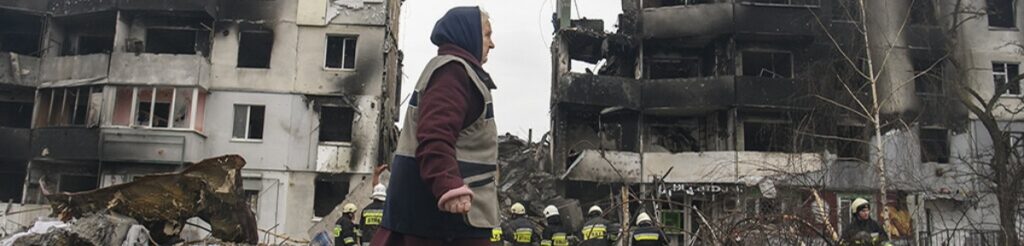
While military operations dominate headlines, civilians are increasingly bearing the burden of the conflict. Residents in affected regions have been forced to seek shelter, while foreign nationals scramble to find safe routes out of the Middle East.
Many international travelers, expatriates, and tourists have been stranded due to canceled flights and closed airspace. Governments from several countries are now working to organize evacuation flights or advising citizens to leave the region through alternative routes where possible.
In Israel, daily life has been disrupted by missile alerts and security restrictions. Schools, businesses, and public services have been affected as authorities focus on protecting civilian populations from potential attacks.
Meanwhile, in Iran, reports of damage to infrastructure and security facilities have raised concerns about further instability within the country.
International Reactions

The escalating conflict has drawn global attention, with several countries urging restraint and calling for diplomatic solutions. Governments across Europe and Asia have issued travel advisories warning citizens against visiting conflict zones in the Middle East.
International organizations have also expressed concern about the humanitarian implications of the conflict. Prolonged military exchanges could lead to displacement, economic disruption, and increased instability in an already volatile region.
The United States has reaffirmed its support for Israel, while also emphasizing the importance of protecting regional stability. Diplomatic channels remain active as world leaders attempt to prevent the conflict from spiraling into a larger war.
Economic and Global Implications

The Israel-Iran confrontation could also have significant economic consequences. The Middle East plays a crucial role in global energy markets, and any disruption to shipping lanes or oil infrastructure could affect international oil prices.
Financial markets often react quickly to geopolitical crises, and the possibility of prolonged instability in the region may lead to increased volatility in global markets. Investors are closely monitoring developments to assess potential impacts on energy supply chains and international trade.
Additionally, airline and tourism industries have already begun experiencing disruptions due to airspace closures and canceled flights. If the conflict continues, the economic ripple effects could extend far beyond the Middle East.
The Challenge of Evacuations
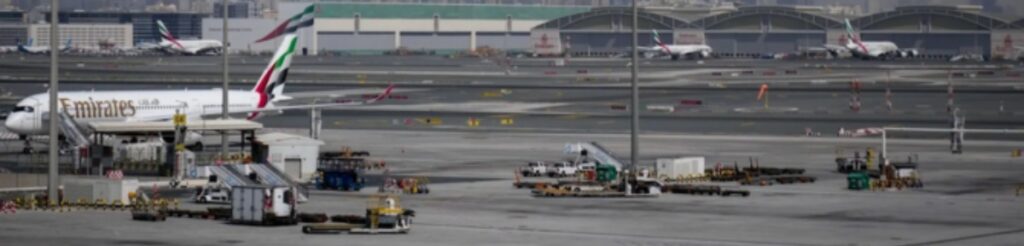
The delayed UK rescue flight from Oman illustrates the complexities of evacuating civilians during an active conflict. Governments must coordinate with airlines, airport authorities, and military agencies while also ensuring passenger safety.
Even minor technical issues can cause major delays when evacuation flights are operating under tight security restrictions. In many cases, evacuation plans must adapt quickly to changing conditions such as airspace closures, missile alerts, or new security threats.
For stranded citizens, these delays can be extremely stressful. Families traveling with children or elderly relatives face particular challenges as they wait for safe transportation out of the region.
What Happens Next?

The coming days will likely be critical in determining whether the conflict continues to escalate or moves toward diplomatic negotiations. Both Israel and Iran have demonstrated their willingness to respond aggressively, raising fears of further missile exchanges and military strikes.
At the same time, international pressure for de-escalation is growing. Diplomatic efforts are underway to prevent the situation from developing into a wider regional conflict involving multiple countries.
Meanwhile, evacuation efforts for foreign nationals will continue as governments attempt to bring their citizens home safely. The success of these operations will depend largely on how the security situation evolves in the coming days.
Conclusion
The exchange of missile strikes between Israel and Iran marks a serious escalation in Middle Eastern tensions. As both nations continue military operations, the impact is being felt far beyond the battlefield. Civilians, travelers, and foreign nationals are facing uncertainty as governments work to evacuate citizens and manage the growing crisis.
The delayed UK rescue flight from Oman underscores how complex and unpredictable such situations can be. With regional stability at risk and global attention focused on the conflict, the world now watches closely to see whether diplomacy can prevent further escalation.
For now, the Middle East remains on edge, with the possibility of further military actions and humanitarian challenges looming in the days ahead.