
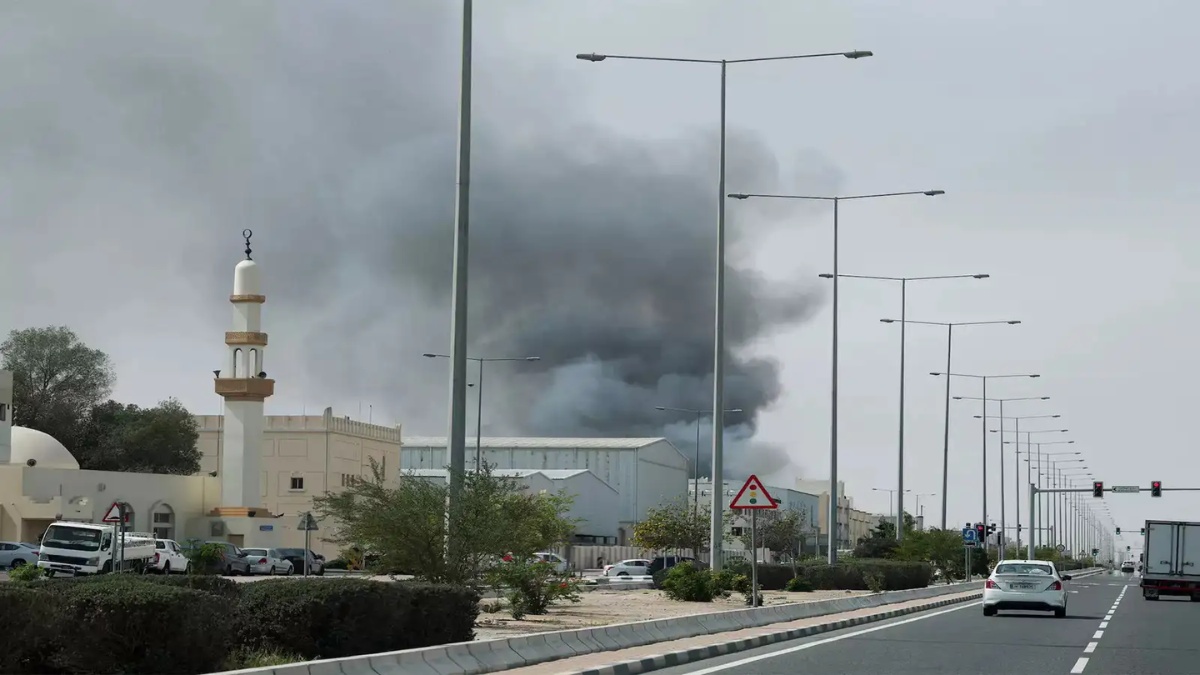
The Middle East is once again at the center of global attention after Qatar reportedly issued a 24-hour deadline in response to an Iranian attack. This development has raised serious concerns about regional stability, diplomatic relations, and the potential for further escalation.
As tensions grow, the situation highlights the fragile balance of power in the Gulf region and the far-reaching consequences of military actions in an already volatile geopolitical landscape.
What Happened?

Recent reports suggest that Iran launched an attack targeting key interests linked to Qatar or its allies in the region. While details are still emerging, the incident has been described as a significant escalation, prompting a swift and firm response from Qatar.
In reaction, Qatar has reportedly issued a 24-hour ultimatum, demanding clarification, de-escalation, or corrective measures. Such a move is rare and signals the seriousness with which Qatar views the situation.
Although official confirmations may vary, the narrative has already triggered global discussions around security, diplomacy, and potential retaliation.
Why Qatar’s Response Matters
Qatar is not just a small Gulf nation—it plays a strategic role in global politics, energy markets, and regional diplomacy.
Key Reasons Qatar’s Reaction Is Significant:
1. Strategic Location
Qatar is situated in the Persian Gulf, making it a key player in maritime security and regional trade routes.
2. Energy Powerhouse
As one of the world’s leading exporters of liquefied natural gas (LNG), Qatar’s stability is directly tied to global energy supply.
3. Diplomatic Influence
Qatar has often acted as a mediator in international conflicts, maintaining relations with both Western powers and regional actors, including Iran.
This balanced diplomatic stance makes the current escalation particularly concerning.
Iran’s Role and Possible Intentions

Iran has long been a central figure in Middle Eastern geopolitics. Its actions are often influenced by a mix of strategic, political, and security considerations.
Possible Reasons Behind the Attack:
- Demonstrating military strength
- Responding to perceived threats or provocations
- Sending a message to regional rivals or global powers
Iran’s military strategy frequently involves calculated moves designed to assert influence without triggering full-scale war. However, such actions carry the risk of unintended escalation.
The 24-Hour Deadline: What Does It Mean?
expectation for immediate response.
Potential Demands Could Include:
- Official explanation from Iran
- Assurance against future attacks
- Diplomatic engagement or negotiations
- De-escalation of military activities
If these demands are not met within the specified timeframe, Qatar may consider further steps, including diplomatic actions or coordination with allies.
Regional Implications

The Gulf region is highly interconnected, meaning any conflict between two nations can quickly involve others.
1. Risk of Wider Conflict
An escalation between Qatar and Iran could draw in neighboring countries, increasing the risk of a broader regional conflict.
2. Impact on GCC Relations
The Gulf Cooperation Council (GCC) countries may need to take a unified stance, potentially reshaping alliances.
3. Military Preparedness
Neighboring nations may increase their military readiness in response to rising tensions.
Global Impact

The situation is not limited to the Middle East—it has global consequences.
1. Energy Markets
Any disruption in the Gulf region can impact oil and gas supplies, leading to price volatility worldwide.
2. International Trade
Key shipping routes could be affected, disrupting global trade.
3. Diplomatic Reactions
Major powers like the United States, China, and European nations may intervene diplomatically to prevent escalation.
Role of the United States

The United States has a significant military presence in the Gulf region and maintains close ties with Qatar.
Key Considerations:
- Protection of military bases in Qatar
- Ensuring regional stability
- Preventing escalation into a larger conflict
The U.S. may play a crucial role in mediating between Qatar and Iran or supporting Qatar diplomatically.
Possible Scenarios

As the 24-hour deadline approaches, several outcomes are possible:
Scenario 1: De-escalation
Iran responds positively, leading to diplomatic talks and reduced tensions.
Scenario 2: Diplomatic Standoff
No immediate resolution, but both sides avoid further escalation.
Scenario 3: Escalation
Failure to respond leads to stronger actions by Qatar or its allies.
Scenario 4: International Mediation
Global powers step in to facilitate dialogue and prevent conflict.
Historical Context
The Gulf region has witnessed several tensions involving Iran in the past. From maritime disputes to proxy conflicts, the pattern often involves:
- Initial escalation
- Diplomatic pressure
- Gradual de-escalation
However, each new incident carries unique risks, especially in today’s interconnected world.
Importance of Diplomacy

In situations like these, diplomacy remains the most effective tool for conflict resolution.
Why Diplomacy Matters:
- Prevents loss of life
- Protects economic stability
- Maintains international relations
Qatar’s history as a mediator may play a role in shaping its approach moving forward.
Public and Market Reactions

Global markets and public sentiment often react quickly to geopolitical developments.
- Investors may turn cautious
- Oil and gas prices may fluctuate
- Media coverage can influence public perception
The coming hours and days will be crucial in determining the broader impact.
Conclusion
Qatar’s reported 24-hour deadline following an Iranian attack marks a critical moment in Middle Eastern geopolitics. It reflects rising tensions, strategic calculations, and the delicate balance between conflict and diplomacy.
While the situation remains fluid, one thing is clear: the decisions made in the coming hours will have significant implications not just for the Gulf region, but for the entire world.
As global attention remains fixed on this developing story, the hope is that diplomacy prevails over conflict, ensuring stability in a region that plays a vital role in global security and economic systems.