
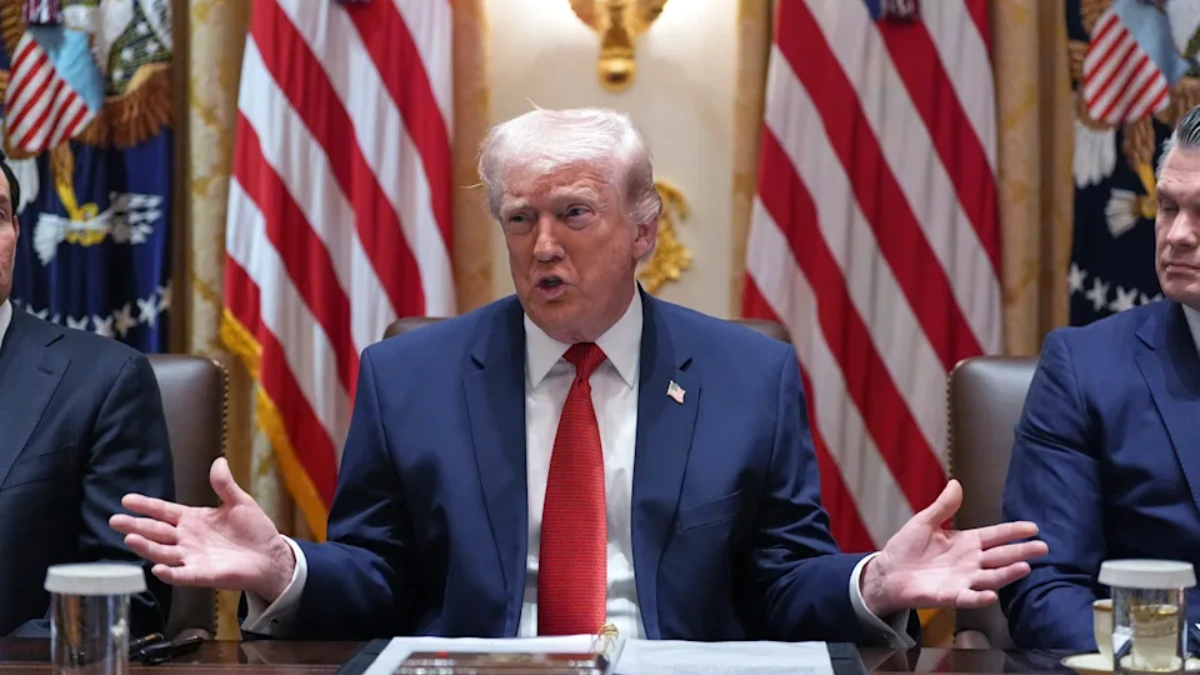
In a dramatic escalation of rhetoric during the ongoing Middle East crisis, Donald Trump sparked global controversy after suggesting renaming the Strait of Hormuz — one of the world’s most important oil routes — while simultaneously demanding immediate action from Iran. The remarks, made during rising tensions between Washington and Tehran, have intensified geopolitical uncertainty and raised fresh concerns about global energy markets.
Trump’s comments come at a time when the Strait of Hormuz remains a critical flashpoint in the conflict, with Iran tightening control and the United States pushing for reopening the vital shipping lane.
The Controversial Renaming Proposal

Reports indicate that Trump floated the idea of renaming the Strait of Hormuz to either “Strait of America” or even “Strait of Trump”, arguing that the United States would deserve naming rights if it successfully secured the waterway. The suggestion quickly sparked reactions worldwide, with critics calling it provocative and unnecessary during an active conflict.
The proposal reportedly surfaced amid frustrations within the Trump administration over the difficulty of reopening the shipping route and gaining international support. Trump has also reportedly increased military pressure on Iran while pushing allies to join a coalition to secure the strait.
Although some officials described the renaming idea as symbolic or informal, Trump insisted that his comments were deliberate and not a slip of the tongue — further fueling debate across diplomatic circles.
Why the Strait of Hormuz Matters
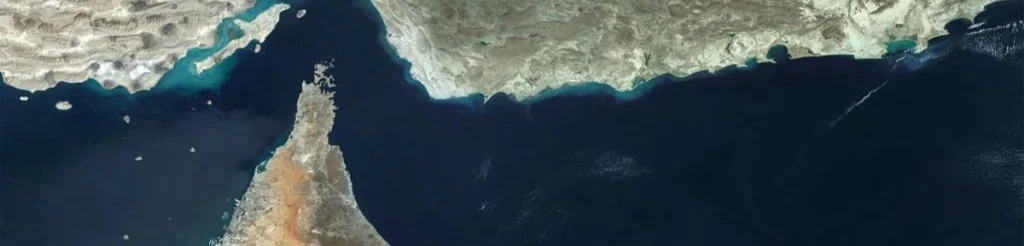
The Strait of Hormuz is one of the most strategically important waterways in the world. Located between Iran and Oman, it connects the Persian Gulf to the Arabian Sea and handles approximately 20% of global oil shipments.
Any disruption to this narrow passage can send shockwaves through global markets. Since tensions escalated, shipping traffic has dropped significantly, with many oil tankers avoiding the region due to security risks.
The crisis began after military strikes and retaliatory actions between the United States, Israel, and Iran led to a sharp increase in maritime threats. Iran subsequently warned vessels and effectively restricted movement through the strait, causing oil prices to surge.
Trump’s Demand for Immediate Action

Alongside the renaming controversy, Trump also issued strong demands toward Iran. He called for the immediate reopening of the Strait of Hormuz and warned of potential military consequences if Iran failed to comply.
Trump has also urged global allies — including Europe and Asian economies — to help secure the waterway. However, responses from allies have remained cautious, with few countries committing to direct involvement.
The administration also considered deploying additional naval forces to escort oil tankers and ensure safe passage, highlighting the seriousness of the situation.
Iran’s Response

Iran has rejected U.S. pressure and maintained that it retains control over the strait. Iranian officials argue that the restrictions are a response to military actions taken against the country.
Iran has also warned that any attempt to forcibly reopen the strait could escalate the conflict further. The Islamic Revolutionary Guard Corps has previously claimed complete control over the waterway and vowed to respond to threats.
Despite occasional signs of limited movement, shipping activity remains far below normal levels, with many vessels choosing to stay anchored outside the Gulf.
Global Reactions to Trump’s Comments
Trump’s renaming suggestion quickly triggered mixed reactions:
Supporters
Some supporters argued that the idea reflects U.S. leadership and determination to secure global energy supply routes.
Critics
Critics described the proposal as provocative and potentially harmful to diplomatic negotiations. Some experts warned that symbolic moves could escalate tensions unnecessarily.
International Reaction
International observers expressed concern that such statements could complicate ongoing negotiations and increase uncertainty in global markets.
Impact on Oil Markets
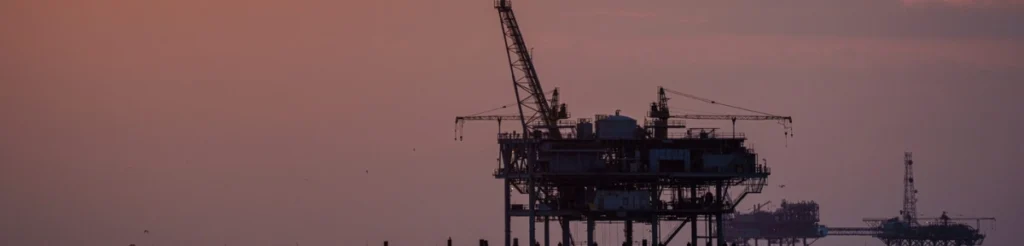
Markets reacted cautiously to the latest developments. Oil prices have remained volatile, with traders closely monitoring any change in the Strait of Hormuz situation.
Analysts warn that prolonged instability could lead to:
- Rising fuel prices
- Global inflation
- Supply chain disruptions
- Market volatility
Since the Strait carries a large portion of global oil exports, any disruption has immediate worldwide consequences.
Military Challenges in Reopening the Strait
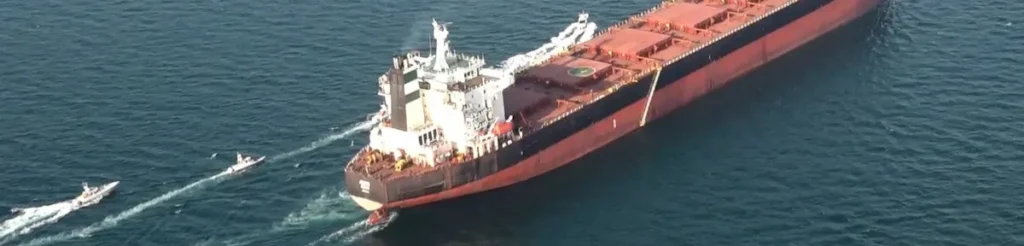
Even if diplomatic breakthroughs occur, reopening the Strait of Hormuz may take time. Experts warn that mines, drones, and other threats could make navigation dangerous.
Clearing mines alone could take months, according to defense analysts, highlighting the complexity of restoring normal shipping operations.
This means that even if tensions ease, global markets may continue to experience uncertainty.
Broader Strategic Implications

Trump’s remarks highlight a broader strategic struggle between the United States and Iran. Control over the Strait of Hormuz represents not just economic leverage but also geopolitical influence.
If the United States successfully secures the strait, it could weaken Iran’s bargaining power. However, any escalation also risks drawing additional countries into the conflict.
Possible Scenarios Going Forward

Several possible outcomes could emerge:
- Diplomatic agreement leading to reopening
- Continued limited shipping with restrictions
- Military escalation
- International coalition intervention
Each scenario carries significant global implications.
Conclusion
Trump’s controversial suggestion to rename the Strait of Hormuz — combined with demands for Iran to take immediate action — underscores the growing tensions in one of the world’s most critical regions.
While the renaming proposal may remain symbolic, the broader conflict surrounding the Strait of Hormuz is very real and continues to shape global politics, energy markets, and international relations.
As tensions evolve, the world will closely watch whether diplomacy prevails or whether the crisis deepens further. One thing remains clear: the Strait of Hormuz will remain at the center of global attention in the weeks ahead.