
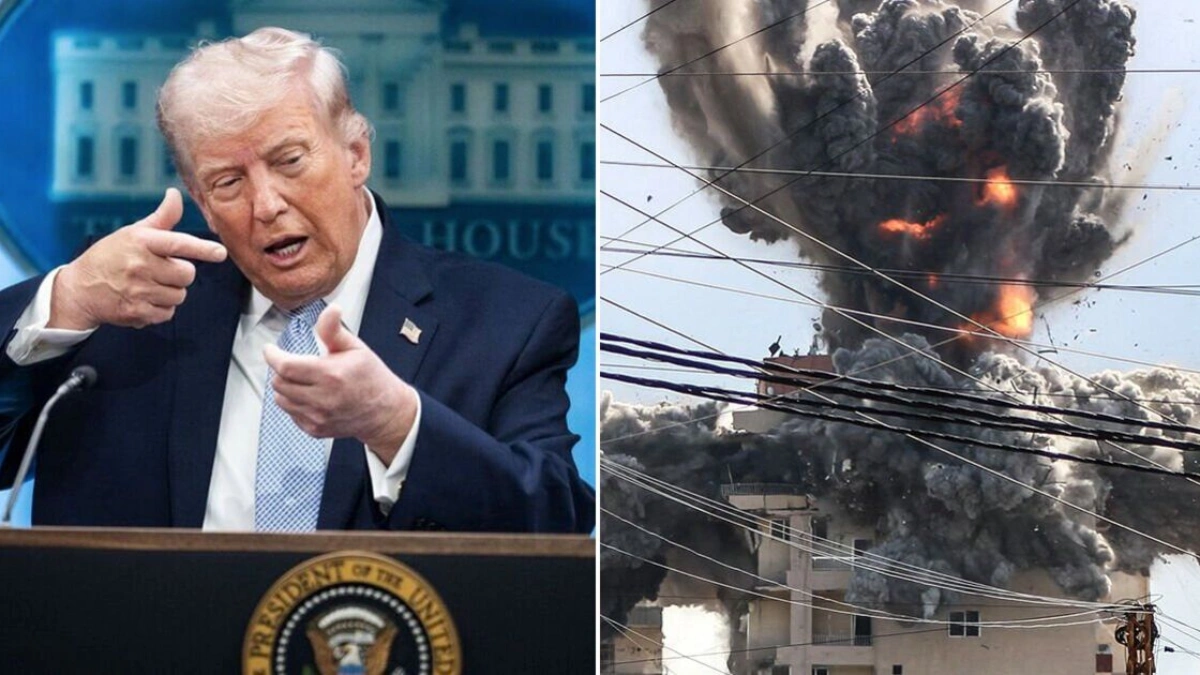
A fragile ceasefire between Iran and the United States is already under intense scrutiny after reports emerged that Iran struck multiple targets across the region on the same night Donald Trump announced a temporary truce. The revelation of a “chilling list” of 24 targets has raised serious concerns about whether the ceasefire can truly hold and whether the region is heading toward further escalation.
The development came just hours after Trump declared a two-week ceasefire aimed at halting weeks of military confrontation and reopening the strategically vital Strait of Hormuz. The agreement, reportedly brokered with diplomatic mediation, was meant to reduce tensions and prevent a wider regional conflict. However, continued strikes and military activity have cast doubt on the effectiveness of the deal.
Ceasefire Announcement Sparks Hope
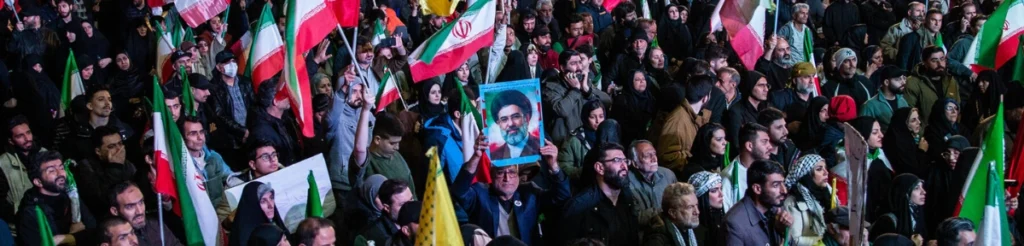
The ceasefire announcement marked a dramatic shift in tone after weeks of escalating threats. Trump had previously warned of devastating attacks against Iranian infrastructure if Tehran failed to agree to certain conditions. But just hours before the deadline, the U.S. president announced a pause in hostilities for two weeks.
The agreement reportedly included:
- Suspension of U.S. and allied strikes
- Iran reducing military operations
- Diplomatic talks to begin within two weeks
- Efforts to stabilize regional tensions
- Discussions around reopening the Strait of Hormuz
The sudden ceasefire led to immediate reactions across global markets, with oil prices dropping and stocks rallying amid hopes of reduced geopolitical risk. However, optimism quickly faded as reports of fresh strikes emerged.
Iran’s “Chilling List” of 24 Targets

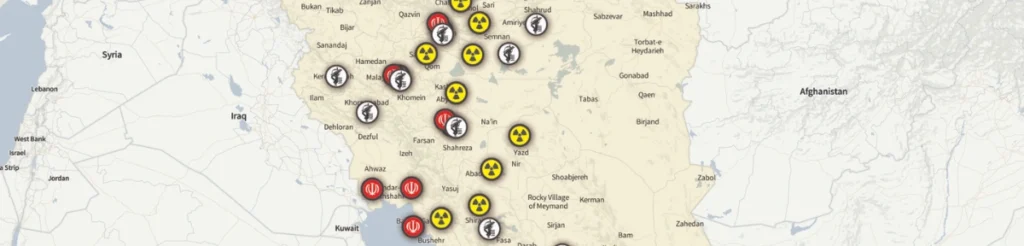
According to emerging reports, Iran released details of 24 locations it claimed were struck during the night the ceasefire was secured. The list reportedly included:
- Military bases
- Strategic infrastructure
- Intelligence facilities
- Air defense positions
- Naval installations
- Regional allied targets
The strikes were reportedly aimed at demonstrating Iran’s continued military capability and sending a strong message that it would not accept pressure or perceived violations of the ceasefire.
While full verification of each target remains ongoing, analysts say the list reflects Iran’s strategy of maintaining leverage during negotiations.
Fragile Ceasefire Already Under Threat

The ceasefire was already considered fragile by experts. Even before reports of the 24 targets emerged, analysts warned that ongoing military actions and disagreements over terms could derail the agreement.
Iran accused the U.S. and its allies of violating the ceasefire through continued regional operations. Meanwhile, U.S. officials argued that certain military actions fell outside the scope of the agreement.
This disagreement over terms has made the ceasefire increasingly unstable.
Regional Tensions Continue

The broader Middle East region remains on edge. The conflict has already involved multiple countries, including:
- Israel
- Saudi Arabia
- United Arab Emirates
- Iraq
Any further escalation could draw these nations deeper into the conflict.
Military analysts warn that even limited strikes could trigger retaliatory actions, potentially leading to a wider confrontation.
Why Iran Released the Target List
Experts believe Iran released the list for several reasons:
1. Show Military Strength
Iran wanted to demonstrate that it remains capable despite ongoing pressure and strikes.
2. Gain Negotiation Leverage
By highlighting its capabilities, Iran may seek stronger terms in upcoming negotiations.
3. Send Strategic Message
The strikes signal that Iran will respond quickly to perceived threats.
4. Maintain Domestic Support
Publicizing military actions can also strengthen internal political support
Global Reaction

The international community responded cautiously to the developments. Several countries welcomed the ceasefire but warned that continued strikes could undermine peace efforts.
Global leaders emphasized the importance of:
- Maintaining diplomacy
- Avoiding escalation
- Protecting civilian lives
- Ensuring regional stability
The United Nations also called for restraint and urged all parties to respect the ceasefire.
Market Impact

The ceasefire initially triggered:
- Oil price decline
- Stock market gains
- Reduced volatility
However, reports of strikes quickly reversed some of those gains. Markets remain highly sensitive to developments in the region, especially those affecting energy supply routes.
The Strait of Hormuz remains a major concern, as disruptions there could affect global oil supply.
Military Implications

The strikes raise several military concerns:
- Continued operational readiness
- Risk of accidental escalation
- Miscommunication between forces
- Increased regional deployments
Military analysts warn that even small incidents during ceasefires can spiral into larger conflicts
Diplomatic Talks Ahead

Despite tensions, diplomatic talks are expected to continue. Negotiations are likely to focus on:
- Long-term ceasefire terms
- Military de-escalation
- Regional security guarantees
- Economic considerations
However, trust between both sides remains limited.
Conclusion
The release of Iran’s list of 24 targets has added uncertainty to an already fragile ceasefire. While the agreement initially offered hope for de-escalation, continued military activity underscores the complexity of the conflict.
With diplomatic talks ahead and tensions still high, the coming days will be critical. Whether the ceasefire holds or collapses may determine the future of regional stability — and potentially impact global markets and energy supplies.
For now, the world watches closely as diplomacy and military strategy collide in one of the most volatile regions on earth.