
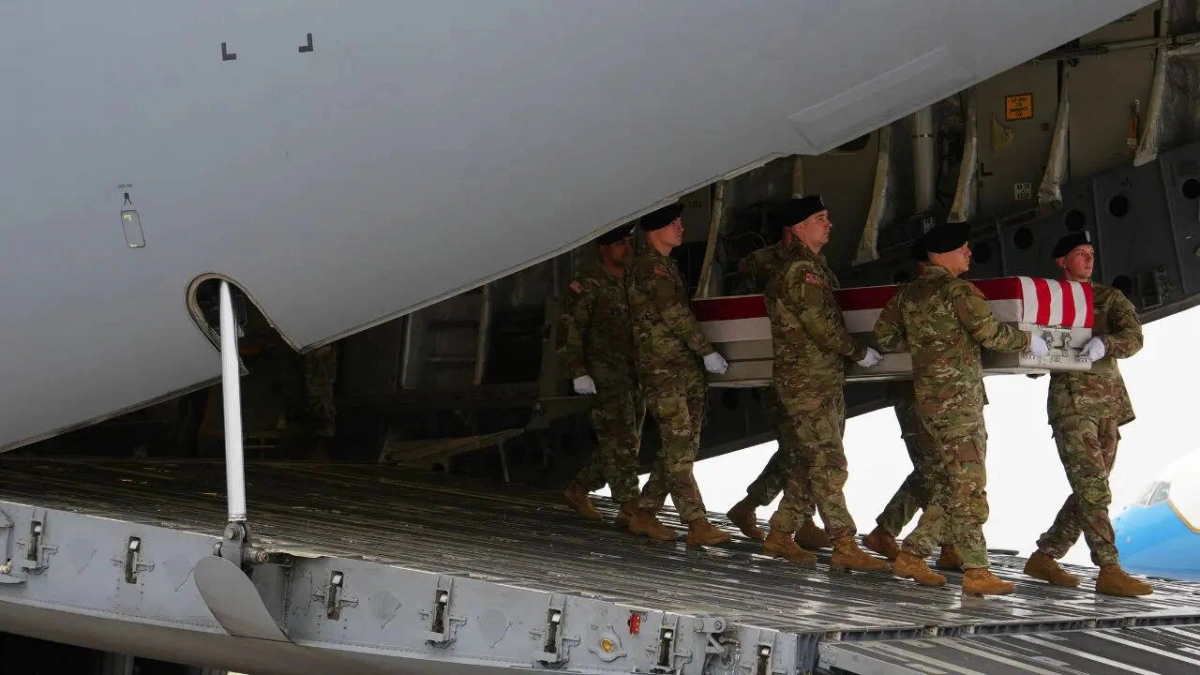
Tensions between U.S. troops and Pentagon leadership have intensified following a deadly Iranian drone attack in Kuwait that left six American service members dead and more than 20 wounded. Survivors of the strike have now publicly challenged the Pentagon’s version of events, claiming they were left exposed and unprepared when the drone struck their position.
The incident, which took place at Port Shuaiba in Kuwait, has become one of the most controversial moments in the ongoing U.S.–Iran conflict, raising questions about military preparedness, intelligence failures, and the safety of deployed troops.
The Deadly Drone Attack
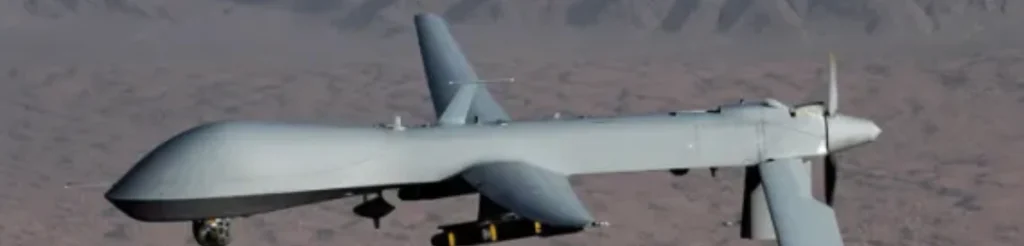
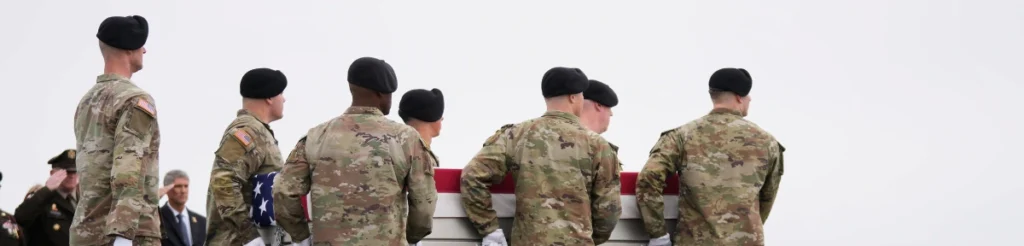
On March 1, 2026, an Iranian one-way attack drone struck a U.S. tactical operations center near Port Shuaiba in Kuwait. The attack killed six American soldiers and injured more than 30 others, making it the deadliest strike on U.S. forces since the conflict began. The facility targeted was described as a makeshift operations center where logistical units had been relocated from a larger base.
According to reports, the drone flew at low altitude and evaded air defense systems before hitting the operations trailer directly. The blast destroyed much of the structure and left the surrounding area heavily damaged. Warning sirens reportedly did not activate before the strike, leaving troops little time to react.
The attack shocked military officials and quickly became a flashpoint in the broader conflict between the United States and Iran.
Survivors Dispute Pentagon’s Version

Survivors of the attack have now challenged the Pentagon’s account, saying the site was not fortified and that troops were left vulnerable. Some soldiers described the location as unprepared for an attack and lacking basic defensive measures.
One survivor stated that the claim that a single drone “slipped through” defenses was misleading, arguing that there were minimal protective systems in place. Troops also reported confusion and chaos immediately after the strike, with soldiers improvising medical care and transporting injured personnel themselves.
According to those present, the unit had limited drone defense capability and inadequate fortifications. Survivors said they had to rely on civilian vehicles to evacuate wounded soldiers, further highlighting what they described as poor preparedness.
These claims have sparked debate about whether leadership underestimated the threat posed by Iranian drone capabilities.
Pentagon’s Official Response
Pentagon officials initially described the strike as an isolated breach of defensive systems, stating that a single drone penetrated defenses at a fortified position. However, this explanation has been widely questioned by troops and analysts.
The Defense Department has not released full details of the incident, citing an ongoing investigation. Officials have emphasized that the situation is still under review and that conclusions will be made once all evidence is examined.
Despite this, the gap between the Pentagon’s explanation and soldiers’ accounts has fueled criticism and raised concerns about communication within the military.
Intelligence and Security Concerns

The attack has also raised questions about intelligence failures. Reports suggest Iranian forces may have tracked U.S. troop movements prior to the strike. An internal memo indicated that Iranian intelligence may have monitored personnel relocation to smaller installations before the attack.
If confirmed, this would represent a significant intelligence breach and highlight vulnerabilities in operational security.
Additionally, the facility’s makeshift nature has led experts to question why troops were positioned in a location with limited protection.
Broader Regional Escalation
The drone strike was part of a broader wave of Iranian attacks across the Middle East. Iran later claimed additional drone strikes targeting U.S. assets in Kuwait and the United Arab Emirates, including radar systems and command centers.
Iran also targeted infrastructure in Kuwait, including oil facilities, causing fires and damage in what analysts described as a significant escalation.
These developments demonstrate how the conflict has expanded beyond traditional military targets and into economic and strategic infrastructure.
Troops Describe Chaotic Aftermath
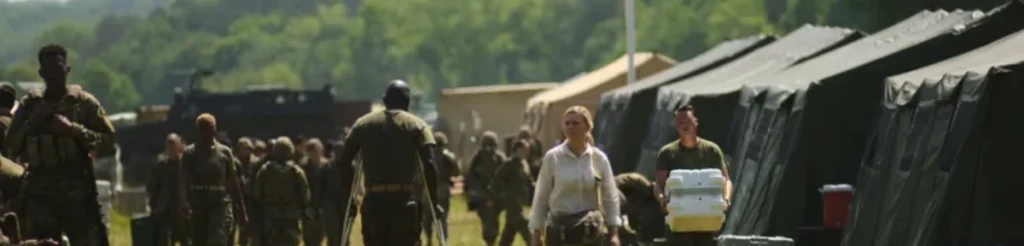
Survivors described a chaotic scene after the drone hit. Soldiers reportedly used improvised methods to treat the injured while waiting for medical evacuation. Some troops suffered burns, shrapnel wounds, and head injuries.
Without immediate support, soldiers had to organize triage operations themselves. Civilian vehicles were reportedly used to transport wounded personnel, underscoring the lack of immediate emergency response capability.
These accounts have intensified criticism of planning and preparedness.
Political and Military Fallout
The controversy has sparked debate in Washington about military leadership and operational planning. Lawmakers are expected to request further briefings and demand transparency regarding troop safety.
Military experts say the disagreement between troops and Pentagon officials is unusual and highlights deeper concerns about preparedness in high-risk zones.
The incident also raises broader questions:
- Were troops adequately protected?
- Was intelligence properly shared?
- Did leadership underestimate Iranian capabilities?
- Could the attack have been prevented?
These questions are now central to ongoing investigations.
Impact on US-Iran Tensions

The attack has further strained relations between the United States and Iran. It also underscores the growing role of drone warfare in modern conflicts.
Iran’s increasing use of drones has proven effective in targeting strategic sites while minimizing exposure. The success of the Kuwait strike may encourage further use of similar tactics.
Meanwhile, U.S. forces are likely to review defensive measures across the region.
What Happens Next?

The Pentagon has launched an investigation into the attack. Military officials are expected to:
- Review troop deployments
- Strengthen drone defenses
- Improve intelligence coordination
- Assess operational vulnerabilities
The findings could influence future military planning in the Middle East.
Conclusion
The deadly Iranian drone attack in Kuwait has sparked a rare public dispute between U.S. troops and Pentagon leadership. Survivors claim they were left exposed, while officials maintain that defenses were in place.
As investigations continue, the incident highlights the growing risks facing troops in modern conflicts and the increasing role of drone warfare. The outcome of the inquiry may shape U.S. military strategy moving forward.
For now, the controversy serves as a stark reminder of how quickly conflict can escalate — and how critical preparation is when lives are on the line.