
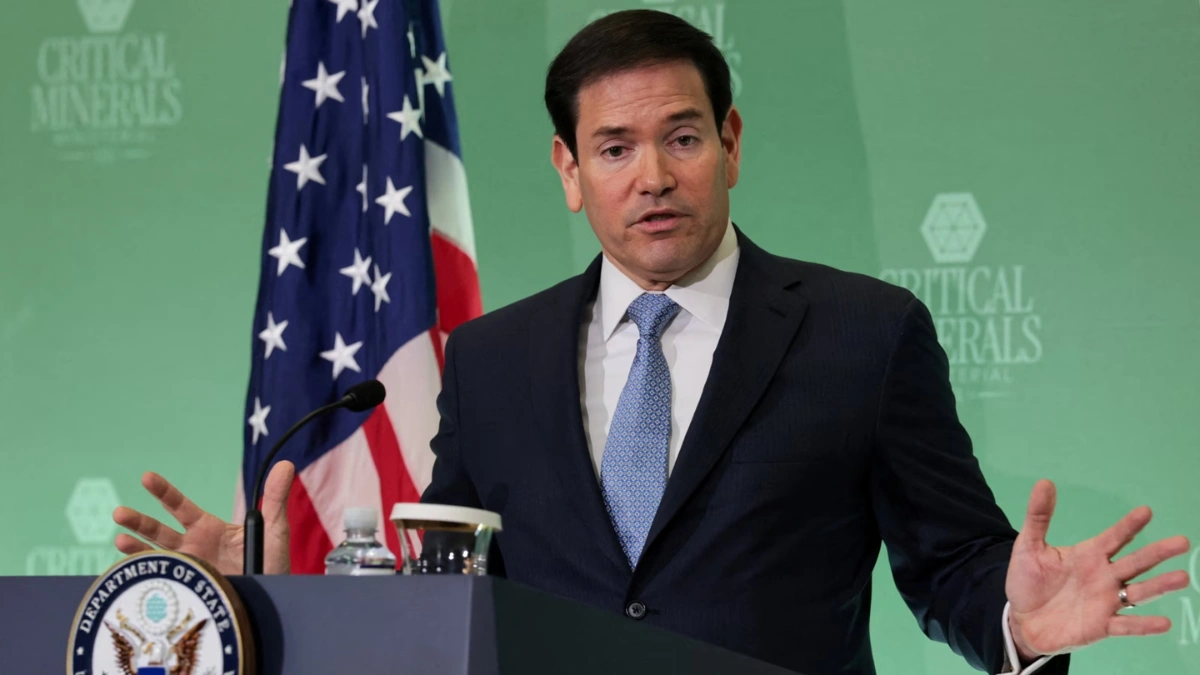
In a dramatic shift that has captured global attention, Cuba’s government appears to be facing one of its most challenging moments in decades. Mounting economic pressure, growing public dissatisfaction, and increased international isolation have pushed the island nation toward significant change. Many analysts argue that policies shaped by Donald Trump and continued pressure advocated by Marco Rubio have played a key role in shaping this moment.
While the phrase “government surrenders” may be dramatic, there is no doubt that Cuba is facing extraordinary pressure that could reshape its political and economic future.
The Economic Crisis Reaches Breaking Point

For years, Cuba has struggled with economic stagnation, but the situation has worsened dramatically in recent times. Shortages of basic goods, rising inflation, and widespread power outages have fueled public frustration across the country.
Residents in major cities including Havana have reported:
- Food shortages
- Fuel scarcity
- Frequent blackouts
- Limited medical supplies
- Rising cost of living
These challenges have created one of the most difficult economic environments Cuba has experienced since the collapse of the Soviet Union in 1991.
The Cuban government has attempted reforms, but progress has been slow. At the same time, the country’s tourism sector — a major source of income — has struggled to fully recover.
Trump’s Policy Shift Toward Cuba
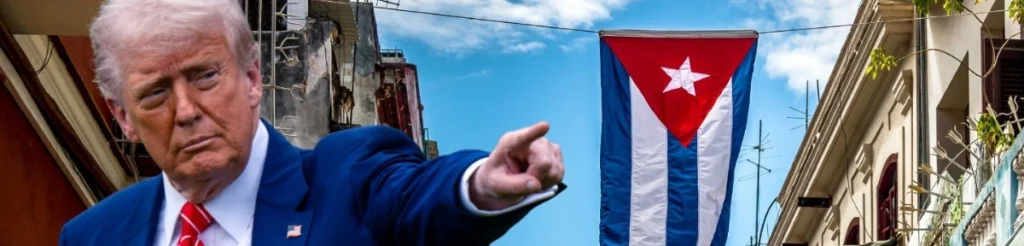
During his presidency, Donald Trump reversed several policies introduced by Barack Obama aimed at normalizing relations with Cuba.
Trump’s administration:
- Tightened economic sanctions
- Restricted travel from the United States
- Limited remittances
- Added Cuba to the terrorism watch list
These moves significantly reduced Cuba’s access to foreign currency and investment. As a result, Cuba’s economy faced increased pressure.
Supporters of Trump’s policy argued that stronger sanctions would push the Cuban government toward democratic reforms. Critics, however, said the policies worsened conditions for ordinary citizens.
Regardless of perspective, there is broad agreement that the policy shift changed Cuba’s economic trajectory.
Marco Rubio’s Influence
Marco Rubio has long been one of the most vocal critics of Cuba’s government. As a Cuban-American politician, Rubio has consistently advocated for tough policies toward Havana.
Rubio pushed for:
- Stronger sanctions
- Diplomatic pressure
- Human rights accountability
- Support for Cuban protesters
He also supported maintaining Cuba on the U.S. terrorism list and limiting financial flows to the island.
Rubio has argued that sustained pressure is necessary to encourage political reform and greater freedoms for Cuban citizens.
Protests and Public Frustration
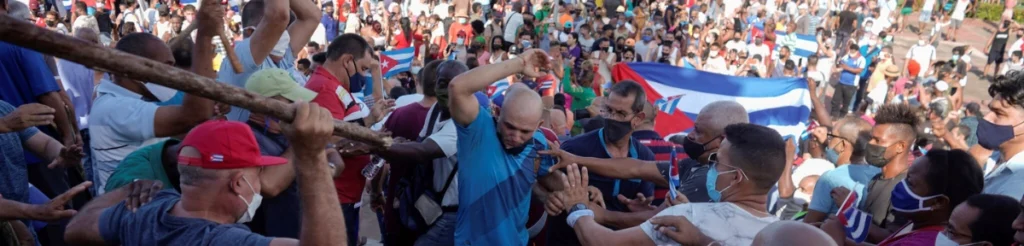
Public protests in Cuba have increased in recent years, reflecting rising dissatisfaction. Demonstrations in cities across the country have focused on:
- Economic hardship
- Power outages
- Food shortages
- Lack of freedoms
In response, Cuban authorities have attempted to control demonstrations while also introducing limited reforms.
However, the protests signaled a shift — public frustration was becoming more visible than ever before.
Migration Crisis Adds Pressure

Another major sign of crisis has been the increase in Cuban migration. Thousands of Cubans have attempted to leave the country in search of better opportunities.
Many migrants have traveled through Central America and Mexico to reach the United States.
This migration wave reflects:
- Economic instability
- Limited opportunities
- Growing dissatisfaction
The migration surge has also added pressure on Cuban leadership to address domestic concerns.
International Isolation
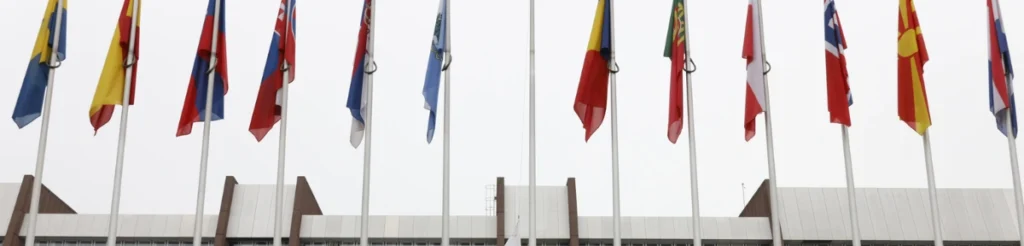
Cuba’s international relationships have also changed in recent years. While the country maintains ties with partners such as Venezuela and Russia, economic challenges in those nations have limited their ability to support Cuba.
Meanwhile, strained relations with the United States have limited Cuba’s access to international markets and investment.
This isolation has further intensified Cuba’s economic difficulties.
Is Cuba’s Government “Surrendering”?
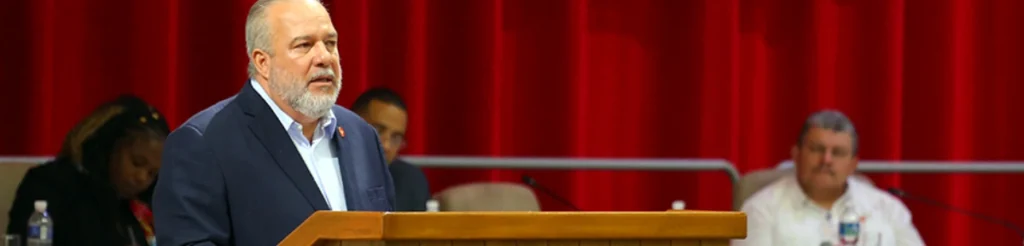
The phrase “government surrender” reflects growing speculation that Cuba may be forced to adopt significant reforms.
Possible changes include:
- Economic liberalization
- Private sector expansion
- Foreign investment opportunities
- Policy reforms
Cuba has already begun introducing limited reforms, including allowing more private businesses and easing some economic restrictions.
While these steps are modest, they suggest the government recognizes the need for change.
Global Implications

Changes in Cuba could affect:
- U.S.-Cuba relations
- Migration trends
- Caribbean stability
- Economic opportunities
Investors and policymakers are watching closely for signs of change.
Conclusion
Cuba is facing a critical moment in its history. Economic hardship, public frustration, and international pressure are pushing the country toward potential change.
Policies introduced during the administration of Donald Trump and pressure advocated by Marco Rubio are widely seen as factors shaping the current situation.
Whether this moment leads to reform, tension, or transformation remains uncertain. But one thing is clear — Cuba stands at a crossroads, and the decisions made now could shape the country’s future for years to come.