
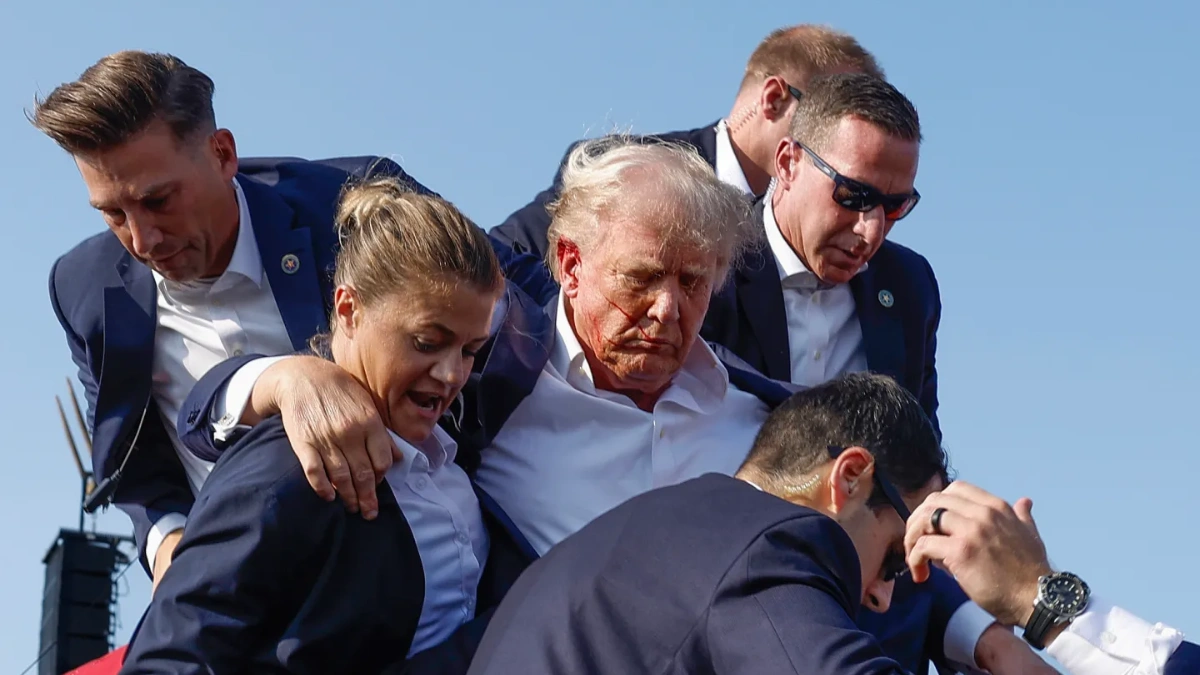
A shocking assassination threat targeting Donald Trump has raised serious concerns about political violence, national security, and the safety of public officials in the United States. Authorities revealed that a man allegedly guaranteed he would kill the president on the lawn of the White House, sparking an intense investigation and heightened security measures.
The alarming case has sent shockwaves through political circles and law enforcement agencies, highlighting growing concerns about threats against political leaders in an increasingly polarized environment.
The Alleged Plot

According to law enforcement sources, the suspect reportedly made explicit threats to assassinate former President Donald Trump. Officials stated that the individual allegedly declared he would carry out the attack directly on the grounds of the White House, a claim that authorities took extremely seriously.
Threats against U.S. presidents are handled with the highest level of urgency, particularly when the suspect outlines a specific location and method. In this case, investigators quickly launched a full-scale probe to determine the credibility of the threat and assess potential risks.
Authorities reportedly tracked the suspect’s communications and movements, eventually identifying him as a potential security threat. The individual was later detained before any harm could occur.
Secret Service Response
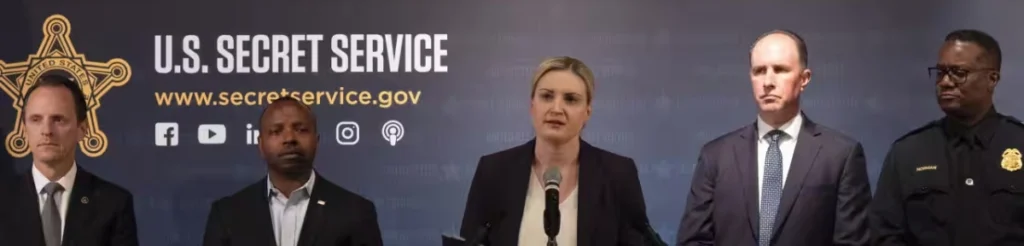
The United States Secret Service plays a crucial role in protecting current and former presidents. Once the threat surfaced, the agency moved swiftly to investigate and neutralize any potential danger.
Officials reviewed:
- The suspect’s online activity
- Communications and messages
- Travel plans
- Access to weapons
- Prior criminal history
Such investigations are standard procedure whenever credible threats emerge against political leaders. The Secret Service works closely with local law enforcement and federal agencies to ensure comprehensive protection.
In this case, authorities acted quickly, preventing what could have been a dangerous situation.
Growing Concerns Over Political Violence

The alleged assassination plot comes at a time when political tensions remain high in the United States. Experts warn that rising political polarization has contributed to an increase in threats against public officials.
Recent years have seen multiple incidents involving threats toward:
- Presidents and former presidents
- Members of Congress
- Governors and state officials
- Judges and legal authorities
Security experts say that online platforms and social media have made it easier for individuals to express extreme views and issue threats, sometimes escalating into real-world incidents.
Legal Consequences

Threatening a U.S. president is a serious federal crime. Under U.S. law, making threats against the president can lead to:
- Federal charges
- Prison sentences
- Heavy fines
- Long-term legal consequences
Authorities emphasized that even verbal or written threats are treated seriously, especially when they appear credible or specific.
Legal experts say that the suspect in this case could face significant penalties if convicted. Prosecutors typically pursue such cases aggressively to deter future threats.
Security at the White House
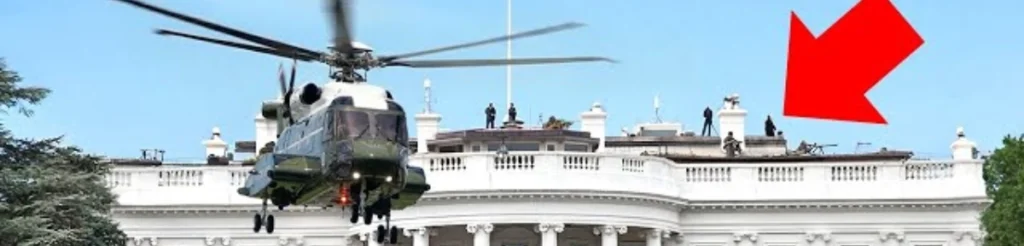
The White House remains one of the most heavily protected buildings in the world. Security measures include:
- Armed security personnel
- Surveillance systems
- Restricted access zones
- Perimeter fencing
- Rapid-response teams
Despite these protections, authorities remain vigilant against potential threats. Even unlikely or exaggerated claims are investigated thoroughly to ensure safety.
Security protocols are regularly updated based on emerging risks and intelligence.
Reaction From Political Leaders

The alleged assassination plot has drawn reactions from political figures and security analysts. Many leaders emphasized the importance of maintaining civility and reducing political hostility.
Analysts warn that violent rhetoric can contribute to dangerous situations. They stressed the need for responsible political discourse and public awareness.
Some officials also praised the swift response by the United States Secret Service and law enforcement agencies for preventing potential harm.
The Role of Social Media

Investigators often examine social media platforms when assessing threats. In many cases, suspects leave digital footprints that help authorities identify risks early.
Social media has become a double-edged sword:
Benefits:
- Helps authorities detect threats early
- Enables faster investigations
- Provides evidence
Risks:
- Spread of extremist views
- Encouragement of violence
- Amplification of threats
Experts urge users to report suspicious or threatening content immediately.
Political Climate and Public Safety

The incident highlights the broader issue of political tensions and public safety. Experts believe that reducing hostility and encouraging constructive dialogue can help prevent such threats.
Public awareness also plays a key role. Authorities encourage citizens to report suspicious behavior and cooperate with law enforcement.
What Happens Next?

Authorities are expected to continue investigating the suspect and determine whether additional individuals were involved. Investigators will also assess whether the threat was realistic or exaggerated.
Possible next steps include:
- Formal charges
- Court proceedings
- Mental health evaluation
- Continued monitoring
Law enforcement agencies remain alert to prevent similar incidents.
Conclusion
The alleged assassination threat against Donald Trump has once again highlighted the importance of security, vigilance, and responsible political discourse. While authorities successfully prevented any harm, the incident serves as a reminder of the challenges facing modern democracies.
As investigations continue, officials stress the need for cooperation, awareness, and calm. The swift response by the United States Secret Service demonstrates the effectiveness of security systems designed to protect public leaders.
In an era of heightened political tension, ensuring safety and promoting peaceful dialogue remain critical priorities.