
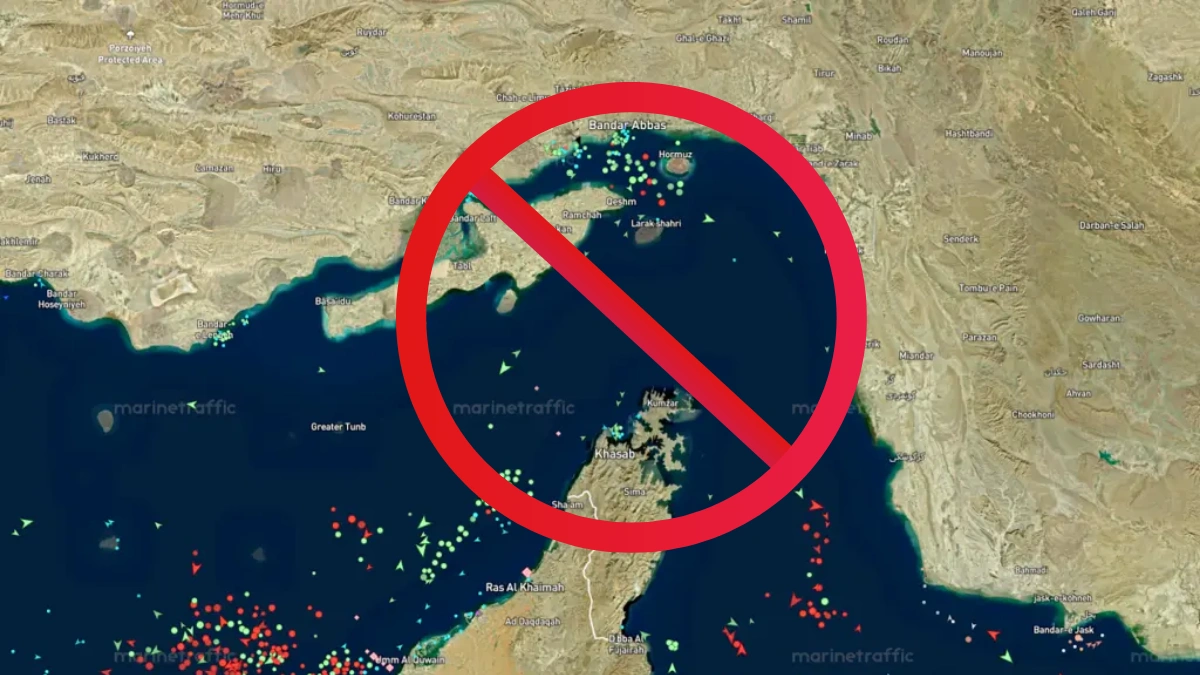
The Strait of Hormuz — one of the world’s most critical oil chokepoints — has once again become the center of global tension. Reports indicate that shipping traffic has dramatically slowed, with U.S. forces stopping Iran-linked tankers and hundreds of other vessels choosing to avoid the area altogether due to rising security risks. The situation is raising fears of a major global energy disruption and escalating geopolitical conflict.
What Happened: US Stops Iran-Linked Tankers
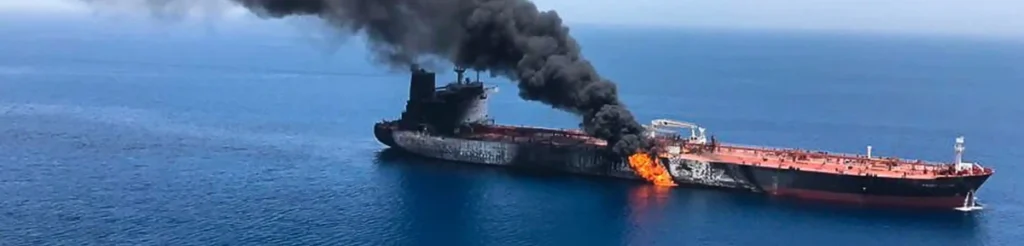
According to recent reports, the United States has moved to restrict vessels linked to Iranian oil exports. In the early days of the operation, 14 ships complied with U.S. warnings and turned back, while several other vessels avoided entering the strait entirely.
Some reports also suggest that hundreds of ships, including oil tankers, are waiting outside the strait, unwilling to risk entering a potential conflict zone. This has effectively slowed traffic through the waterway and increased fears of supply disruptions.
At the same time, U.S. officials clarified that the operation is aimed at Iran-linked vessels and ports, not a complete closure of the Strait of Hormuz.
However, the practical impact remains significant. Shipping companies are extremely cautious, and many are delaying routes until the situation becomes clearer.
Iran’s Response Escalates Tensions

Reports indicate that Iran has responded by increasing pressure in the region. Some sources suggest that Iran has laid naval mines in parts of the strait, raising risks for commercial shipping.
Naval mines are particularly dangerous because they are difficult to detect and remove. The presence of mines alone can significantly slow shipping traffic, even without direct military confrontation.
The U.S. has reportedly begun preparing mine-clearing operations using advanced drones, helicopters, and naval vessels. However, these operations are slow and risky, meaning disruptions could last for weeks.
Ships Avoiding the Strait
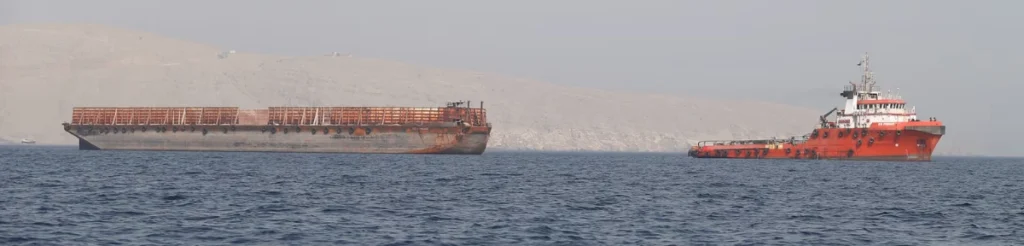
Even when a strait isn’t officially closed, fear can effectively shut it down. Insurance companies often raise premiums dramatically during conflicts. Shipping companies may refuse to send vessels into danger zones.
As a result:
- Tankers are rerouting
- Cargo ships are delaying departures
- Oil shipments are slowing
- Shipping costs are increasing
Some reports suggest only a handful of ships have passed through the strait during recent days — far below normal traffic levels.
Global Oil Market Impact
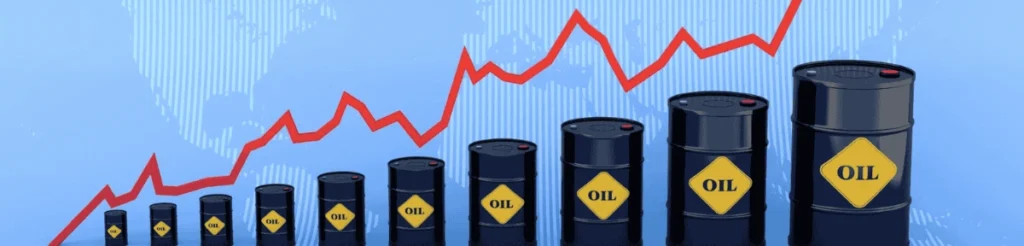
Whenever the Strait of Hormuz faces disruption, global oil markets react quickly.
Potential impacts include:
1. Rising Oil Prices
Reduced supply typically leads to higher oil prices. This affects:
- Petrol prices
- Transport costs
- Inflation worldwide
2. Energy Security Concerns
Countries dependent on Middle East oil, including India, China, and Europe, could face shortages.
3. Economic Ripple Effects
Higher fuel costs impact:
- Airlines
- Shipping companies
- Manufacturing
- Food prices
Why the US Is Taking This Step

The U.S. move appears to be part of broader pressure on Iran. Analysts suggest the goal may include:
- Limiting Iran’s oil revenue
- Forcing negotiations
- Reducing regional tensions
- Preventing escalation
Iran reportedly exports millions of barrels of oil daily, making energy exports a crucial part of its economy. Blocking these shipments could significantly impact Iran financially.
Military Risks Rising

The situation is dangerous because:
- US warships are present
- Iran has naval capabilities
- Mines increase risk
- Accidental clashes are possible
Even a small incident — such as a ship being attacked or accidentally damaged — could escalate into a broader conflict.
Past Strait of Hormuz Crises

This is not the first time the Strait of Hormuz has been threatened. Previous tensions include:
- Iran-US tensions (2019)
- Tanker attacks in Gulf waters
- Military stand-offs
Each time, global markets reacted quickly.
However, analysts say the current situation is more serious due to:
- Larger military involvement
- Ongoing regional conflicts
- Wider economic consequences
What Could Happen Next
Several possible scenarios exist:
Best Case
- Diplomatic talks succeed
- Shipping resumes
- Oil prices stabilize
Moderate Scenario
- Partial restrictions continue
- Oil prices rise moderately
- Shipping delays remain
Worst Case
- Full military conflict
- Strait fully blocked
- Global energy crisis
Global Diplomatic Efforts

Countries including:
- China
- India
- European nations
are likely to push for negotiations. No country wants prolonged disruption in global oil supply.
Conclusion
The Strait of Hormuz situation remains fluid and highly sensitive. While it may not be completely closed, shipping disruptions, military tensions, and rising fears are already having real-world consequences.
With 14 Iran-linked tankers reportedly turned back and hundreds of vessels hesitant to cross, the global energy market is on edge. If tensions continue, the world could face rising fuel prices, supply shortages, and economic instability.
For now, governments, businesses, and markets are watching closely — because what happens in this narrow waterway can impact the entire world.