
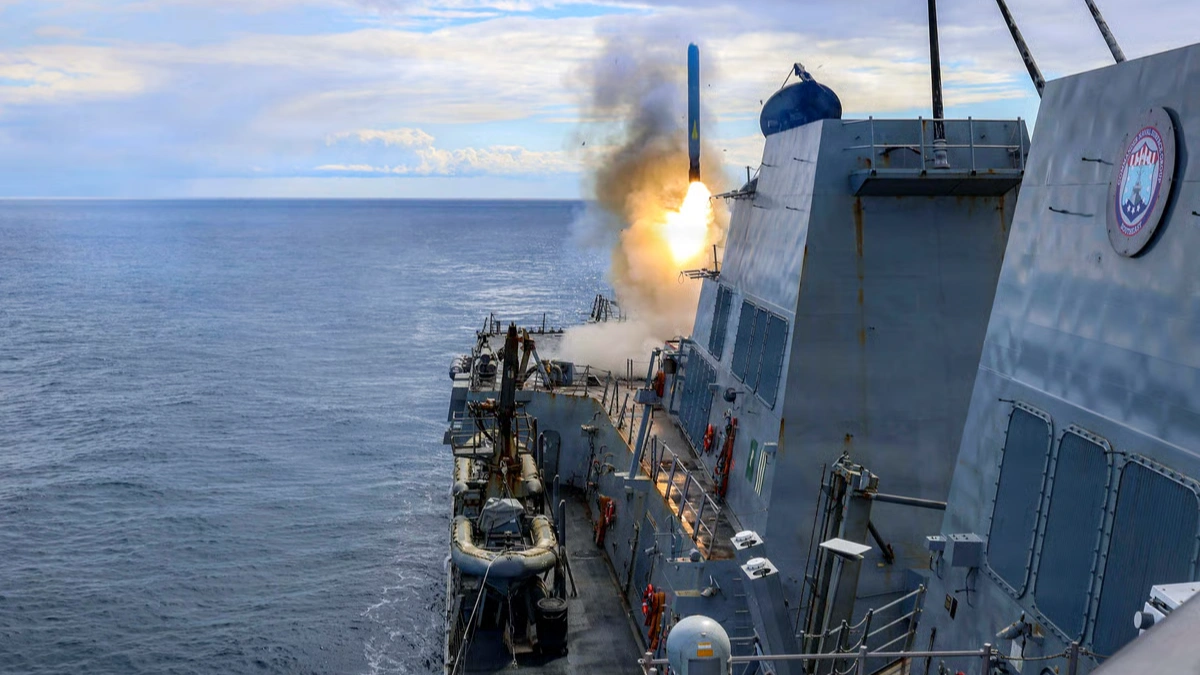
The waters of the Persian Gulf have once again become the center of global tension. As Iran challenged the United States Navy in the Strait of Hormuz, the consequences have quickly escalated into a dangerous mix of military confrontation, burning ships, disrupted oil supplies, and rising fears of a wider regional war.
What started as threats over shipping routes and naval blockades has now turned into direct clashes at sea. Iranian vessels, oil tankers, and strategic cargo ships have become the focus of intense confrontation as the U.S. increases pressure and Tehran vows retaliation.
The result: burning ships, blocked trade routes, and a global economy watching nervously.
Why the Strait of Hormuz Matters
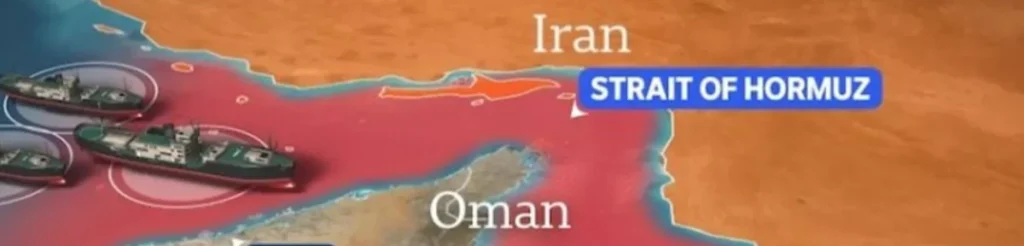
The Strait of Hormuz is one of the most important waterways in the world. Nearly one-fifth of the world’s oil supply passes through this narrow shipping route every day.
Any disruption here affects:
- Global oil prices
- Fuel supply chains
- International trade
- Inflation worldwide
- Energy security for major economies
Because of this, control over the Strait of Hormuz is not just a regional issue—it is a global economic issue.
Iran has long used the Strait as a strategic pressure point, while the U.S. Navy has maintained a strong presence to ensure freedom of navigation.
This latest crisis shows how quickly that balance can collapse.
The U.S. Naval Blockade
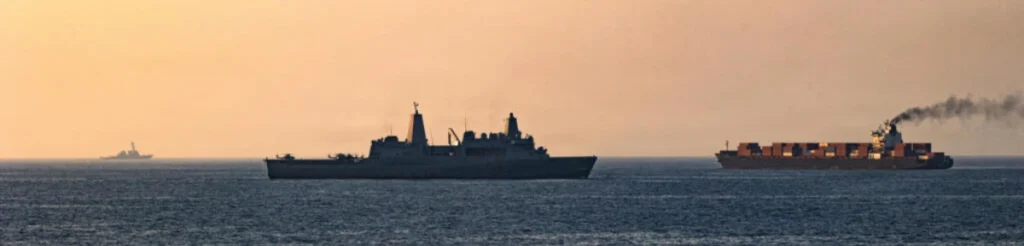
In April 2026, the United States imposed a naval blockade targeting ships going to and from Iranian ports after peace talks failed. U.S. officials said the blockade was necessary to prevent escalation and pressure Iran into reopening shipping lanes.
The U.S. Navy began intercepting vessels, and one major incident involved the seizure of an Iranian-flagged cargo ship near the Strait of Hormuz. Iran immediately called the move “armed piracy” and a violation of the fragile ceasefire.
Washington described the blockade as a strategic necessity.
Tehran saw it as an act of war.
Iran’s Response: “No Port Will Be Safe”

Iran responded with sharp warnings.
Military leaders declared that if Iranian ports were threatened, no port in the region would remain safe. Tehran warned it could target American ships and disrupt shipping operations throughout the Gulf.
Iran also continued asserting control over the Strait of Hormuz, rejecting outside pressure and signaling that reopening the route would happen only on its own terms.
This created a direct confrontation with the U.S. Navy.
Burning Ships and Escalation
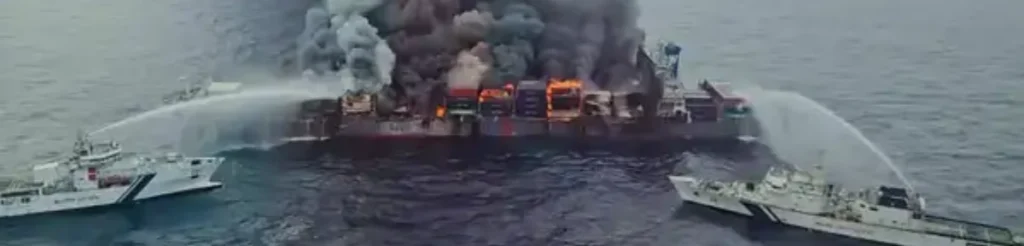
As tensions grew, reports emerged of ships being attacked, seized, or damaged across the region.
Oil tankers attempting to pass through dangerous waters faced threats from both sides. Some were intercepted. Others avoided the route entirely.
Thousands of sailors were described as “sitting ducks” as attacks and naval pressure made normal transit nearly impossible. Oil prices surged as ships in the waterway came under attack and insurance risks exploded.
The phrase “they’re burning” reflects both literal destruction and economic damage:
- Ships at risk of military strikes
- Tankers facing seizure
- Billions in lost trade
- Rising global fuel prices
The battlefield was no longer just military—it was economic.
Iran Still Has Naval Power
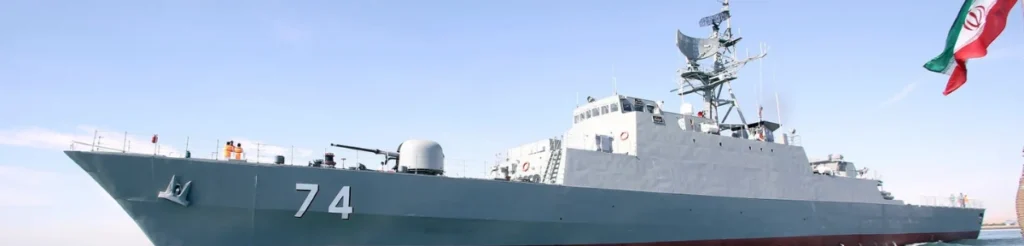
Despite major strikes, U.S. intelligence reports suggest Iran still retains significant naval capability.
Officials say around 60% of Iran’s Revolutionary Guard naval forces remain active, especially the fast, small attack boats often called the “mosquito fleet.” These vessels are difficult to track and highly effective in narrow waterways like Hormuz.
This means Iran’s threat is not conventional fleet power—it is asymmetric warfare.
Fast boats, drones, missiles, and mines make the Gulf extremely dangerous even without large warships.
That keeps the U.S. Navy under constant pressure.
Why the U.S. Cannot Fully Control Hormuz
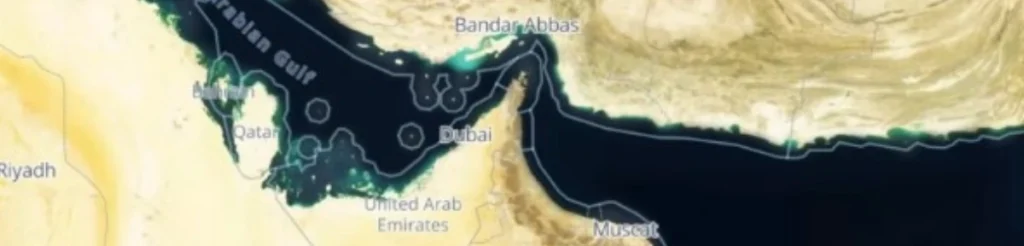
Even with advanced destroyers, carriers, and surveillance systems, controlling the Strait of Hormuz is extremely difficult.
Iran has strategic advantages:
- Geographic proximity
- Missile positions along the coast
- Drone capabilities
- Mine warfare
- Fast attack boats
Analysts describe this as an asymmetric naval battle where superior technology does not guarantee full control.
This is why even Trump’s strong naval strategy faces limits.
A blockade may slow Iran—but it cannot easily eliminate Tehran’s influence in its own waters.
Global Economic Fallout

The biggest damage may not be military—it may be economic.
As ships burn, oil markets react instantly.
Crude prices have surged, with some forecasts warning prices could move toward $110 per barrel if disruption continues.
This affects:
- Fuel prices worldwide
- Airline costs
- Food transportation
- Manufacturing expenses
- Inflation across major economies
Countries like China, India, and Europe are especially vulnerable because they depend heavily on Gulf energy supplies.
A regional naval conflict quickly becomes a global financial problem.
The Ceasefire Is Fragile
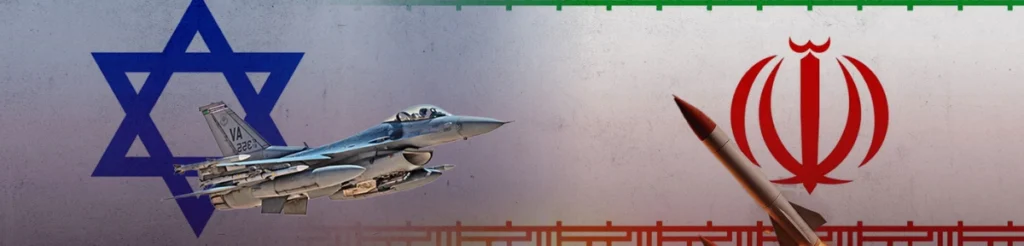
Even though a ceasefire technically exists, it remains unstable.
Trump has warned that if talks fail and the truce ends, “lots of bombs start going off.” Meanwhile, Iran insists it will not negotiate under pressure.
This creates a dangerous situation where diplomacy and military escalation are happening at the same time.
One mistake at sea could restart a much larger war.
Conclusion
Iran challenged the U.S. Navy—and the result is a burning crisis.
From seized cargo ships to blocked oil routes, the conflict in the Strait of Hormuz has become far more than a naval standoff. It is now a test of power, strategy, and economic survival.
The U.S. wants control and pressure.
Iran wants leverage and resistance.
Between them lies one of the world’s most critical waterways—and the global economy.
As ships burn and tensions rise, the question is no longer whether this matters.
The question is how much worse it can get.