
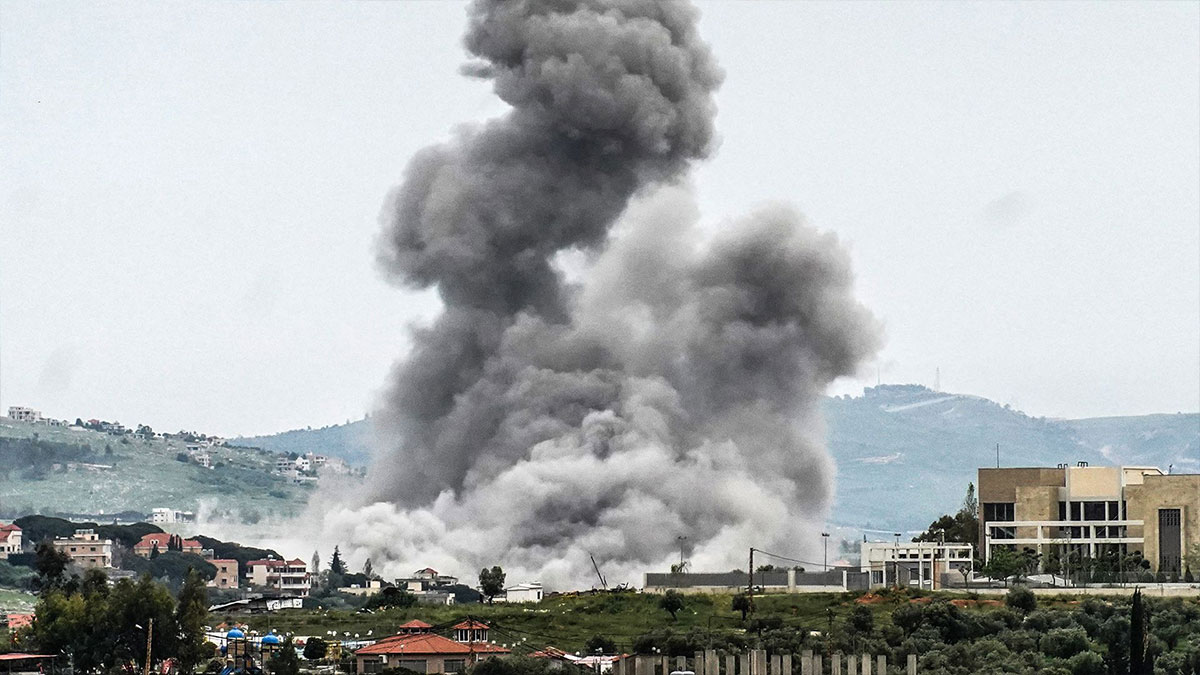
The Middle East remains on edge as Israel launched fresh strikes against Hezbollah targets in southern Lebanon, while diplomatic efforts between the United States and Iran continue to face major setbacks. The fragile ceasefire in the Israel-Lebanon conflict is being tested, and the failure of direct US-Iran talks has added more uncertainty to an already volatile region.
The latest developments show how deeply connected these conflicts have become. What happens between Israel and Hezbollah directly affects Washington’s negotiations with Tehran, and every military strike risks pushing the region closer to a wider war.
Fresh Israeli Strikes in Lebanon
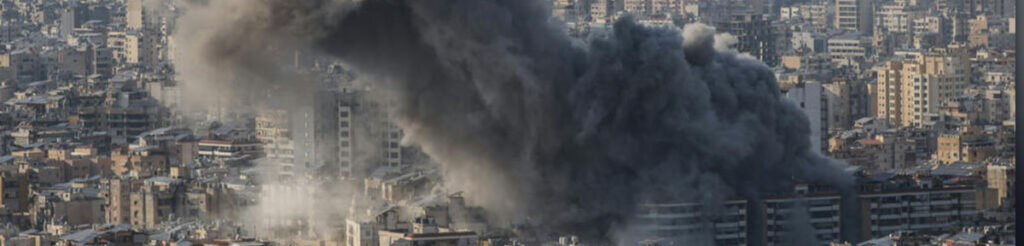
Israeli forces carried out multiple airstrikes targeting what they described as Hezbollah military infrastructure, including rocket launchers, arms depots, and fighter positions in southern Lebanon. According to Lebanon’s health ministry, at least 14 people were killed, including civilians, making it one of the deadliest days since the US-mediated ceasefire began earlier this month.
Israel says these operations are necessary to prevent Hezbollah from rebuilding military strength near the border. Prime Minister Benjamin Netanyahu stated that Hezbollah has repeatedly violated the ceasefire agreement and that Israel will continue acting “forcefully” to protect its citizens and eliminate emerging threats.
The Israeli military has also maintained activity inside what it calls a security buffer zone, warning residents in nearby Lebanese towns to evacuate. These actions have further raised tensions and increased criticism from Lebanon and international observers.
Hezbollah’s Response

Hezbollah has strongly condemned the strikes and accused Israel of violating the ceasefire first. The group insists that it has the right to respond to Israeli aggression and defend Lebanese territory.
Hezbollah fighters reportedly launched attacks on Israeli military positions, while Israel claimed to have intercepted drones approaching its territory. This back-and-forth has made the ceasefire increasingly fragile and raised fears of a full return to open conflict.
For Hezbollah, the issue is not only about Lebanon. The group sees itself as part of the broader regional resistance aligned with Iran, and any Israeli military pressure is viewed through that larger strategic lens.
US-Iran Talks Hit a Roadblock

At the same time, diplomatic talks between the United States and Iran have stalled. Planned face-to-face discussions in Pakistan were disrupted after President Donald Trump canceled the visit of US envoys, instead suggesting that Iran could communicate by phone if serious about reaching a deal.
Iran’s Foreign Minister Abbas Araqchi responded by continuing regional diplomacy, visiting Pakistan and Oman before heading to Russia for discussions with President Vladimir Putin. Iran reportedly sent written proposals outlining its conditions for peace, but major disagreements remain unresolved.
The biggest disputes involve Iran’s nuclear ambitions, the reopening of the Strait of Hormuz, and whether any agreement must also include Israeli military actions in Lebanon.
Why Lebanon Matters in US-Iran Negotiations

Iran has made it clear that any serious peace framework must address Israel’s operations against Hezbollah in Lebanon. Tehran argues that a ceasefire limited only to US-Iran issues is incomplete if Israeli strikes continue.
This creates a major diplomatic challenge for Washington. The US wants to reduce tensions with Iran while continuing strong support for Israel’s security operations. Balancing both goals has become increasingly difficult.
Analysts believe this is one reason talks remain stuck. Iran sees Lebanon as part of the same regional conflict, while the US often treats the Hezbollah front separately.
This disagreement turns every Israeli airstrike into a potential obstacle for diplomacy.
Economic Pressure and the Strait of Hormuz
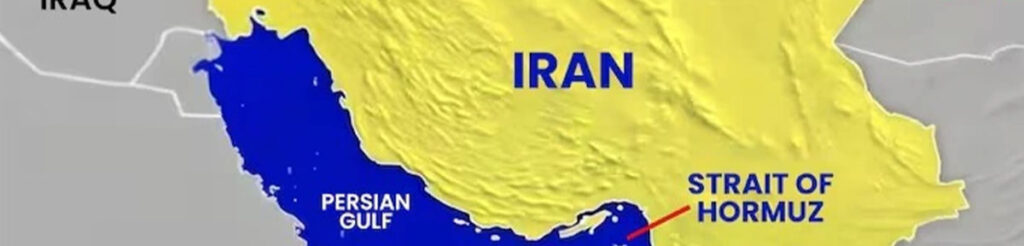
Another major issue is the Strait of Hormuz, one of the world’s most important oil shipping routes. Iran has linked reopening the strait fully to broader negotiations with the US.
As tensions rise, oil prices have surged sharply, creating global economic concerns. Many countries fear that a prolonged disruption in the Gulf could trigger inflation, fuel shortages, and wider financial instability.
Iran reportedly wants the US naval blockade lifted and compensation for earlier attacks before discussing other major issues. Washington, however, considers this proposal insufficient.
This deadlock means both military and economic pressure continue to rise at the same time.
International Reactions
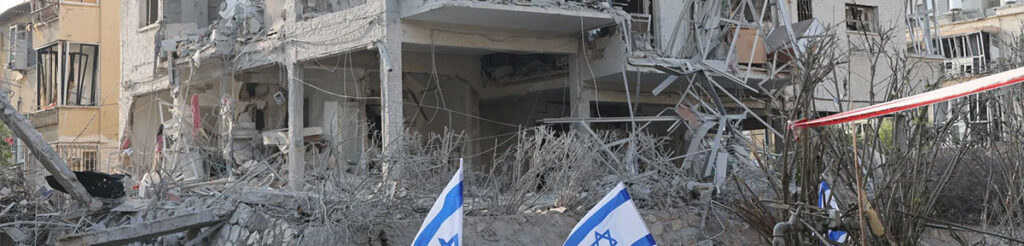
Regional and global powers are watching closely. Pakistan has tried to act as a mediator, while Oman continues back-channel diplomacy. Russia has also become involved, with Iran seeking support from Moscow during this critical period.
European leaders have expressed concern over the possibility of a broader regional war, especially as energy prices rise and fears of supply disruptions grow.
The United Nations has repeatedly called for restraint, warning that a larger conflict involving Israel, Hezbollah, Iran, and the United States could destabilize the entire Middle East for years.
The Risk of Wider War
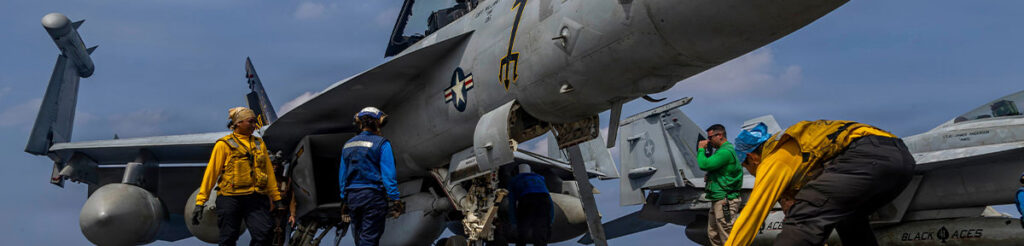
The greatest fear is that limited clashes could spiral into a much larger war. A single miscalculation—a major civilian casualty event, a successful missile strike, or a failed diplomatic signal—could trigger escalation beyond anyone’s control.
Israel remains focused on preventing Hezbollah and Iran-backed groups from gaining strategic advantage near its borders. Iran wants guarantees that its regional influence and national security will not be weakened. The US is trying to avoid another full-scale Middle East war while protecting its allies and strategic interests.
These goals often conflict, making diplomacy extremely difficult.
Conclusion
Israel’s latest strikes against Hezbollah show how fragile the current ceasefire really is. At the same time, stalled US-Iran talks reveal just how hard it is to separate diplomacy from battlefield realities.
Lebanon, Iran, Israel, and Washington are now part of the same strategic equation. Every missile strike affects negotiations, and every failed diplomatic meeting increases military risk.
For now, the region remains suspended between war and negotiation. Whether leaders choose escalation or compromise in the coming days may shape the future of Middle East stability for years to come.