
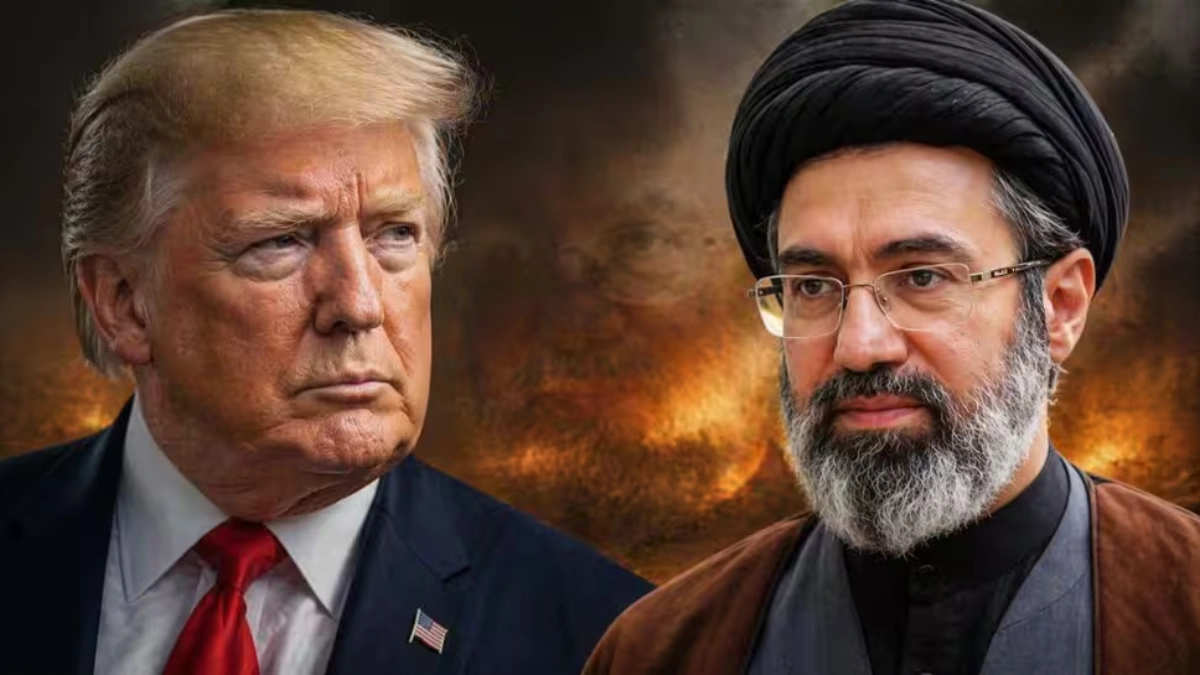
Tensions in the Middle East remain high as Iran warns it has “new cards” to play if fighting resumes, while the status of ongoing peace talks with the United States and its allies remains unclear. With a fragile ceasefire nearing expiration, global leaders are watching closely as diplomatic efforts struggle to prevent another escalation that could impact energy markets, global trade, and regional stability.
Ceasefire at a Critical Turning Point
The latest developments come as a two-week ceasefire between Iran and Western-backed forces approaches its deadline. Iranian officials have indicated that the country is prepared to shift strategies if negotiations fail, raising concerns about renewed military confrontation.
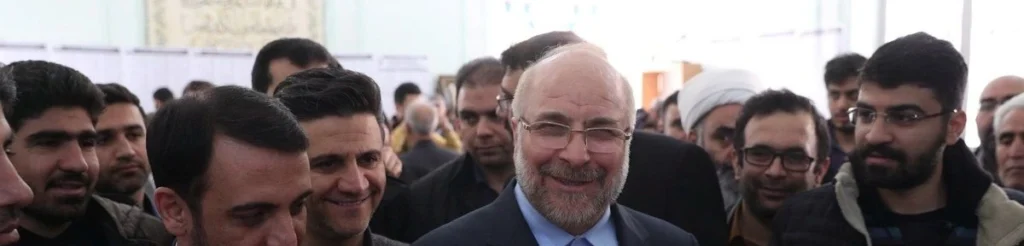
Iran’s parliament speaker and key negotiator, Mohammad Bagher Ghalibaf, warned that Tehran had spent the ceasefire period preparing “new cards on the battlefield.” He emphasized that Iran would not accept negotiations conducted under threats or pressure, signaling a tougher stance as talks remain uncertain.
The warning reflects growing frustration within Tehran, where leaders argue that diplomatic efforts have been undermined by continued military pressure and economic restrictions. Iranian officials claim the ceasefire has not resulted in meaningful progress, prompting them to consider alternative strategies.
Peace Talks Remain Uncertain
The situation is further complicated by uncertainty over whether Iran will even participate in the next round of peace talks. Reports indicate that Tehran has not yet decided whether to attend upcoming negotiations, citing skepticism about U.S. intentions and the likelihood of achieving meaningful outcomes.
Meanwhile, U.S. officials continue to push for negotiations, with delegations expected to travel to neutral locations for further discussions. However, differences over Iran’s nuclear program, sanctions relief, and regional security remain major sticking points.
Iranian leaders have repeatedly insisted that negotiations must be conducted without coercion. Officials argue that threats of military action undermine diplomacy and make it difficult to reach a sustainable agreement.
What Iran Means by “New Cards”
Iran’s reference to “new cards” has sparked speculation among analysts and policymakers. While officials have not revealed specific plans, experts believe the phrase could refer to several possible strategies:
1. Military Escalation Options
Iran may introduce new military tactics or capabilities if hostilities resume. These could include:
- Expanded missile operations
- Increased drone activity
- Naval operations in key waterways
- Cyber warfare strategies
Such moves could significantly increase tensions and complicate diplomatic efforts.
2. Strategic Regional Alliances
Iran could also strengthen partnerships with regional allies. By expanding diplomatic and military coordination, Tehran may seek to gain leverage in negotiations.
3. Economic Pressure Tactics
Iran may also use economic tools to influence global markets, particularly in energy supply. Any disruption to shipping routes or oil exports could affect global prices and economic stability.
Fragile Diplomatic Environment
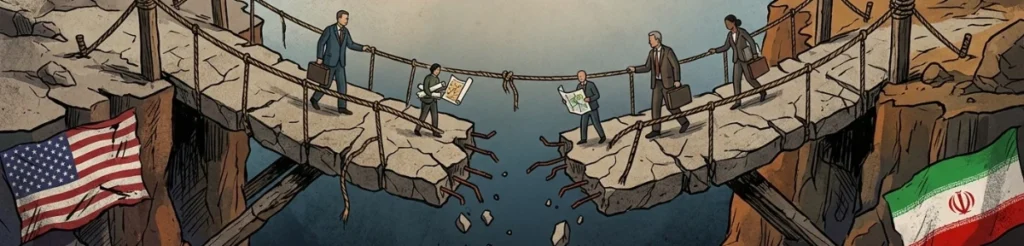
The warning from Iran highlights how fragile the current diplomatic environment has become. Both sides continue to accuse each other of undermining negotiations, making progress difficult.
Iranian officials argue that continued military actions and economic sanctions contradict diplomatic efforts. On the other hand, Western leaders claim Iran must demonstrate commitment to peaceful negotiations.
This mutual distrust has slowed progress and increased the risk of renewed conflict.
Global Impact of Rising Tensions
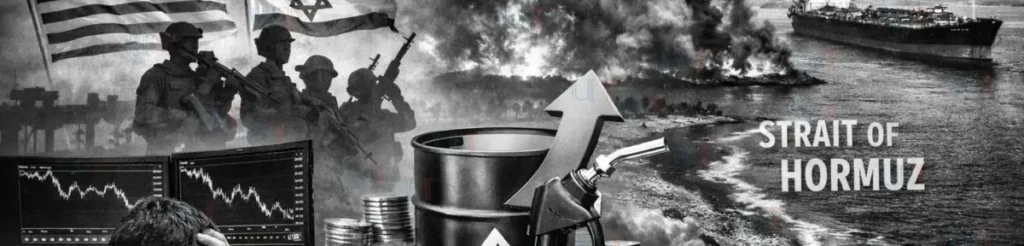
The uncertainty surrounding peace talks has already begun affecting global markets. Oil prices have fluctuated in response to shifting expectations about conflict and diplomacy.
Recent reports indicate that oil prices rose after peace talks stalled, reflecting investor concerns about potential supply disruptions.
If fighting resumes, the consequences could extend far beyond the Middle East:
- Increased energy prices
- Disruption of global shipping routes
- Market volatility
- Regional instability
- Humanitarian challenges
These risks highlight why the international community is closely monitoring the situation.
Role of International Mediators

Several countries have attempted to mediate between Iran and the United States. Neutral locations have been proposed for talks, and diplomatic channels remain open.
However, progress has been slow. Each side continues to demand concessions before moving forward.
Iran has emphasized that meaningful negotiations must include:
- Sanctions relief
- Security guarantees
- Recognition of nuclear rights
- Respect for sovereignty
Without progress on these issues, analysts believe negotiations may remain stalled.
Military Preparedness on Both Sides
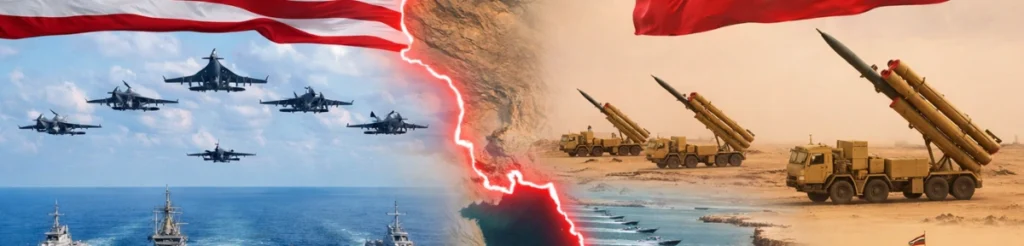
While diplomacy continues, both sides appear to be preparing for the possibility of renewed conflict.
Iran’s leadership has indicated that the ceasefire period was used to strengthen readiness. Meanwhile, Western forces have maintained their military presence in the region.
This dual approach—preparing for conflict while negotiating peace—illustrates the uncertainty surrounding the situation.
Why This Matters
The stakes are high. Any escalation could impact:
- Global energy markets
- Regional security
- International diplomacy
- Economic stability
The warning from Iran suggests that leaders are preparing for all possibilities.
Conclusion
As the ceasefire deadline approaches, Iran’s warning about “new cards” underscores the fragile nature of current peace efforts. With negotiations uncertain and tensions rising, the coming days could determine whether diplomacy succeeds or conflict resumes.
Global leaders, investors, and citizens alike are watching closely. The outcome of these talks may shape regional stability and global economic conditions for months to come.
For now, diplomacy hangs in the balance — and the world waits to see what happens next.