
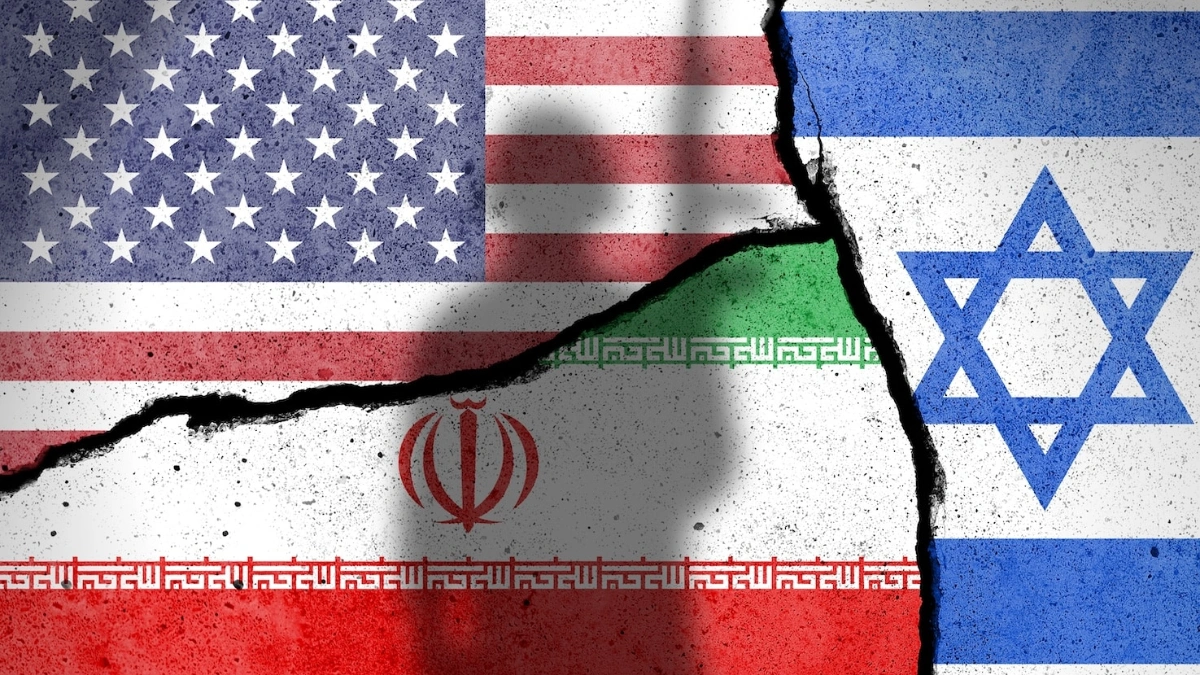
While global headlines focus on geopolitical tensions between the United States, Israel, and Iran, the economic battlefield tells a very different story. Wars often create unexpected winners, and the recent Middle East conflict is no exception. As oil shipments face disruptions, supply chains tighten, and uncertainty spreads across financial markets, several industries are quietly benefiting from the chaos.
The war has already disrupted major global trade routes, particularly the Strait of Hormuz, which carries nearly one-fifth of the world’s oil supply. This disruption has pushed up commodity prices, shipping costs, and insurance premiums worldwide.
But amid the uncertainty, four sectors are emerging as clear winners: Energy, Defense, Shipping & Logistics, and Commodities like Gold and Metals.
Let’s explore how each of these sectors is benefiting from the global conflict.
1. Energy Sector — The Biggest Winner
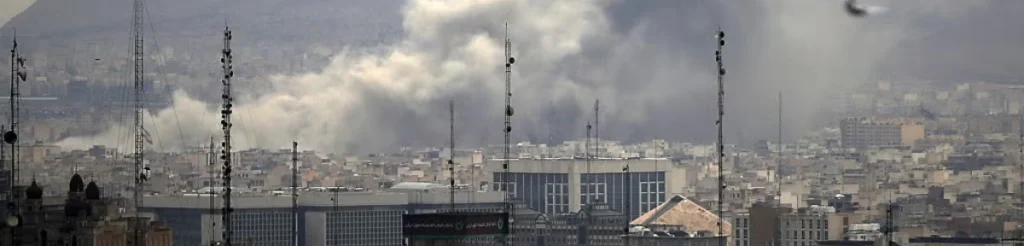
Whenever conflict erupts in the Middle East, energy markets are the first to react. The region produces a significant portion of the world’s oil and gas supply, and any disruption quickly pushes prices higher.
The ongoing conflict has already led to sharp increases in oil and gas prices. Brent crude surged significantly due to fears of supply disruptions and damage to infrastructure.
Higher oil prices directly benefit:
- Oil companies
- Natural gas producers
- Energy exporters outside the conflict zone
- LNG suppliers
Countries outside the Middle East, such as Norway, Brazil, and Canada, often gain from higher oil prices. These nations can sell energy at elevated rates without facing direct conflict risks.
Energy companies also benefit from increased government investments in energy security. Many nations are now:
- Increasing strategic oil reserves
- Investing in alternative energy
- Expanding domestic energy production
This long-term shift ensures the energy sector continues to benefit even after the conflict ends.
Additionally, higher energy prices ripple across industries, raising transportation and manufacturing costs. While this hurts consumers, it boosts revenues for energy producers globally.
2. Defense Industry — Rising Military Spending

Wars almost always lead to higher defense spending, and this conflict is no exception. Governments worldwide are increasing military budgets due to growing geopolitical tensions.
Countries across Europe, Asia, and the Middle East are:
- Purchasing advanced weapons
- Upgrading defense systems
- Expanding cybersecurity investments
- Increasing military readiness
This surge in defense spending benefits:
- Arms manufacturers
- Drone companies
- Surveillance technology firms
- Cybersecurity providers
Defense companies often see stock price increases during periods of geopolitical instability. Investors view defense stocks as “safe” during uncertain times.
Beyond traditional weapons, modern conflicts also increase demand for:
- AI-powered surveillance
- Satellite intelligence
- Cyber warfare systems
- Missile defense technology
This means the defense industry is not just seeing short-term gains but long-term growth.
3. Shipping and Logistics — Higher Profits from Risk

At first glance, war seems harmful to shipping companies. However, conflict often increases freight rates, insurance premiums, and alternative route demand.
The Strait of Hormuz disruption has increased:
- Shipping delays
- Freight costs
- Insurance premiums
- Fuel surcharges
War-risk insurance premiums have surged, and shipping companies are charging higher rates for transporting goods through risky regions.
This benefits:
- Shipping companies
- Freight operators
- Logistics providers
- Marine insurers
Some companies are also benefiting from rerouted trade routes. When ships avoid conflict zones, they take longer routes, increasing shipping demand and revenue.
This creates a paradox: even though global trade slows, shipping companies earn more per shipment.
4. Gold, Commodities and Safe-Haven Assets

Whenever global uncertainty rises, investors move their money into safe-haven assets. Gold is the biggest beneficiary.
During geopolitical crises:
- Gold prices rise
- Silver gains value
- Commodities surge
- Mining companies benefit
Investors see gold as a safe store of value during uncertainty. As tensions rise, demand for gold increases.
Other commodities also benefit, including:
- Copper
- Aluminum
- Fertilizers
- Food commodities
The war has also disrupted fertilizer supply chains, which may affect agriculture globally.
This means agricultural commodities could also rise in price, benefiting producers and exporters.
Why These Sectors Benefit During War

War creates three major economic conditions:
- Supply shortages
- Increased uncertainty
- Government spending
These conditions naturally benefit:
- Energy producers
- Defense companies
- Logistics firms
- Commodity suppliers
Meanwhile, industries that depend on stability—like tourism, retail, and aviation—often suffer.
Global Economic Impact

The war has already slowed global growth and increased inflation risks. Higher energy prices and supply disruptions are affecting economies worldwide.
The IMF warns that higher commodity prices could raise inflation and slow global growth if the conflict continues.
This creates a difficult situation:
- Consumers pay more
- Businesses face higher costs
- Governments increase spending
But for the four winning sectors, these same conditions create opportunities.
Long-Term Winners May Expand

If tensions continue, additional sectors may benefit:
- Renewable energy
- Cybersecurity
- Infrastructure
- Defense technology
Countries are now prioritizing security and supply chain independence. This shift could reshape global economic priorities for years.
Conclusion
Wars reshape economies in unpredictable ways. While the conflict has created instability across global markets, some industries are thriving.
The four biggest winners of the war hitting the global economy are:
- Energy sector
- Defense industry
- Shipping & logistics
- Gold and commodities
These sectors benefit from rising prices, increased demand, and government spending.
While the world watches geopolitical tensions unfold, these industries quietly profit from uncertainty. And if the conflict continues, their gains may only grow.
In times of crisis, markets always find winners — and in this war, these four sectors are leading the way.