
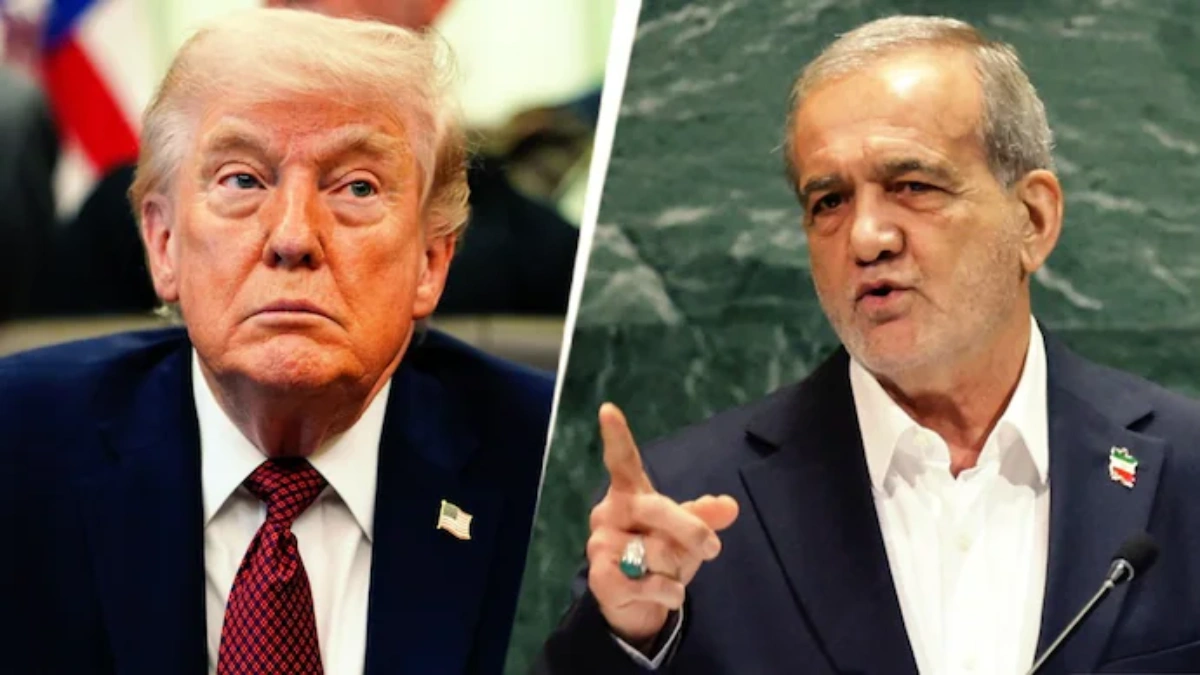
As the fragile ceasefire between Iran and the United States approaches its deadline, tensions are once again rising across the Middle East. Iranian President Masoud Pezeshkian has delivered a strong message, stating that U.S. President Donald Trump cannot deprive Iran of what Tehran considers its legitimate nuclear rights. The statement comes at a critical moment when negotiations appear stalled, threats are escalating, and the risk of renewed conflict is growing.
The coming days may determine whether diplomacy prevails or whether the region slips back into a broader confrontation.
Rising Tensions Ahead of Ceasefire Deadline
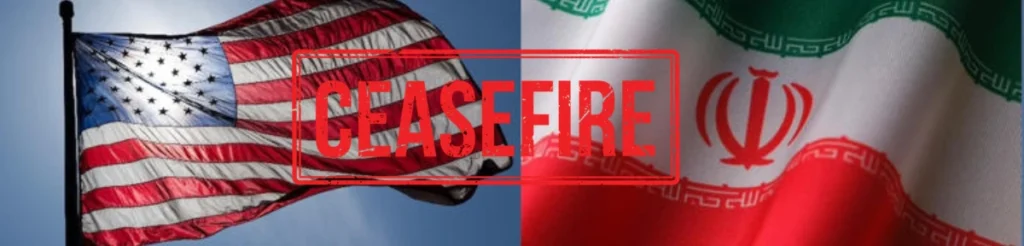
The current ceasefire between Iran and the United States was established after weeks of escalating conflict that affected multiple countries across the Middle East. As the deadline approaches, both sides have hardened their positions, making a peaceful resolution increasingly uncertain.
Iranian President Masoud Pezeshkian made it clear that Iran would not accept any deal that limits its nuclear rights. He questioned the legitimacy of U.S. demands, saying that Trump has no authority to deprive Iran of what Tehran sees as lawful nuclear rights.
Pezeshkian also emphasized that Iran does not seek to expand the war and insists that its actions are defensive. He stated that Iran has no intention of attacking other countries and is focused only on protecting its sovereignty.
These remarks signal that Iran is unwilling to compromise on one of the most sensitive issues in negotiations.
Trump’s Demands and Growing Pressure

President Donald Trump has repeatedly pushed Iran to limit its nuclear program and reopen key shipping routes, particularly the Strait of Hormuz. Washington has also warned that failure to reach an agreement could lead to further military action.
Trump recently accused Iran of violating the ceasefire and threatened to target critical infrastructure if tensions escalate again. The warning raised concerns that diplomatic progress could collapse before negotiations even resume.
At the same time, U.S. officials have pushed for stricter controls on Iran’s nuclear activities. Tehran, however, views these demands as excessive and unrealistic, further complicating negotiations.
Nuclear Rights at the Center of Dispute

Iran has long argued that its nuclear program is intended for peaceful purposes, such as energy production and scientific research. The country maintains that it has the legal right to develop nuclear technology under international agreements.
Pezeshkian reiterated that Iran’s nuclear program is a sovereign right and cannot be dictated by foreign powers. He also criticized what he described as unfair pressure and double standards applied to Iran’s nuclear ambitions.
This disagreement over nuclear rights remains one of the biggest obstacles to reaching a long-term agreement.
Ceasefire at Risk
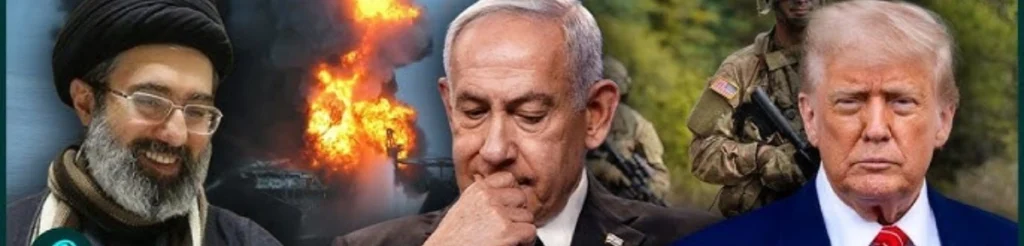
The ceasefire itself is already under strain. Reports indicate that both sides have accused each other of violations, including naval blockades and military activity in strategic areas.
The seizure of an Iranian cargo ship by U.S. forces has further heightened tensions. Iran labeled the move as “armed piracy” and threatened retaliation, raising fears that the ceasefire may collapse.
Meanwhile, global markets are reacting nervously, particularly energy markets, as disruptions to shipping routes threaten oil supplies.
Diplomatic Talks Facing Uncertainty
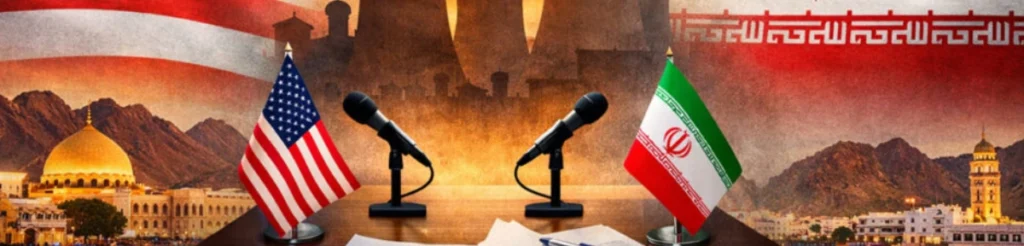
Efforts to restart negotiations remain uncertain. Talks mediated by regional partners have yet to produce a breakthrough, and both sides remain far apart on key issues.
Iran has also expressed distrust toward U.S. intentions, citing previous experiences where agreements collapsed or were not fully implemented. This distrust is making negotiations more complicated.
At the same time, Washington insists that Iran must make concessions before any long-term agreement can be reached.
Regional Impact

The ongoing tensions are affecting more than just Iran and the United States. Countries across the Middle East are closely watching developments, fearing that renewed conflict could destabilize the region further.
Shipping routes, energy supplies, and global trade are all at risk if the ceasefire collapses. Oil prices have already fluctuated amid fears of disruptions in the Strait of Hormuz.
Global markets are also responding to uncertainty, with investors monitoring diplomatic developments closely.
Global Economic Concerns

The potential collapse of the ceasefire could impact global markets in several ways:
- Rising oil prices
- Shipping disruptions
- Increased defense spending
- Market volatility
These economic effects highlight how geopolitical tensions can influence global financial stability.
Iran’s Position Moving Forward
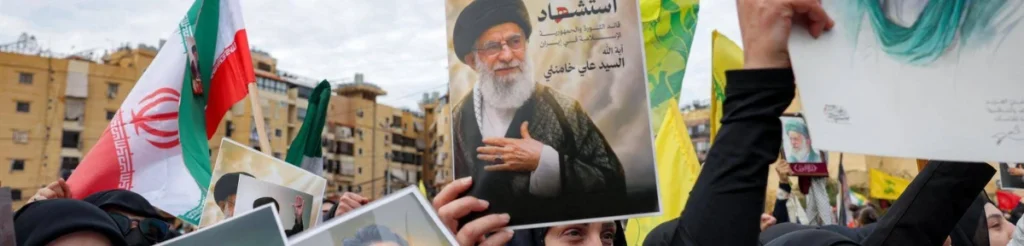
Iran’s leadership has made it clear that it will not abandon its nuclear program under pressure. Pezeshkian’s comments suggest that Tehran is preparing for prolonged negotiations rather than a quick agreement.
At the same time, Iran continues to emphasize that it is open to diplomacy if its sovereignty and rights are respected.
Conclusion
As the ceasefire deadline looms, the standoff between Iran and the United States remains tense and uncertain. President Masoud Pezeshkian’s declaration that Trump cannot deprive Iran of its nuclear rights highlights how far apart the two sides remain.
With threats, negotiations, and economic concerns all in play, the coming days will be crucial in determining whether diplomacy can prevent further escalation.
For now, the world watches closely as one of the most sensitive geopolitical disputes enters a critical phase.