
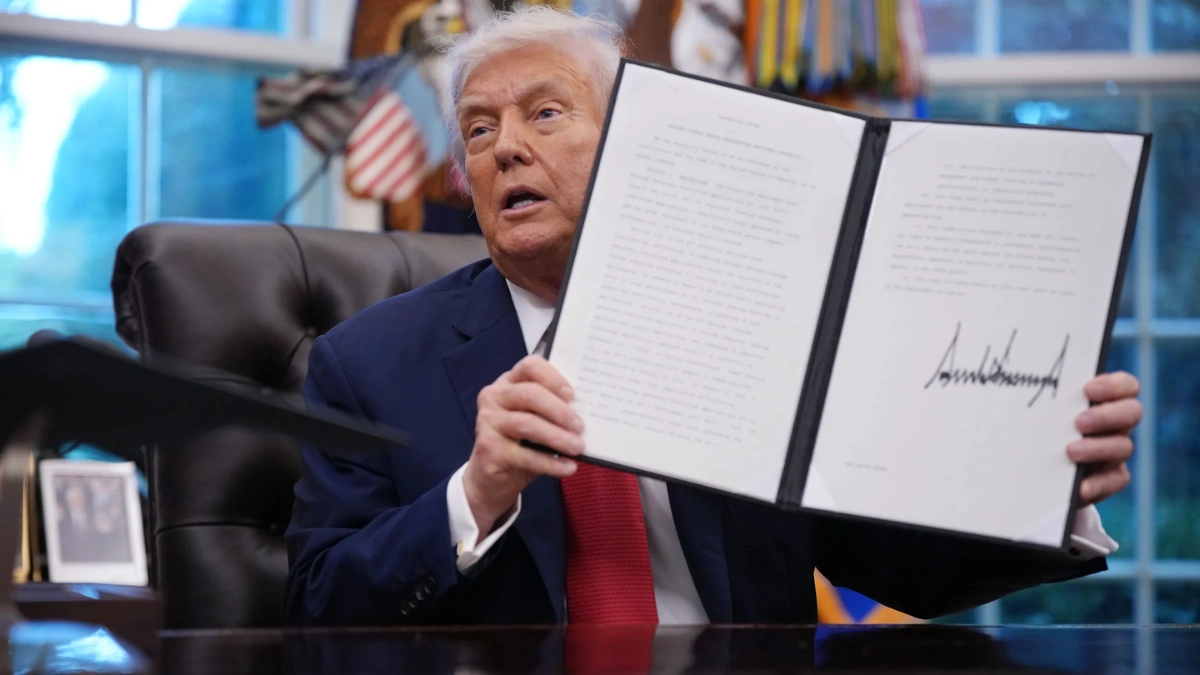
A recent memo linked to former President Donald Trump has sparked major concern among legal experts, government watchdogs, and political analysts. Critics argue that the directive could allow the White House to destroy tens of millions of emails and official records, raising serious questions about transparency, accountability, and historical preservation.
Government emails are not just routine messages—they are official records that document decisions, policies, discussions, and actions taken at the highest levels of government. When such records are deleted or lost, it becomes difficult for investigators, historians, journalists, and even the public to understand how major decisions were made.
This controversy has once again brought the issue of presidential record-keeping into the national spotlight.
Why Government Emails Matter

Every administration produces a massive volume of communication. Emails between White House staff, cabinet members, advisors, and federal agencies often contain crucial details about national security, foreign policy, economic decisions, healthcare reforms, and legal strategies.
These records are protected under laws such as the Presidential Records Act (PRA), which was designed to ensure that official communications are preserved for future review and public accountability.
Without proper record retention:
- Important evidence may disappear
- Investigations can be obstructed
- Public trust may decline
- Historical records become incomplete
- Abuse of power becomes harder to detect
This is why even a memo affecting record retention can trigger major alarm across Washington.
What the Memo Reportedly Suggests

According to critics, the memo could create broader authority for White House officials to classify large amounts of email communication as “transitory” or non-essential. This classification could allow rapid deletion without long-term archiving.
Normally, transitory records refer to short-term communications with little historical or legal importance, such as meeting reminders or duplicate notices.
However, opponents argue that vague definitions can be misused. If policy discussions, legal strategy emails, or politically sensitive conversations are labeled this way, critical records could vanish permanently.
This is where the concern becomes serious.
Legal Experts Raise Concerns
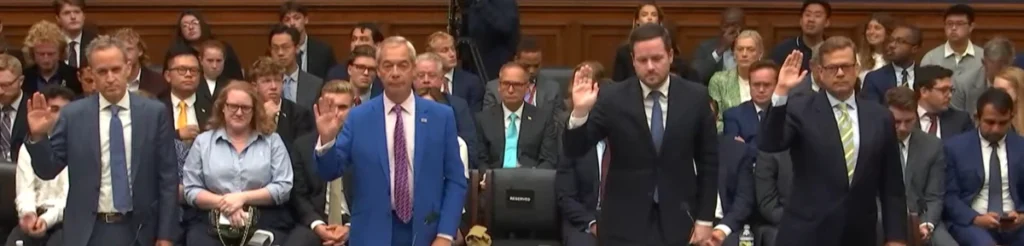
Legal scholars and ethics watchdogs warn that expanding deletion authority could weaken the spirit of the Presidential Records Act.
The concern is not just about one administration—it is about setting a precedent for future presidents. If one White House gains broad power to erase records, future administrations may follow the same model.
Experts argue that transparency in government should not depend on political convenience.
Public record laws exist because democracy requires documentation. Decisions made behind closed doors must still leave a paper trail for accountability.
Without that trail, oversight becomes nearly impossible.
Comparisons to Past Record Controversies

This is not the first time presidential records have created political controversy.
Previous administrations, including those of Hillary Clinton and Richard Nixon, faced intense scrutiny over missing documents, deleted emails, or attempts to control official records.
The Presidential Records Act itself was strengthened after the Watergate scandal to prevent presidents from privately controlling government documents.
The law was created because the public learned how dangerous secrecy can become when records are hidden or destroyed.
This new controversy reminds many observers of those same historical lessons.
Impact on Investigations

One of the biggest fears is how deleted records could affect future legal or congressional investigations.
Whether the issue involves foreign relations, election disputes, executive orders, or national security decisions, investigators often rely heavily on archived emails to establish timelines and responsibility.
If millions of records disappear:
- Congressional oversight weakens
- Journalistic investigations face barriers
- Court proceedings may lack evidence
- Public understanding becomes limited
This could affect not only political accountability but also legal outcomes.
Critics argue that preserving records is not optional—it is fundamental to justice.
Public Trust and Government Transparency

Trust in government institutions is already fragile. Many Americans across the political spectrum believe leaders are not fully transparent.
When reports emerge suggesting large-scale deletion of White House communications, that distrust only grows.
Transparency is not just about legality—it is about confidence.
Citizens want assurance that leaders are accountable for their actions. Preserving official communication helps protect that confidence.
Destroying records, even legally, can create suspicion that something important is being hidden.
In politics, perception often becomes as powerful as reality.
Supporters Defend Administrative Efficiency
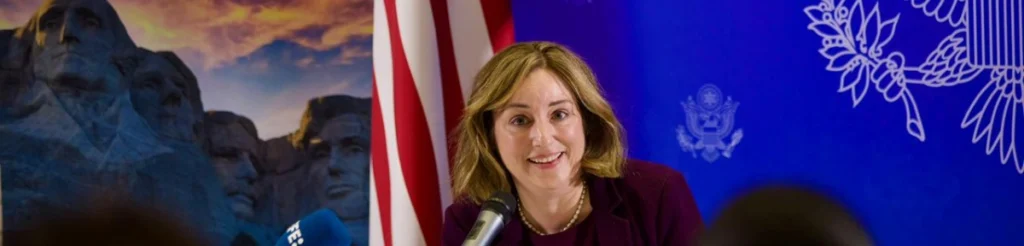
Supporters of broader deletion authority argue that not every email deserves permanent preservation.
A modern White House generates enormous digital traffic every day. Saving every message can create logistical and cybersecurity challenges.
They argue that:
- Storage systems become overloaded
- Routine communication should not be archived forever
- Efficiency requires practical filtering
- Not all records hold legal value
From this perspective, better classification improves operations rather than weakens accountability.
However, critics respond that the solution should be stronger review—not easier deletion.
The Political Fallout

The issue has become another flashpoint in the larger debate over executive power and presidential accountability.
Opponents see the memo as part of a broader pattern of weakening institutional safeguards.
Supporters see criticism as politically motivated and exaggerated.
As election cycles intensify, record preservation may become both a legal issue and a campaign issue, especially if investigations continue or new disclosures emerge.
This ensures the debate will likely remain active for months.
Looking Ahead
Congressional committees, watchdog organizations, and legal advocacy groups may push for stronger oversight or clarification of record retention policies.
Some experts are calling for:
- Clearer definitions of “transitory” records
- Independent archiving oversight
- Stronger enforcement of preservation laws
- Greater transparency in White House record practices
These reforms could help prevent future disputes regardless of which party controls the White House.
The goal is not partisan advantage—it is institutional trust.
Conclusion
The controversy surrounding the Trump memo and White House email destruction highlights a larger issue: democracy depends on records.
Emails may seem ordinary, but they often contain the evidence of extraordinary decisions.
When governments preserve records, they protect accountability. When records disappear, suspicion grows.
The debate is not only about one president or one memo—it is about whether future administrations can be trusted to document power honestly.
For a functioning democracy, transparency is not a luxury. It is a necessity.
And in the digital age, preserving emails may be one of the most important ways to protect it.