

In conflict zones, the word ceasefire often brings hope—hope for peace, stability, and diplomacy. However, recent developments in the Middle East suggest that not all ceasefires signal an end to conflict. According to Jonathan Conricus, the current ceasefire arrangements involving Iran, Hezbollah, and Hamas may be more of a strategic pause than a genuine step toward lasting peace.
A Ceasefire in Name Only
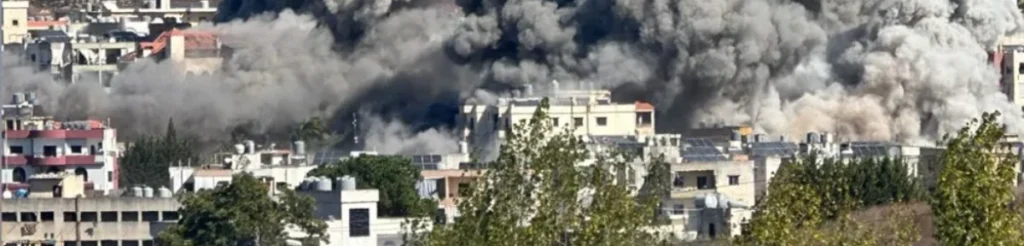
Conricus describes the current situation as a “ceasefire on paper,” implying that while agreements may exist diplomatically, the reality on the ground tells a different story. He argues that all parties involved—including Iran and its regional proxies—are using this period not to de-escalate, but to regroup, rearm, and prepare for future confrontations.
This perspective challenges the conventional belief that ceasefires automatically reduce tensions. Instead, it highlights a more complex dynamic where temporary pauses in fighting can serve as opportunities for strategic repositioning.
Strategic Pause or Tactical Advantage?

Historically, ceasefires have often been used by both state and non-state actors as breathing space. In the current context, Conricus warns that Iran, Hezbollah, and Hamas are actively rebuilding their military capabilities. This includes replenishing weapons, reorganizing forces, and strengthening defensive systems.
At the same time, Israel and other regional actors are also using this pause to reinforce their own military readiness. This mutual buildup creates a fragile balance where the absence of large-scale fighting does not necessarily mean reduced hostility.
The implication is clear: the ceasefire is not resolving the conflict—it is merely delaying its next phase.
Hezbollah and the Reality on the Ground
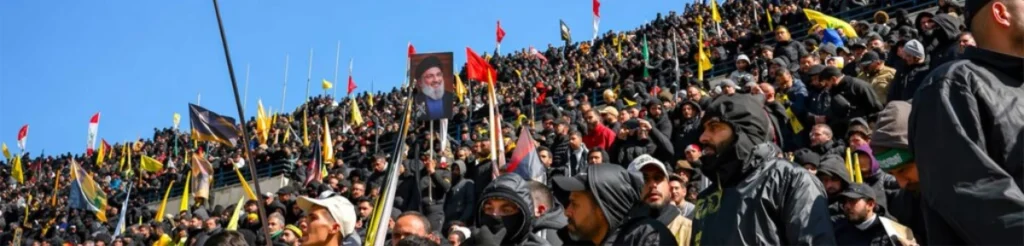
The situation in Lebanon illustrates the limitations of the ceasefire. Despite formal agreements, clashes between Israeli forces and Hezbollah continue. Reports indicate that the ceasefire is only partially observed, with ongoing strikes, drone activity, and localized fighting.
This ongoing violence reinforces Conricus’s claim that the ceasefire is not functioning as intended. Instead of halting hostilities, it has created a fragmented environment where both sides engage in limited but persistent military actions.
Iran’s Position: Weakened but Not Defeated
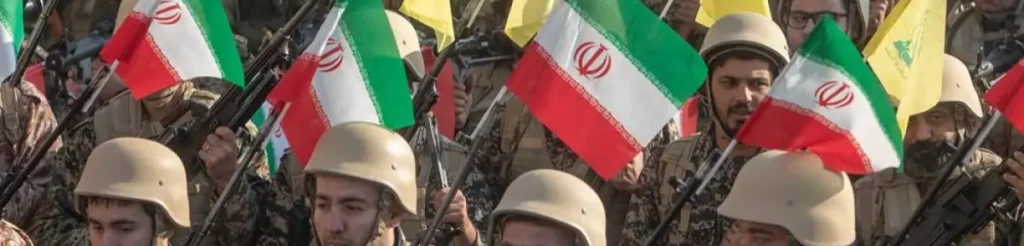
Conricus emphasizes that while Iran’s capabilities may have been reduced due to recent conflicts and economic pressures, the country remains a significant regional force. He notes that Iran is “down, but not out,” meaning it still retains the ability to project power through missiles, drones, and proxy groups.
This distinction is crucial. A weakened adversary can still pose a threat, especially if given time to recover. The ceasefire, therefore, may unintentionally provide Iran with the opportunity to rebuild its strength and resume its strategic objectives.
Hamas and Control in Gaza
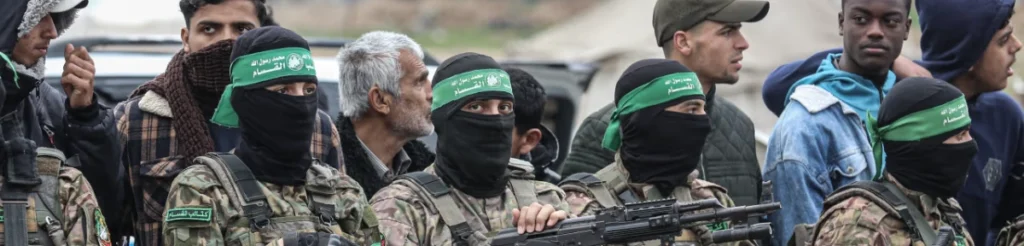
In Gaza, the situation is similarly complex. Despite military operations aimed at weakening Hamas, the group continues to maintain control over significant parts of the territory. Conricus points out that Hamas still possesses weapons and influence over the civilian population.
This ongoing control suggests that the ceasefire has not fundamentally altered the balance of power. Instead, it has allowed Hamas to survive and potentially regroup for future conflict.
The persistence of Hamas underscores the broader challenge: degrading an organization’s capabilities is not the same as eliminating it.
Stalled Diplomacy and Regional Tensions
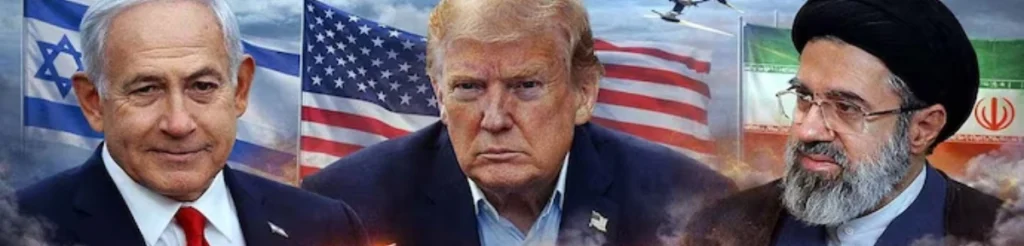
Diplomatic efforts, particularly between the United States and Iran, have struggled to produce meaningful progress. According to Conricus, negotiations appear to be moving on “parallel lines that are not going to meet,” indicating a lack of common ground.
Meanwhile, tensions across the region continue to rise. Ceasefire violations, military posturing, and geopolitical rivalries all contribute to an environment where lasting peace remains elusive.
Recent developments show that even extended ceasefires fail to fully stop hostilities, with both sides accusing each other of violations and continuing limited military actions.
The Illusion of Stability

One of the most important takeaways from Conricus’s warning is the illusion of stability. While headlines may suggest that a ceasefire has brought calm, the underlying conditions of conflict remain unchanged.
This illusion can be dangerous. It may lead policymakers and the public to underestimate the likelihood of renewed violence. In reality, the situation may be more volatile than it appears, with all sides preparing for the next escalation.
Lessons from Past Conflicts
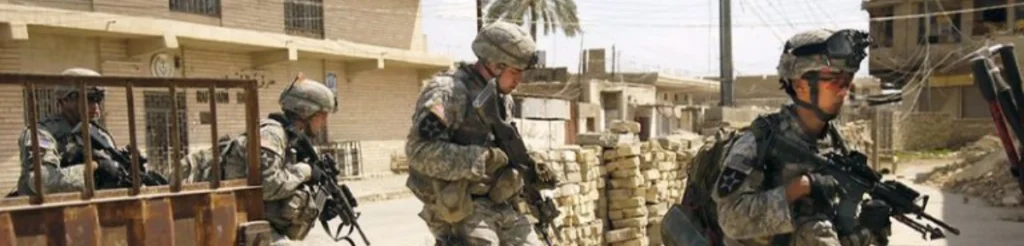
History shows that ceasefires without long-term political solutions rarely succeed. Temporary agreements may reduce immediate violence, but they do not address the root causes of conflict. As a result, fighting often resumes once one or more parties feel ready.
Conricus’s analysis aligns with this historical pattern. He argues that partial military success—such as destroying a percentage of an enemy’s capabilities—is not enough. True resolution requires a decisive outcome, which has not yet been achieved in this case.
What Comes Next?
The future of the Middle East conflict remains uncertain. While ceasefires may continue to be negotiated, their effectiveness will depend on whether they are accompanied by meaningful political and strategic changes.
If the current pattern continues, the region could face another round of intensified conflict. The rebuilding efforts by Iran, Hezbollah, and Hamas, combined with ongoing tensions and stalled diplomacy, suggest that the pause in fighting may only be temporary.
Conclusion
The concept of a ceasefire traditionally represents hope for peace, but in the current Middle Eastern context, it may represent something very different. As highlighted by Jonathan Conricus, the ongoing pause appears to be a strategic intermission rather than a resolution.
Iran, Hezbollah, and Hamas are not stepping back—they are preparing. At the same time, their adversaries are doing the same. This mutual buildup raises serious concerns about the durability of the ceasefire and the likelihood of renewed conflict.
Ultimately, a ceasefire on paper is not enough. Without addressing the deeper political, military, and ideological issues at the heart of the conflict, the region risks remaining trapped in a cycle of temporary pauses followed by renewed violence.