
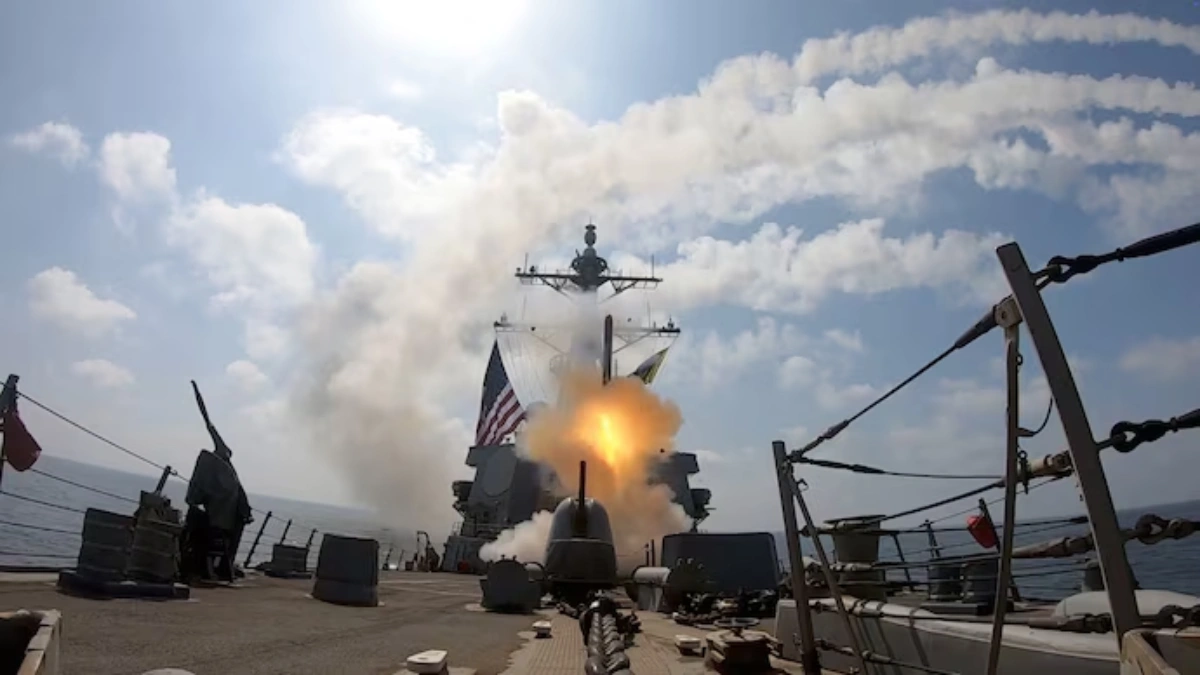
The ongoing conflict between Iran and the United States has taken a dramatic turn at sea. What was once a tense standoff in the Persian Gulf has evolved into a full-scale naval confrontation, with reports indicating that Iran’s warships are being systematically targeted and destroyed. As the conflict intensifies, the shrinking presence of Iran’s naval fleet is raising serious questions about regional security, global trade, and the future balance of power in the Middle East.
A Rapid Decline in Naval Strength
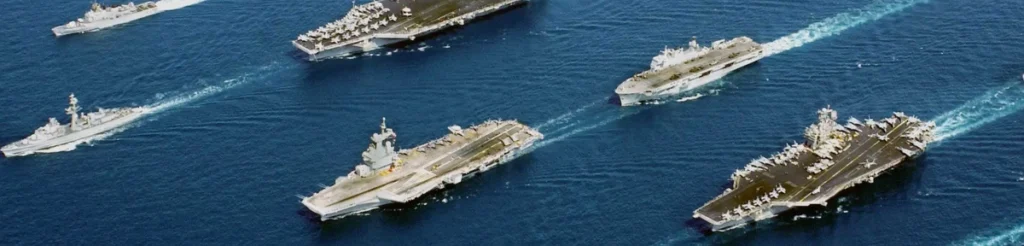
Recent military updates suggest that Iran’s naval capabilities have suffered significant losses. According to U.S. Central Command, dozens of Iranian warships have been destroyed since the beginning of the campaign.
In fact, U.S. forces reportedly eliminated more than 60 Iranian naval vessels, including advanced ships such as the Soleimani-class warships, effectively removing an entire category of Iran’s modern fleet from active service.
This level of destruction marks one of the most significant blows to Iran’s military infrastructure in recent history. Naval assets, which are crucial for controlling strategic waterways and projecting power, have become primary targets in the conflict.
Operation at Sea: A Strategic Objective
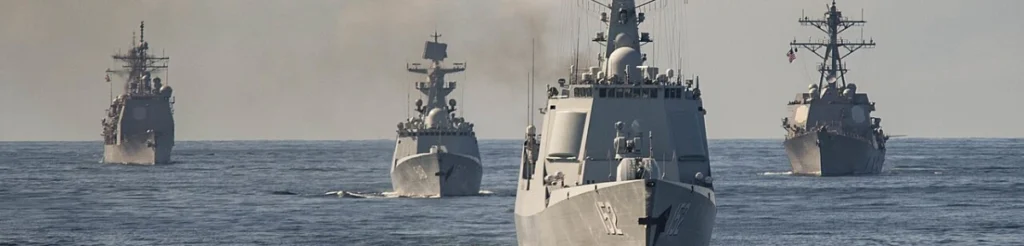
The U.S. campaign has focused heavily on neutralizing Iran’s ability to operate in the Persian Gulf and the Strait of Hormuz. These waters are among the most critical global trade routes, carrying nearly 20% of the world’s oil supply.
By targeting Iranian warships, naval bases, and drone carriers, the United States aims to ensure freedom of navigation and prevent Iran from disrupting international shipping. Early in the conflict, U.S. forces struck multiple naval facilities and vessels, including a large Iranian drone carrier that was reportedly set ablaze during the attack.
The message is clear: control of the sea is central to this conflict, and naval dominance could determine its outcome.
The Disappearance of Key Warships
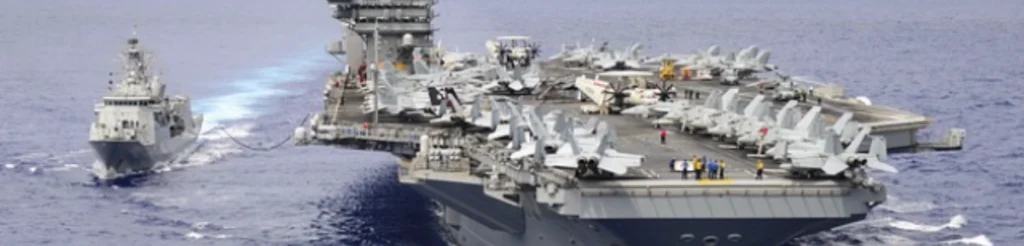
One of the most striking developments is the disappearance of entire classes of Iranian warships. U.S. officials confirmed that all vessels belonging to a specific advanced class were destroyed, significantly reducing Iran’s technological edge at sea.
Additionally, reports indicate that over 30 ships were sunk in just the early days of the campaign, including a vessel comparable in size to a World War II aircraft carrier.
These losses are not just numerical—they represent a strategic dismantling of Iran’s naval capabilities, including surveillance, missile deployment, and drone operations.
Iran’s Response and Retaliation
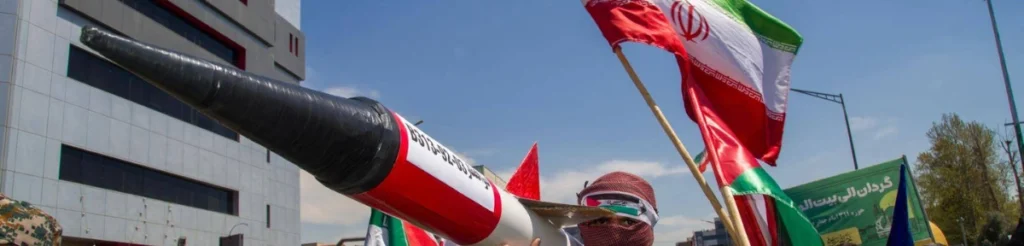
Despite heavy losses, Iran has not remained passive. The country has attempted to retaliate using drones and missile strikes targeting U.S. naval assets. In one reported incident, Iranian forces launched drone attacks against American warships following a U.S. strike on an Iranian vessel.
However, these responses appear limited compared to the scale of U.S. operations. The disparity in naval power, technology, and global reach has made it difficult for Iran to match the intensity of American attacks.
Still, Iran’s strategy may not rely solely on traditional naval warfare. The country has long invested in asymmetric tactics, including fast attack boats, naval mines, and missile systems designed to disrupt larger and more advanced fleets.
The Role of the Naval Blockade
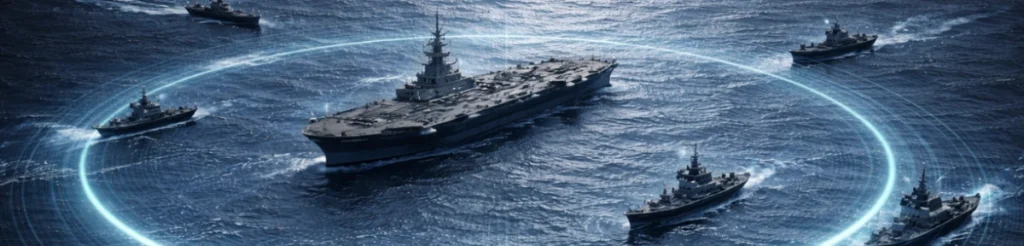
A key element of the conflict is the U.S. naval blockade imposed on Iran. This blockade has effectively restricted Iran’s ability to move ships, export oil, and conduct maritime operations.
The blockade extends across Iran’s coastline, with any unauthorized vessel at risk of interception or attack.
This has not only limited Iran’s naval movements but also contributed to the broader decline of its maritime presence. With fewer ships able to operate freely, Iran’s naval power is being squeezed both physically and economically.
Economic and Strategic Impact

The destruction of Iran’s warships has far-reaching consequences beyond the battlefield. Iran’s economy, heavily dependent on oil exports, is directly affected by disruptions in maritime activity.
Recent reports indicate that the blockade and naval losses have severely impacted Iran’s shipping capacity, with up to 90% of its oil export routes disrupted.
This economic pressure adds another layer to the conflict, as Iran faces internal challenges alongside external military threats. Rising inflation, unemployment, and supply shortages are all linked to the ongoing maritime crisis.
Global Implications

The conflict is not just a regional issue—it has global repercussions. The Strait of Hormuz remains a critical chokepoint for energy supplies, and any disruption can lead to spikes in oil prices and economic instability worldwide.
Recent developments show that tensions remain high, with Iran warning of severe retaliation if U.S. attacks continue.
This creates a volatile situation where military actions at sea could quickly escalate into a broader conflict involving multiple countries.
Not the End of Iran’s Naval Threat
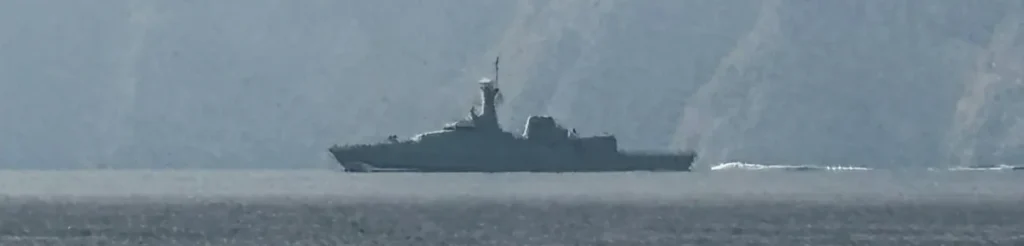
Despite the significant losses, it would be premature to conclude that Iran’s naval threat has been eliminated. While large warships have been targeted and destroyed, Iran still possesses smaller, more agile vessels operated by the Islamic Revolutionary Guard Corps.
These boats, often equipped with missiles and mines, are harder to detect and can operate effectively in the narrow waters of the Strait of Hormuz. Their presence ensures that Iran retains some level of influence and capability in the region.
This shift from conventional to asymmetric naval warfare could define the next phase of the conflict.
A War Beyond the Surface
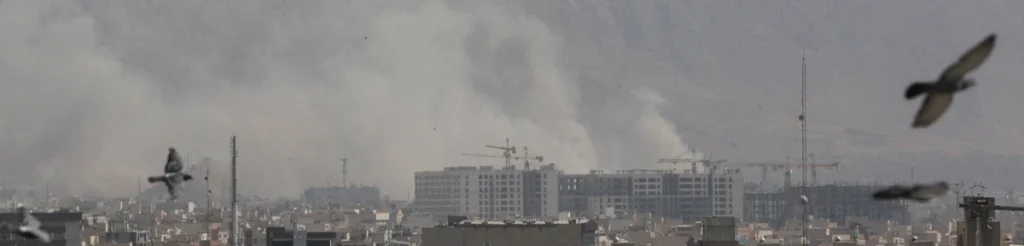
The disappearance of Iran’s warships is not just a military development—it reflects a broader strategic shift in the Middle East. The United States is leveraging its technological superiority to dominate the seas, while Iran is adapting its approach to survive under pressure.
The conflict highlights the importance of naval power in modern warfare, especially in regions where control of waterways is directly tied to economic and geopolitical stability.
Conclusion
The ongoing U.S. campaign against Iran’s naval forces has dramatically altered the balance of power in the Persian Gulf. With dozens of warships destroyed and key assets eliminated, Iran’s naval presence is rapidly diminishing.
However, the story does not end here. Iran’s ability to adapt, retaliate, and leverage unconventional tactics means that the conflict is far from over. The disappearance of its warships may mark the end of one phase—but it could also signal the beginning of a more unpredictable and complex chapter.
As the world watches closely, one thing is certain: control of the seas remains at the heart of this conflict, and its outcome will shape the future of the region for years to come.