
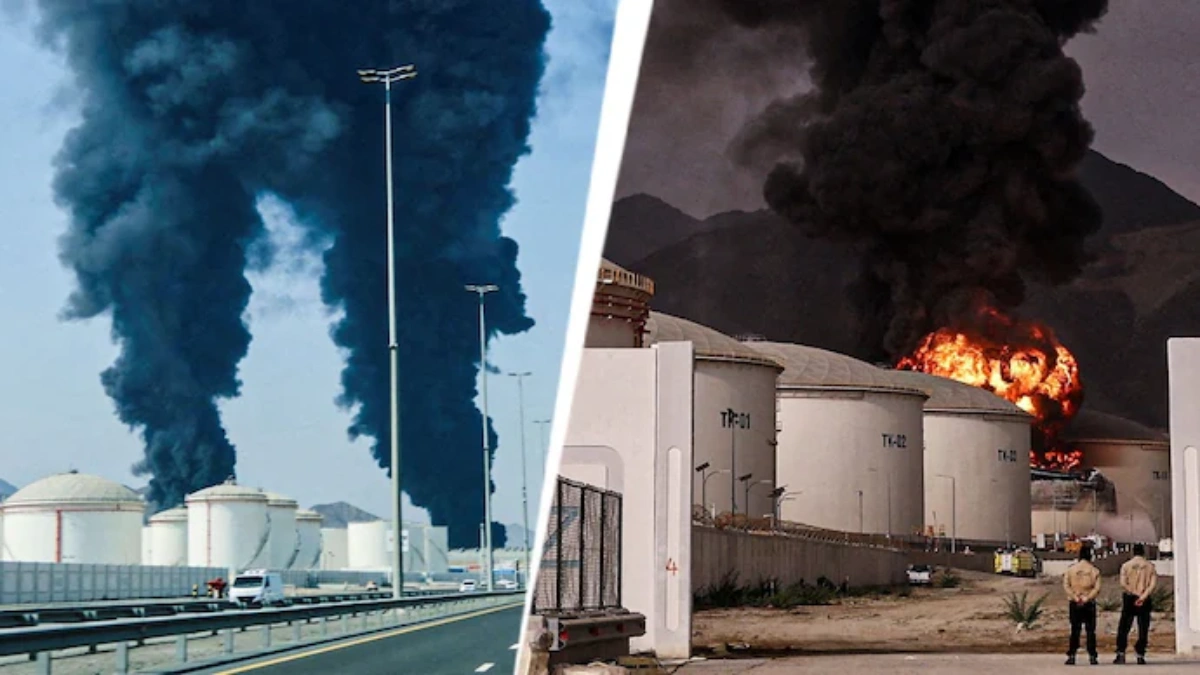
The recent missile and drone strikes by Iran on the United Arab Emirates (UAE) have shocked the world, especially because they are happening during what is officially described as a “ceasefire.” On paper, a truce exists between Iran and the United States and its allies—but on the ground, tensions are clearly escalating.
To understand this contradiction, it is important to look beyond the word “ceasefire” and examine the deeper geopolitical, economic, and strategic reasons driving Iran’s actions.
Understanding the “Ceasefire” Reality
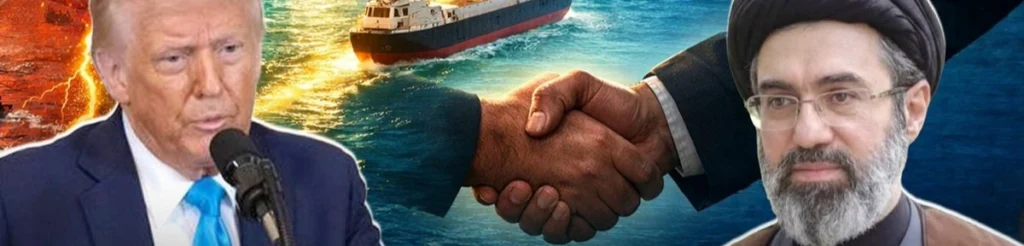
A ceasefire does not always mean complete peace. In the current Middle East conflict,
the ceasefire between Iran and the U.S. is fragile and conditional. While large-scale warfare has paused, smaller military actions, proxy conflicts, and strategic strikes continue.
Recent reports confirm that despite the truce, Iran has carried out multiple attacks on ships, oil infrastructure, and regional targets, including the UAE.
This shows that the ceasefire is more of a temporary pause in full-scale war, not a complete end to hostilities.
1. Targeting U.S. Allies in the Region
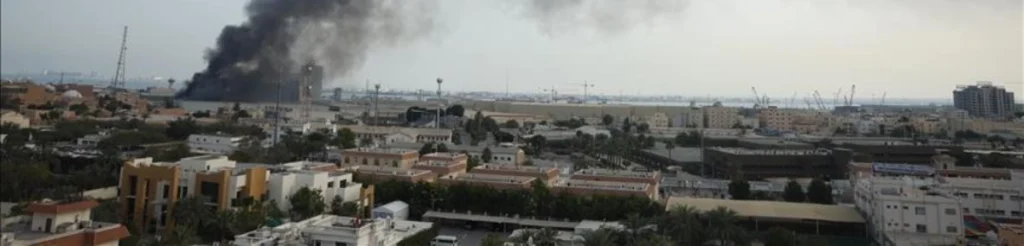
One of the biggest reasons Iran is striking the UAE is its close relationship with the United States. The UAE hosts U.S. military presence and is considered a key strategic partner in the Gulf.
Iran’s strategy is indirect: instead of attacking the U.S. directly, it targets its allies to increase pressure. According to analysis, Iran aims to raise the cost of supporting the U.S., forcing regional countries to rethink their alliances.
By hitting the UAE, Iran sends a message:
- Supporting the U.S. has consequences
- Regional allies are vulnerable
- The conflict can spread beyond direct battle zones
2. Control Over Oil and Global Energy Routes
The UAE is not just another country—it is a major global oil hub. Key facilities like the Fujairah port and oil pipelines play a crucial role in global energy supply.
Iran’s recent attacks have specifically targeted:
- Oil terminals
- Tankers
- Strategic pipelines
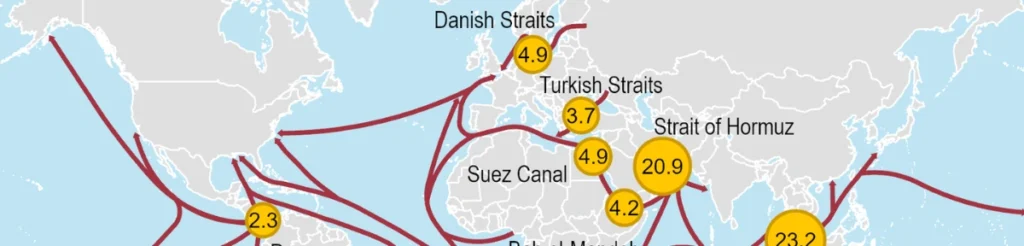
These strikes are not random. They are aimed at disrupting alternative oil routes that bypass the Strait of Hormuz—a chokepoint Iran wants to control.
By doing this, Iran:
- Increases global oil prices
- Gains leverage over global markets
- Signals its power in energy geopolitics
3. The Strait of Hormuz Power Struggle

Nearly 20% of the world’s oil supply passes through the Strait of Hormuz, making it one of the most critical maritime routes in the world.
Iran has attempted to control or block this route, while the U.S. has launched operations to keep it open. This has created direct tension.
Attacking the UAE serves a strategic purpose here:
- The UAE offers alternative routes that bypass Hormuz
- Damaging UAE infrastructure weakens these alternatives
- Iran strengthens its control over regional shipping
In short, this is not just a military conflict—it is a battle for economic dominance.
4. Sending a Global Message Through Economic Disruption

The UAE is one of the world’s most connected business hubs, especially cities like Dubai. By targeting it, Iran creates global ripple effects.
Experts suggest that Iran is deliberately trying to:
- Disrupt international trade
- Affect tourism and aviation
- Create uncertainty in global markets
This strategy increases pressure on global powers to intervene diplomatically and push for negotiations.
5. Response to Israel–UAE Relations
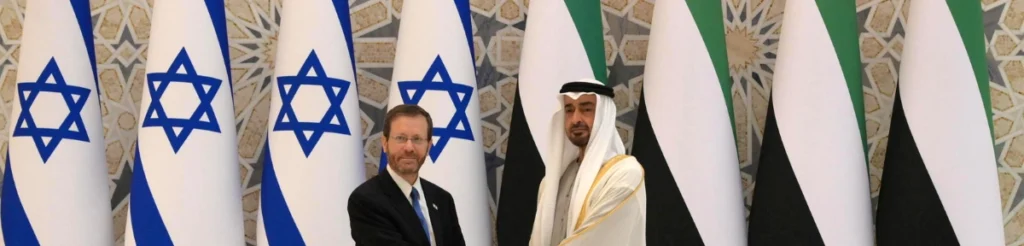
Another important factor is geopolitics involving Israel. The UAE normalized relations with Israel under the Abraham Accords, which Iran strongly opposes.
Iran sees this alignment as a threat. Attacks on the UAE can be viewed as:
- A warning against cooperation with Israel
- A move to weaken emerging alliances
- A signal of resistance against regional normalization
6. Testing the Limits of the Ceasefire
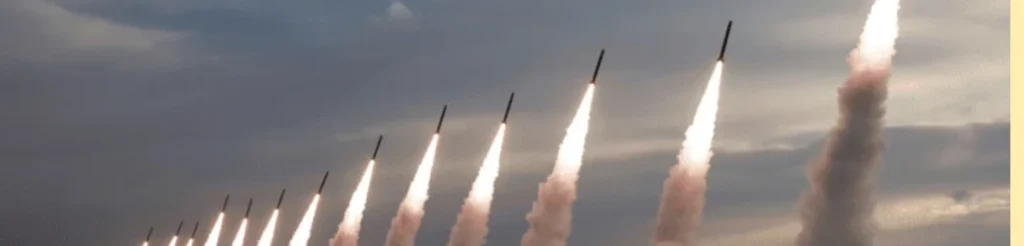
Iran’s actions also suggest a calculated strategy: testing how far it can go without triggering full-scale war.
Analysts believe Iran is:
- Conducting limited strikes
- Observing U.S. and global responses
- Expanding influence without crossing a “red line”
This gradual escalation allows Iran to strengthen its position while avoiding immediate large-scale retaliation.
7. Retaliation and Strategic Signaling
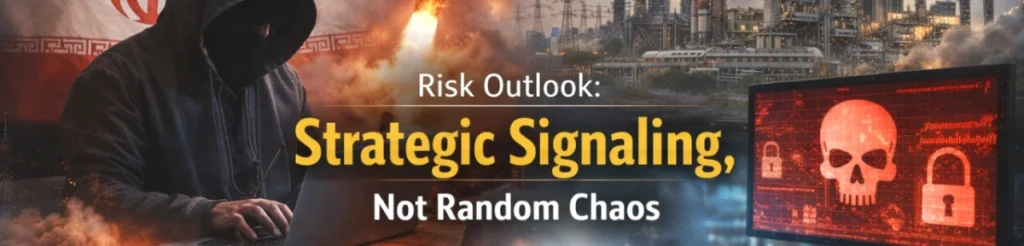
The broader conflict began with U.S. and Israeli strikes on Iran earlier in 2026. Iran’s attacks on the UAE are partly retaliatory.
But retaliation alone doesn’t explain everything. These strikes are also about strategic signaling:
- Demonstrating military capability
- Showing resilience despite sanctions and pressure
- Maintaining domestic political strength
8. UAE as a “Soft but Impactful” Target

Compared to heavily militarized countries, the UAE represents a high-value but relatively softer target.
Why UAE?
- Major economic hub
- Critical oil infrastructure
- Strong global connections
- Close ties with Western powers
This makes it an ideal target for maximum impact with controlled escalation.
9. Breakdown of Diplomatic Efforts
Peace talks and mediation efforts have struggled to make progress. Even though proposals have been discussed, no lasting agreement has been reached.
Meanwhile:
- The U.S. continues military operations in the region
- Iran maintains pressure through attacks
- Global powers are divided on how to respond
This diplomatic stalemate contributes to continued violence despite the ceasefire.
10. Impact on the Global Economy
The consequences of these attacks go far beyond the Middle East.
Already, the world is seeing:
- Rising oil prices (over $100 per barrel)
- Disrupted shipping routes
- Delayed cargo and stranded ships
- Increased fuel costs globally
This highlights how regional conflicts can quickly become global crises.
Conclusion
Iran’s strikes on the UAE during a ceasefire may seem contradictory, but they are part of a calculated geopolitical strategy. The ceasefire itself is fragile and limited, allowing space for continued low-level conflict.
The key reasons behind Iran’s actions include:
- Targeting U.S. allies
- Controlling oil and trade routes
- Challenging regional alliances
- Testing the limits of global response
Ultimately, this situation reflects a deeper truth: in modern geopolitics, ceasefires do not always mean peace—they often mark a shift from open war to strategic confrontation.
As tensions continue, the world watches closely. Whether this fragile truce holds or collapses entirely will shape not just the Middle East, but the global economic and political order in the months ahead.