
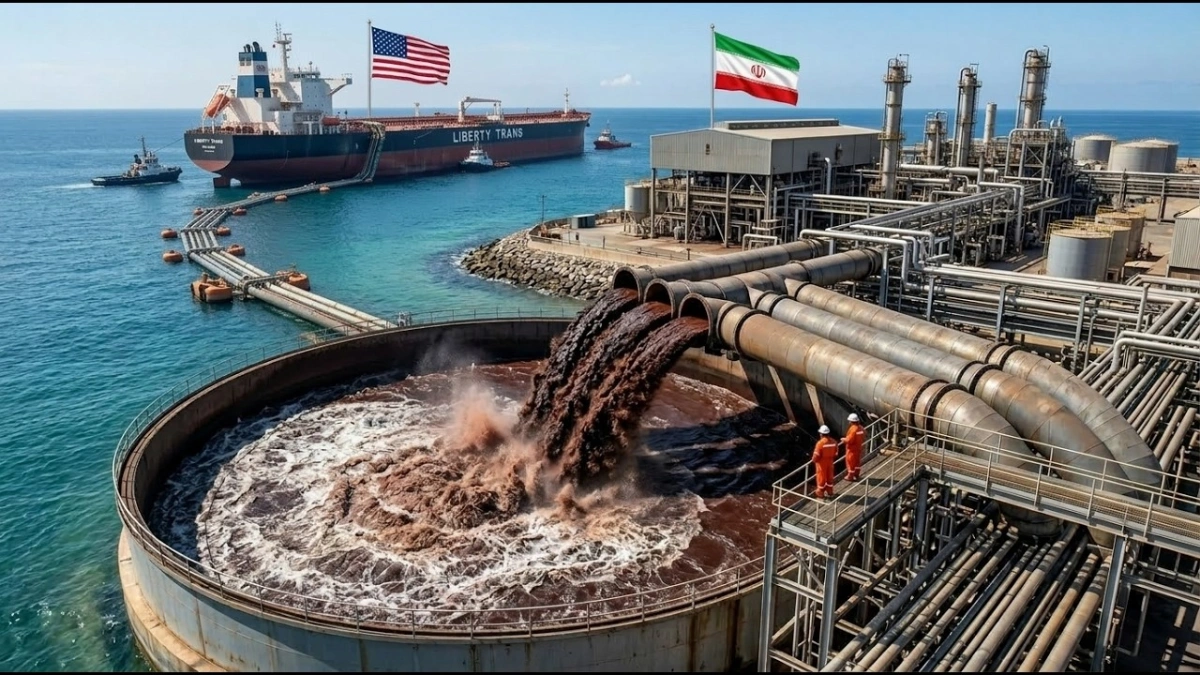
Iran is one of the most resource-rich countries in the world when it comes to energy. Sitting on one of the largest oil reserves globally, the country has long been seen as a major player in the global oil market. Estimates suggest that Iran holds over 200 billion barrels of proven oil reserves, ranking among the top three nations worldwide . This immense wealth should, in theory, make Iran one of the most prosperous nations on earth.
But history tells a very different story.
Despite its oil riches, Iran’s economic journey has been shaped by geopolitical tensions, foreign interventions, sanctions, and internal challenges. The involvement of the United States—both historically and in recent times—has played a significant role in shaping Iran’s oil industry and its global standing.
The Beginning: Oil and Foreign Interest
Iran’s oil story dates back to the early 20th century when large reserves were first discovered in 1908. Almost immediately, foreign powers—particularly Britain—recognized the strategic value of Iranian oil. Control over oil resources became a key geopolitical objective, leading to decades of external influence over Iran’s energy sector.
By the mid-20th century, oil had become central to Iran’s economy. However, much of the profit was controlled by foreign companies, leaving Iran with limited benefits from its own resources. This imbalance led to growing dissatisfaction among Iranians.
Nationalization and the First Major Conflict
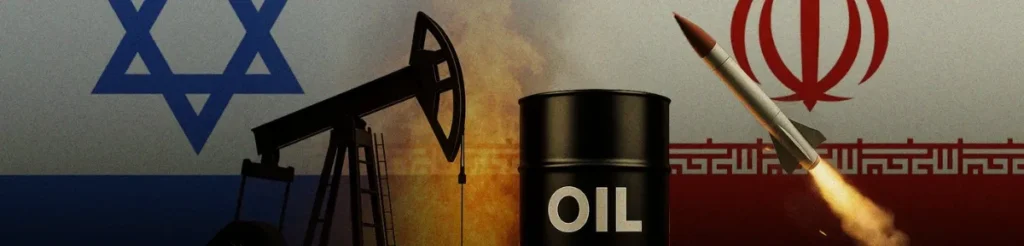
In 1951, Iran made a bold move by nationalizing its oil industry under Prime Minister Mohammad Mossadegh. This decision aimed to give Iran full control over its resources and revenues.
However, this move alarmed Western powers, especially the United States and the United Kingdom. In 1953, a coup—widely believed to be backed by the CIA and British intelligence—overthrew Mossadegh. This marked a turning point in U.S.-Iran relations and set the stage for decades of mistrust.
The Shah of Iran was reinstated, and Western influence over Iran’s oil sector resumed, although under revised agreements.
The Oil Boom—and Its Limits
During the 1960s and 1970s, Iran experienced an oil boom. Production surged, and revenues increased dramatically. At its peak in the 1970s, Iran was producing over 6 million barrels per day.
Despite this growth, the benefits were unevenly distributed. Rapid modernization, inequality, and political repression created widespread unrest.
The 1979 Revolution: A Turning Point
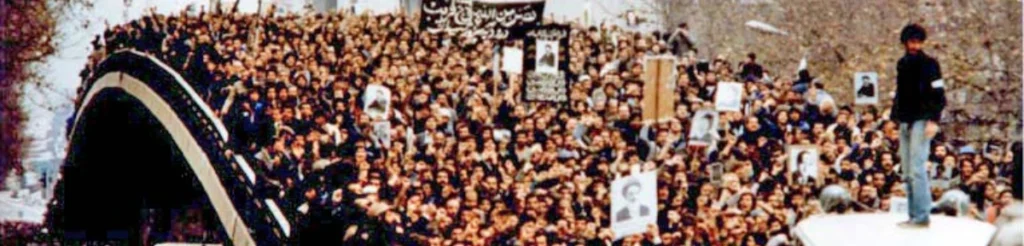
The Iranian Revolution of 1979 changed everything. The monarchy was overthrown, and Iran became an Islamic Republic. Relations with the United States deteriorated rapidly, especially after the U.S. embassy hostage crisis.
Following the revolution, the U.S. imposed sanctions on Iran. These sanctions targeted Iran’s oil industry, limiting its ability to export oil and attract foreign investment.
As a result, Iran’s oil production declined significantly. Even though the country had massive reserves, it struggled to fully utilize them due to technological and financial constraints.
Sanctions and Economic Pressure

Over the decades, U.S. sanctions have remained a constant factor affecting Iran’s economy. These sanctions have targeted oil exports, banking systems, and foreign investments.
Despite having the capacity to produce millions of barrels of oil daily, Iran’s output has often been restricted. According to energy data, Iran remains one of the world’s largest reserve holders but faces limited production due to sanctions and underinvestment .This creates a paradox:
Iran has enormous oil wealth, yet cannot fully benefit from it.
Modern Tensions and Military Involvement
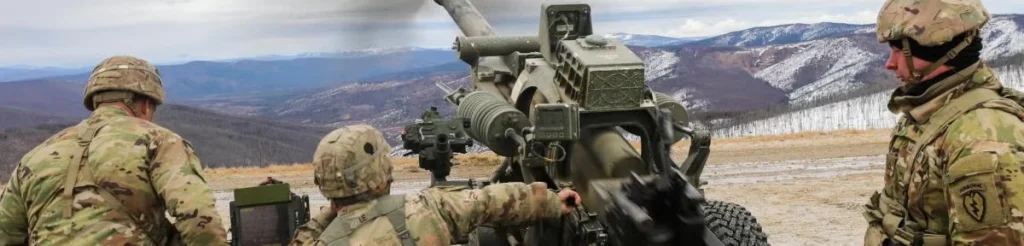
In recent years, tensions between the United States and Iran have escalated again, particularly in the Middle East. Strategic locations like the Strait of Hormuz—through which a significant portion of the world’s oil supply passes—have become flashpoints.
Recent reports indicate that U.S. actions, including naval blockades and military operations, have directly impacted Iran’s ability to export oil. For example, millions of barrels of Iranian oil have been stranded due to restrictions on shipping routes .
In some cases, Iran has been forced to store oil in tankers because it cannot sell or transport it efficiently. This situation not only affects Iran’s economy but also disrupts global oil markets.
Economic Impact on Iran
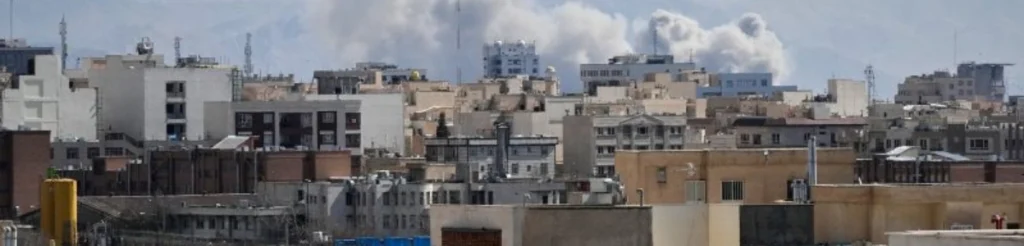
The consequences of these tensions are severe. Oil exports are a major source of revenue for Iran, and any disruption can have a significant impact on its economy.
Recent developments show:
- Oil exports dropping sharply due to blockades and sanctions
- Inflation rising rapidly
- Currency value declining
- Increased reliance on limited trade partners like China
In extreme scenarios, Iran may even have to halt oil production due to storage limitations, which could damage its oil fields permanently .
Global Implications
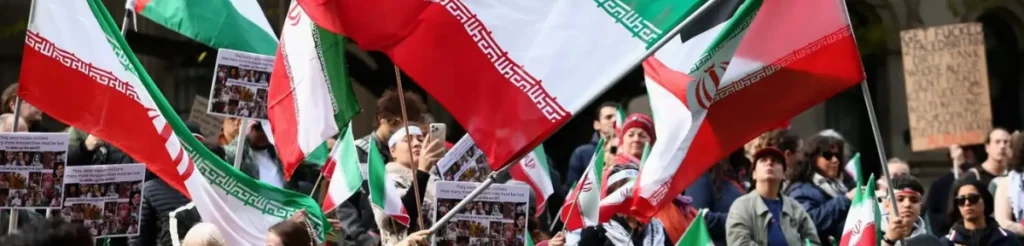
Iran’s oil is not just important for its own economy—it is crucial for the entire world. Any disruption in Iranian oil supply can lead to:
- Rising global oil prices
- Supply shortages
- Economic instability in energy-dependent countries
Recent conflicts have already caused oil prices to surge above $100 per barrel, reflecting the global importance of Iran’s oil output .
The Bigger Picture
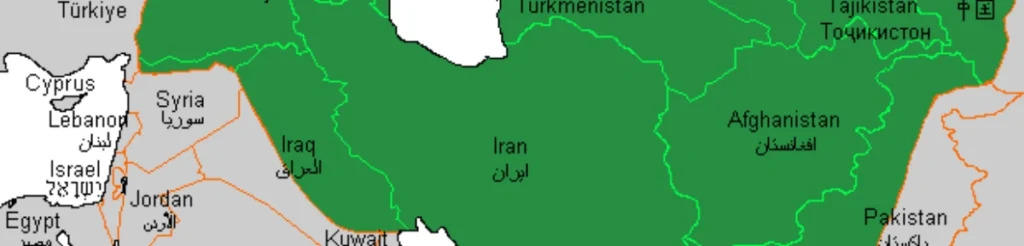
The situation highlights a larger issue: natural resources alone do not guarantee prosperity. Political stability, international relations, and economic policies play an equally important role.
Iran’s vast oil reserves—whether estimated at 125 billion or over 200 billion barrels—represent enormous potential. But geopolitical tensions, especially involving the United States, have limited the country’s ability to fully capitalize on this wealth.
Conclusion
Iran’s story is a powerful example of how geopolitics can shape a nation’s destiny. Despite sitting on one of the world’s largest oil reserves, Iran has faced decades of challenges that have prevented it from achieving its full economic potential.
The involvement of the United States—through historical events, sanctions, and modern conflicts—has been a key factor in this complex narrative.
Today, Iran remains a major energy power in theory, but in practice, its oil wealth is constrained by global politics. As tensions continue, the future of Iran’s oil industry—and its role in the global economy—remains uncertain.