
The rise of organized crime in Mexico has long been a subject of global concern, but in recent years, the power wielded by drug cartels has reached alarming levels. In many regions, these criminal organizations operate with such authority that they rival — and sometimes surpass — the influence of the state itself. Understanding how this happened requires a deep look into history, economics, politics, and the evolving nature of organized crime.
Historical Roots of Cartel Power
The origins of Mexico’s cartels can be traced back to the late 20th century, when drug trafficking routes shifted from the Caribbean to Mexico due to increased enforcement by the United States. Groups such as the Guadalajara Cartel laid the foundation for modern criminal networks. When this cartel fragmented in the late 1980s, it gave rise to powerful successors like the Sinaloa Cartel and the Tijuana Cartel.
These organizations capitalized on their geographic advantage — Mexico’s proximity to the United States, the world’s largest illegal drug market — to establish highly profitable trafficking operations.
Weak Institutions and Corruption
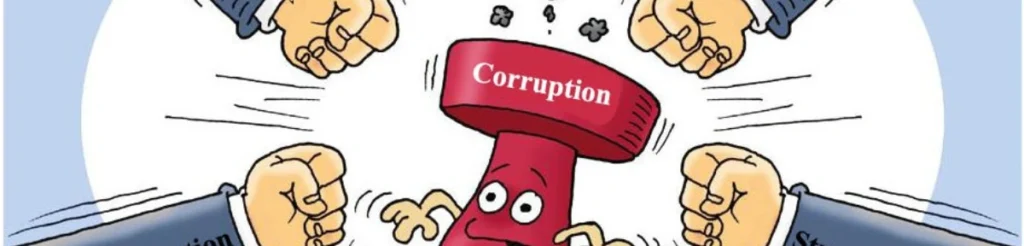
One of the key reasons cartels have grown so powerful is the weakness of state institutions. Corruption within law enforcement, judiciary systems, and political structures has allowed cartels to operate with relative impunity. In some cases, officials have been bribed or threatened into cooperation, creating a system where criminals are protected rather than prosecuted.
This erosion of institutional trust has had a cascading effect. When citizens lose faith in authorities, they are less likely to report crimes or cooperate with investigations, giving cartels even more room to expand their operations.
Economic Inequality and Recruitment

Economic disparity plays a major role in strengthening cartel influence. In rural and underdeveloped regions, job opportunities are limited, and poverty is widespread. Cartels exploit this by offering financial incentives, employment, and even a sense of belonging to young people.
For many, joining a cartel may seem like the only viable option to escape poverty. This steady supply of recruits ensures that these organizations remain well-staffed and operational, even after losses due to arrests or internal conflicts.
Diversification Beyond Drugs

While drug trafficking remains a core activity, modern cartels have diversified their operations significantly. They are now involved in human trafficking, extortion, illegal mining, fuel theft, and even legitimate businesses. This diversification has made them more resilient and harder to dismantle.
For example, some cartels control entire local economies, dictating prices, collecting “taxes,” and regulating business activities. In such areas, the cartel effectively replaces the government as the primary authority.
Militarization and Advanced Tactics

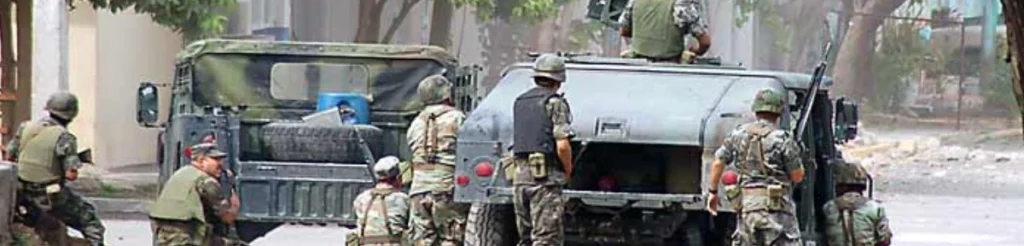
Cartels have also become increasingly militarized. Groups like the Los Zetas, originally formed by former military personnel, introduced advanced combat strategies and weaponry into organized crime. Today, many cartels possess sophisticated arms, surveillance systems, and communication technologies.
This level of firepower often surpasses that of local police forces, making direct confrontation extremely dangerous. In some regions, even the military struggles to maintain control against heavily armed cartel groups.
Control Over Territory

Territorial control is another critical factor. Cartels divide regions into zones of influence, each controlled by a specific group. Within these territories, they enforce their own rules, resolve disputes, and punish violations — often violently.
In certain areas, cartels provide basic services such as food distribution or financial assistance, especially during crises. This creates a complex relationship with local communities, where fear is mixed with dependence.
Impact of Government Policies

Efforts by the Mexican government to combat cartels have had mixed results. The “war on drugs,” launched in 2006, aimed to dismantle these organizations through military intervention. While it led to the capture or elimination of several cartel leaders, it also caused fragmentation.
Instead of weakening organized crime, this fragmentation often resulted in smaller, more violent groups competing for control. The increase in violence and instability further strained government resources and weakened its authority.
International Influence

The role of international demand, particularly from the United States, cannot be ignored. The massive demand for drugs fuels the financial power of cartels, providing them with billions of dollars annually. This money is used to expand operations, bribe officials, and invest in infrastructure.
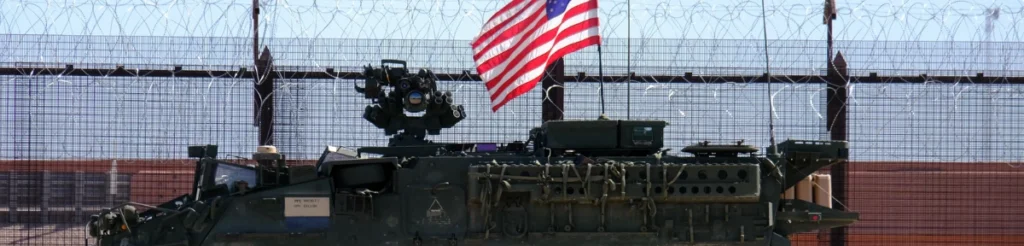
Additionally, the flow of illegal weapons from across the border has contributed to the militarization of these groups, giving them a significant advantage over local enforcement agencies.
Social and Cultural Factors

Cartels have also embedded themselves into popular culture. Through music, films, and social media, they often portray a glamorous image of wealth and power. This cultural influence can normalize or even glorify criminal behavior, especially among impressionable youth.
In some cases, cartel leaders are seen as folk heroes, particularly in communities where the government has failed to provide support or security.
Challenges in Combating Cartels
Addressing the power of cartels is an incredibly complex challenge. It requires not only strong law enforcement but also systemic reforms in governance, economic development, and social welfare.
Efforts must focus on:
- Strengthening institutions and reducing corruption
- Creating economic opportunities to reduce cartel recruitment
- Enhancing international cooperation to curb drug demand and arms trafficking
- Investing in education and community development
Without a comprehensive approach, any progress is likely to be temporary.
Conclusion
The rise of cartels in Mexico is not the result of a single factor but a combination of historical, economic, and political dynamics. Weak institutions, economic inequality, and global demand have all contributed to their growth.
Today, these organizations operate as powerful entities that challenge state authority in unprecedented ways. Reversing this trend will require sustained effort, both domestically and internationally. Until then, the influence of cartels will continue to shape the social and political landscape of Mexico, posing ongoing challenges to stability and governance.