
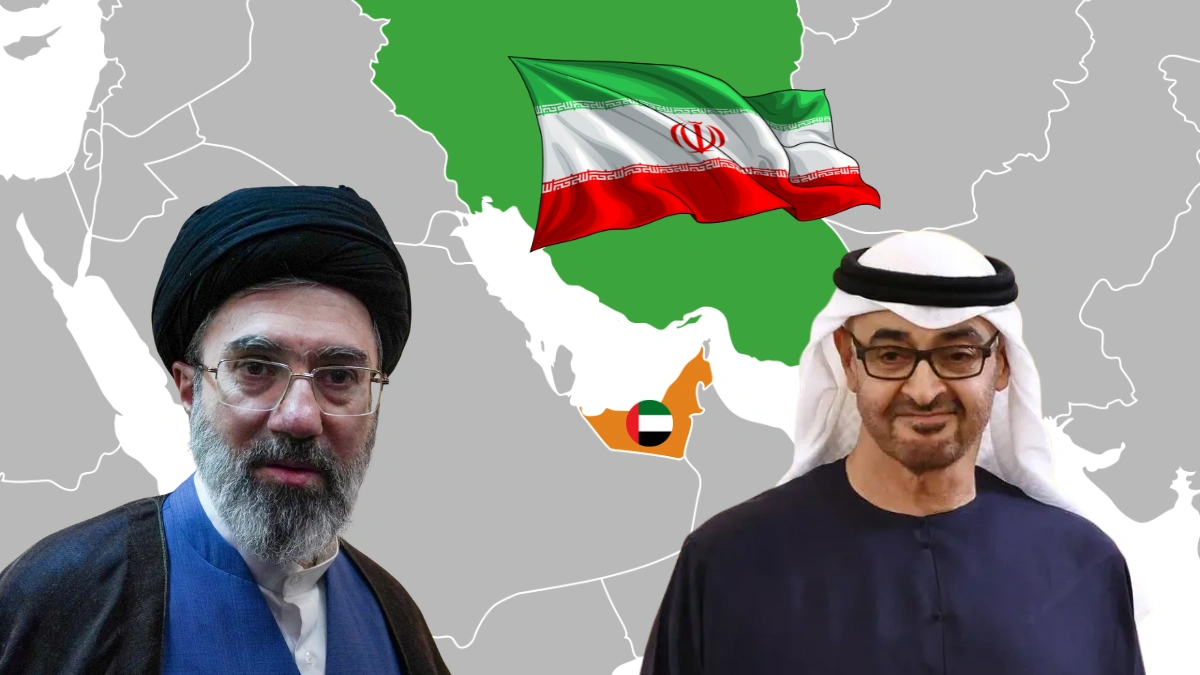
Tensions in the Middle East have escalated once again after Iran issued a sharp warning to the United Arab Emirates following explosions and military activity near the Strait of Hormuz. Iranian state-linked media claimed that the UAE could “pay the price” if reports of hostile actions connected to the recent incidents prove true.
The developments have raised serious concerns across global markets, shipping industries, and oil-producing nations because the Strait of Hormuz remains one of the world’s most important energy routes. Nearly one-fifth of the world’s oil supply passes through this narrow waterway every day, making any conflict in the region a major international issue.
What Happened Near the Strait of Hormuz?
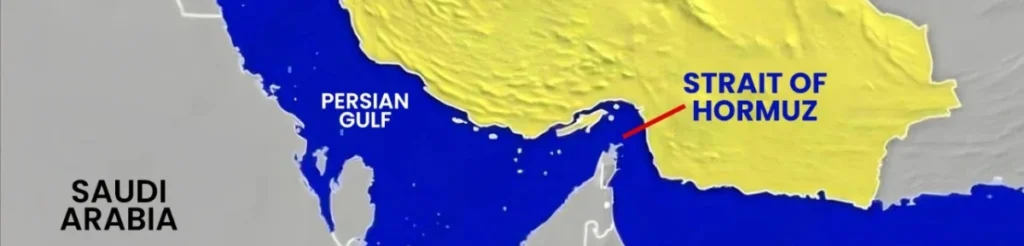
Reports from Iranian media stated that several explosions were heard near Bandar Abbas and Qeshm Island, both strategically located near the Strait of Hormuz. Iranian defense systems reportedly intercepted what authorities described as “hostile drones” operating in the area.
Iranian news agency Tasnim claimed there were “signs of hostile action” connected to the UAE and warned that Abu Dhabi would face consequences if involvement was confirmed. The warning immediately triggered fears of further escalation between Gulf nations.
At the same time, reports emerged that UAE air defense systems had intercepted missile and drone threats linked to Iran. Residents in Dubai reportedly heard explosions caused by interception systems operating in the skies above the city.
The rapidly developing situation has placed the entire Gulf region on high alert.
Why the Strait of Hormuz Matters
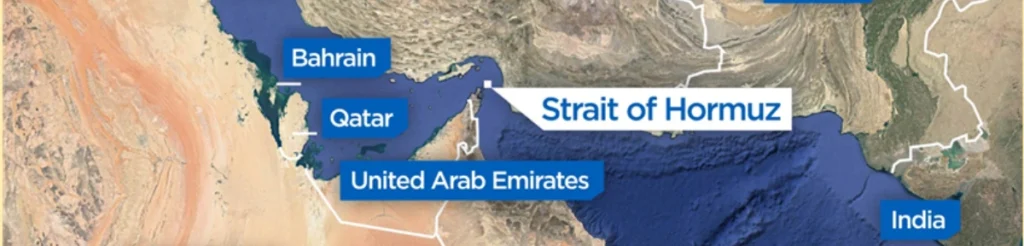
The Strait of Hormuz is one of the most strategically important waterways in the world. It connects the Persian Gulf to the Gulf of Oman and the Arabian Sea, serving as a critical route for oil exports from countries including Saudi Arabia, the UAE, Kuwait, Iraq, and Iran.
Any instability in this region immediately affects:
- Global oil prices
- Shipping routes
- International trade
- Energy security
- Financial markets
Analysts warn that prolonged military tensions could disrupt global oil supply chains and increase fuel prices worldwide. Recent reports already indicate rising shipping insurance costs and delays for commercial vessels operating in the Gulf.
Iran’s Warning to the UAE

Iran’s message toward the UAE appears connected to broader regional tensions involving the United States, Israel, and Gulf allies. Iranian officials have repeatedly warned neighboring countries against allowing their territories or infrastructure to be used for operations targeting Iran.
The latest warning follows weeks of drone strikes, tanker incidents, and military confrontations in the Gulf region. Iranian officials stated that any country participating in actions against Iran would face retaliation.
According to regional analysts, Iran views Gulf ports and oil infrastructure as highly sensitive strategic targets. Facilities in Fujairah and other UAE coastal regions have become especially important because they allow oil exports to bypass parts of the Strait of Hormuz.
This strategic importance makes them vulnerable during periods of regional conflict.
Dubai and UAE on High Alert
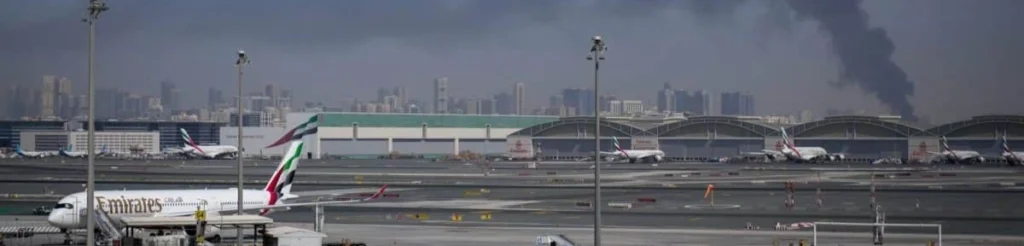
The UAE has significantly strengthened its air defense and maritime security systems in recent years. However, recent missile and drone threats have highlighted the growing risks facing Gulf cities like Dubai and Abu Dhabi.
Authorities in the UAE reportedly issued mobile alerts warning residents about possible missile threats before air defense systems intercepted incoming objects.
Although major damage has not been officially confirmed in Dubai, the psychological impact on residents and businesses has been significant. Videos and eyewitness reports circulating online showed people taking shelter as explosions echoed in the sky.
For a country known globally for tourism, luxury, and business stability, even limited military threats create major economic and political concerns.
Impact on Oil Markets
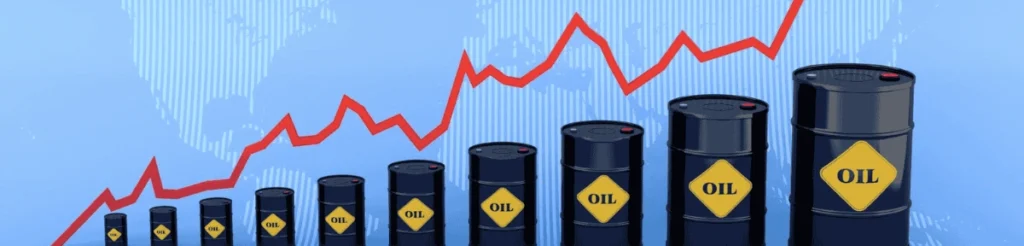
Every major incident in the Strait of Hormuz sends shockwaves through global energy markets. Following the recent tensions, oil prices reportedly surged above $100 per barrel amid fears of supply disruptions.
Shipping companies are also becoming increasingly cautious. Some tankers have reportedly changed routes, delayed departures, or increased security measures while moving through the Gulf region.
Energy experts warn that if the situation worsens, global inflation and fuel prices could rise sharply. Countries heavily dependent on Gulf oil exports would likely feel the economic impact immediately.
The Role of the United States

The United States continues to play a major role in Gulf security operations. American naval forces remain active in the region, particularly around the Strait of Hormuz.
Recent reports suggest that U.S. naval ships were involved in confrontations with Iranian forces after attacks on commercial and military vessels. Former U.S. President Donald Trump also claimed that the ceasefire between the United States and Iran technically remained intact despite military exchanges.
The growing involvement of regional and global powers increases the risk of miscalculation and unintended escalation.
Rising Fear of Regional Conflict
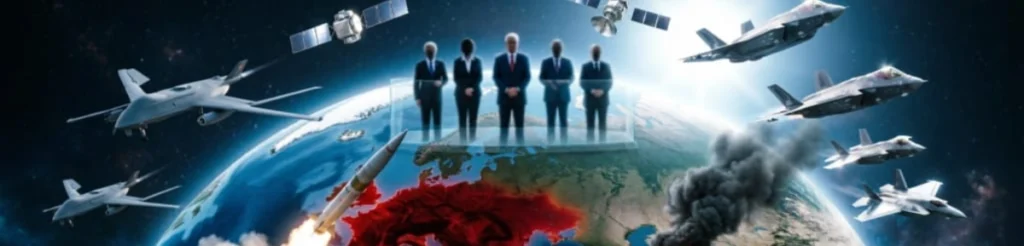
The latest Iran-UAE tensions reflect a broader instability spreading across the Middle East. Conflicts involving Iran, Israel, Hezbollah, and Western allies continue to create uncertainty across the region.
Security experts fear that even a small military incident in the Gulf could trigger a wider regional conflict involving multiple countries. The combination of drone warfare, cyber operations, missile systems, and naval confrontations has made the situation more unpredictable than ever.
Many analysts believe diplomatic negotiations remain the only realistic path to preventing a larger crisis.
Global Concerns Continue to Grow

Countries around the world are closely monitoring developments in the Gulf because of the direct impact on international trade and energy markets. Governments and businesses are particularly concerned about:
- Oil supply disruptions
- Increased shipping risks
- Rising fuel prices
- Regional instability
- Threats to civilian infrastructure
As tensions continue, international pressure for de-escalation is expected to increase.
Conclusion
Iran’s warning that the “UAE will pay” after explosions near the Strait of Hormuz has intensified fears of a broader confrontation in the Gulf region. With drone interceptions, military activity, and rising geopolitical tensions already affecting oil markets and regional security, the situation remains highly volatile.
The Strait of Hormuz remains one of the world’s most sensitive geopolitical flashpoints, and any escalation there has consequences far beyond the Middle East. While diplomatic channels remain active, the latest developments show how fragile stability in the region has become.
The coming days will likely determine whether tensions ease through negotiations or move toward a more dangerous phase of confrontation.