
Growing tensions between the United States and China have once again shifted global attention toward one of the world’s most vulnerable and least discussed strategic assets — undersea internet cables. Experts are warning that any disruption to these cables could trigger economic chaos worth nearly $10 trillion, especially as high-stakes talks between Donald Trump and Xi Jinping continue to shape the future of global relations.
Undersea cables may not receive as much attention as warships or missiles, but they form the backbone of the global digital economy. More than 95% of international internet traffic travels through these deep-sea fiber-optic systems. From banking transactions and military communications to cloud computing and stock trading, nearly every part of the modern world depends on them.
Now, rising fears over China’s growing maritime capabilities and strategic influence have intensified concerns about what could happen if these cables become targets during geopolitical conflicts.
Why Undersea Cables Matter So Much

The world’s economy depends heavily on uninterrupted digital connectivity. Undersea cables connect continents and allow trillions of dollars in financial transactions to occur every day.
Major industries relying on these cables include:
- International banking
- Stock markets
- Cloud services
- Government communications
- Military coordination
- Artificial intelligence infrastructure
- Global e-commerce platforms
A major disruption could freeze global markets within hours. Analysts estimate that damage to critical cable networks could threaten nearly $10 trillion in economic activity due to halted financial systems, disrupted trade, and communication breakdowns.
According to reports from the Center for Strategic and International Studies, growing geopolitical competition in the Indo-Pacific has increased the strategic importance of these digital routes.
Why China Is Being Viewed as a Threat

Concerns surrounding China are linked to its rapidly expanding naval power, cyber capabilities, and influence over global infrastructure projects.
Western intelligence agencies have repeatedly warned that China could potentially use commercial or research vessels to monitor, interfere with, or damage undersea communication systems during periods of conflict. Several recent incidents involving damaged cables near Taiwan and in parts of the South China Sea have added to these concerns.
Although direct evidence linking China to intentional sabotage remains disputed, many governments are becoming increasingly cautious.
China has strongly denied accusations that it poses a threat to global communication infrastructure. Chinese officials argue that Western countries are using security fears as part of broader economic and technological competition.
Still, military analysts believe undersea cables are becoming a critical part of modern hybrid warfare strategies.
Trump-Xi Talks Add More Pressure

The timing of these fears is especially significant because diplomatic and economic discussions between Donald Trump and Xi Jinping are expected to influence trade, security, and technology policies between the world’s two largest economies.
Trade tensions between the United States and China have already affected:
- Semiconductor manufacturing
- Artificial intelligence development
- Technology exports
- Supply chains
- Global investment markets
Now, communication infrastructure security is becoming another major issue.
American lawmakers have pushed for stronger protections around cable systems connecting the United States and its allies. Some officials are also demanding restrictions on Chinese involvement in future undersea cable projects.
Experts say the outcome of future U.S.-China negotiations could shape the digital security landscape for years.
Taiwan Remains a Major Flashpoint
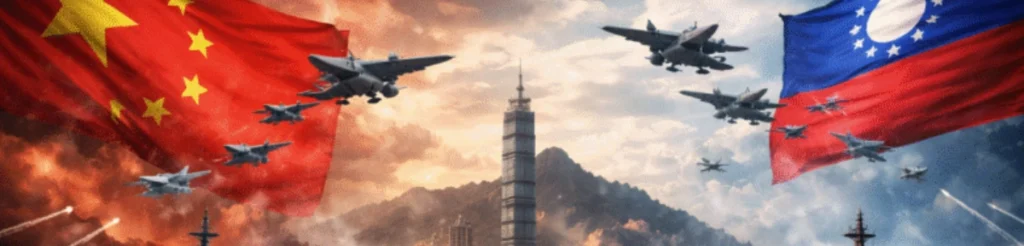
Taiwan plays a central role in many of these concerns. The island relies heavily on undersea cables for internet and communications connectivity with the rest of the world.
In recent years, Taiwan has experienced multiple cable disruptions, some caused by fishing vessels and maritime accidents. However, these incidents have intensified fears that communication systems could become vulnerable during a future military confrontation between China and Taiwan.
Security analysts warn that cutting or damaging cables could isolate regions digitally without requiring direct military invasion.
This possibility has encouraged countries across Asia and the West to invest in backup satellite communication systems and alternative digital infrastructure routes.
Global Economic Risks

The global economy has become deeply dependent on digital systems. Financial institutions process billions of transactions every minute using international networks connected through undersea cables.
If major cable systems were disrupted:
- Stock markets could freeze
- Banking systems could fail temporarily
- Airlines and shipping logistics could face delays
- Cloud platforms could experience outages
- Government communication systems could be disrupted
Technology companies such as Google, Microsoft, and Meta have invested heavily in private cable systems to reduce risks and improve global connectivity.
However, experts say even advanced backup systems cannot fully replace major transoceanic networks if large-scale disruptions occur.
Military and Cybersecurity Implications
Modern warfare increasingly involves digital infrastructure. Military planners now consider communication cables as important as ports, airbases, and energy facilities.
NATO and Indo-Pacific allies have reportedly increased monitoring around strategic maritime routes. Several countries are also expanding underwater surveillance programs to detect suspicious activity near critical cable systems.
Cybersecurity experts warn that future conflicts may combine cyberattacks with physical infrastructure sabotage, creating widespread confusion and economic instability.
Because undersea cables are difficult to monitor across vast ocean distances, protecting them remains a major challenge.
China’s Global Infrastructure Expansion

China’s Belt and Road Initiative has already expanded Beijing’s influence across ports, telecommunications, railways, and energy projects worldwide.
Chinese companies have also become involved in building and maintaining parts of the global undersea cable network.
While China describes these projects as economic partnerships, some Western governments fear the infrastructure could provide strategic advantages during geopolitical crises.
As competition between China and the United States grows, technology infrastructure is increasingly becoming part of national security debates.
The Future of Global Connectivity

Countries worldwide are now reevaluating how to secure digital infrastructure against future threats.
Possible solutions include:
- Building additional cable routes
- Expanding satellite internet systems
- Increasing naval surveillance
- Creating rapid cable repair capabilities
- Strengthening international cybersecurity cooperation
Some experts believe future internet infrastructure may become more decentralized to reduce dependence on a limited number of vulnerable routes.
However, creating entirely secure global communication systems remains extremely difficult.
Conclusion
Fears surrounding China’s potential undersea cable threat highlight how vulnerable the modern world has become to infrastructure disruption. With nearly every major industry relying on global digital connectivity, damage to critical cable networks could trigger economic consequences worth trillions of dollars.
As Donald Trump and Xi Jinping prepare for future discussions involving trade, security, and technology, undersea cable protection is emerging as a major geopolitical issue. The debate is no longer only about military power or tariffs — it is also about control over the digital systems that keep the global economy functioning.
In the years ahead, protecting undersea infrastructure may become just as important as defending borders, airspace, and energy supplies in an increasingly connected world.