
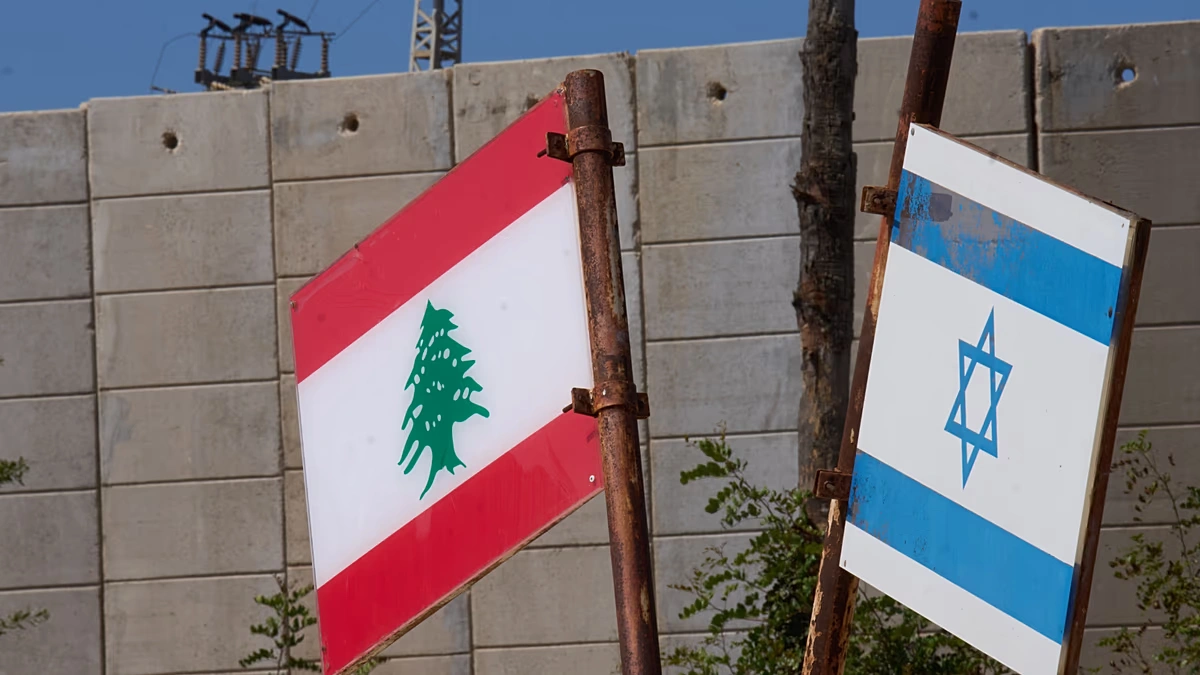
Tensions between Israel and Lebanon have once again taken center stage after an Israeli minister publicly urged Prime Minister Benjamin Netanyahu to cancel the existing agreement with Lebanon. The demand comes amid renewed security concerns, cross-border exchanges of fire, and growing political pressure within Israel. As the conflict along the northern border continues to evolve, debates over military strategy and diplomatic agreements have intensified.
The latest call reflects the broader divisions within Israel’s political leadership over how to respond to security threats from Lebanon, particularly those involving Hezbollah. While some leaders advocate for maintaining diplomatic arrangements to prevent further escalation, others argue that existing agreements have failed to guarantee Israel’s security.
Background of the Agreement

The agreement between Israel and Lebanon was designed to reduce tensions and establish a framework for stability in disputed areas. Although the two countries do not maintain formal diplomatic relations, various understandings—often brokered with international mediation—have sought to prevent direct military confrontation.
One of the most notable agreements in recent years focused on maritime boundaries in the Mediterranean Sea. The deal allowed both nations to move forward with offshore energy exploration while reducing the risk of conflict over disputed waters.
However, despite these diplomatic efforts, security challenges along the land border have continued. Frequent exchanges of fire, surveillance activities, and military operations have kept tensions high.
Why the Minister Wants the Agreement Cancelled

According to the minister, recent developments demonstrate that the agreement has not achieved its intended purpose. The main arguments include:
- Continued attacks originating from southern Lebanon.
- Increased military activity by Hezbollah.
- Growing concerns over civilian safety in northern Israel.
- The belief that diplomatic agreements have not deterred hostile actions.
Supporters of cancelling the agreement argue that Israel should adopt a tougher security policy and avoid commitments that they believe limit military flexibility.
Netanyahu Faces Political Pressure
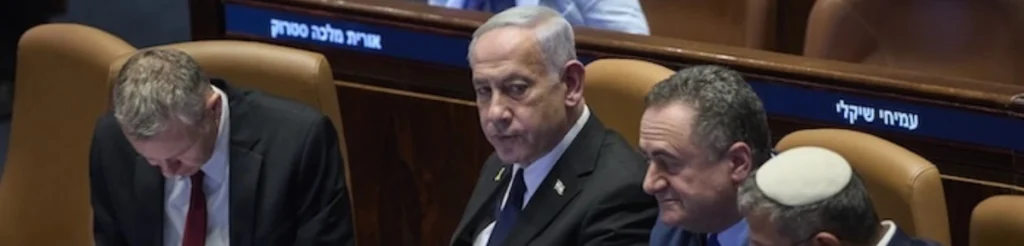
Prime Minister Benjamin Netanyahu now finds himself balancing competing priorities.
On one hand, maintaining international agreements helps preserve diplomatic credibility and may reduce international criticism. On the other hand, domestic political allies are demanding stronger military responses to ongoing security threats.
The Israeli government has consistently stated that protecting its citizens remains its highest priority. However, deciding whether to preserve or cancel agreements involves military, political, diplomatic, and economic considerations.
Security Situation Along the Border
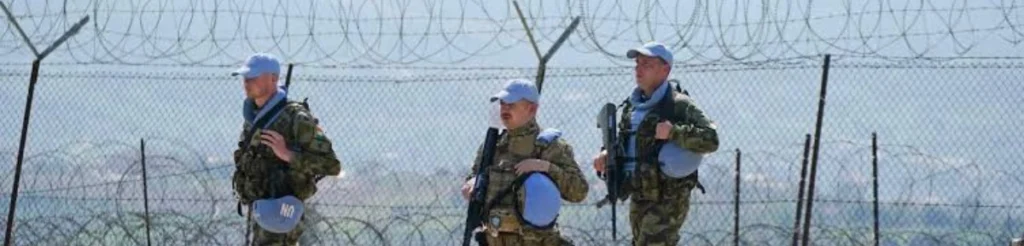
Israel’s northern border has experienced repeated periods of instability over the past several months.
Military officials continue monitoring:
- Rocket launches.
- Drone activity.
- Cross-border infiltration attempts.
- Hezbollah military movements.
- Israeli defensive operations.
Thousands of civilians living near the border have experienced disruptions, with many communities facing evacuation orders during periods of heightened conflict.
The situation remains fluid, with military operations often responding to rapidly changing developments.
Hezbollah’s Role
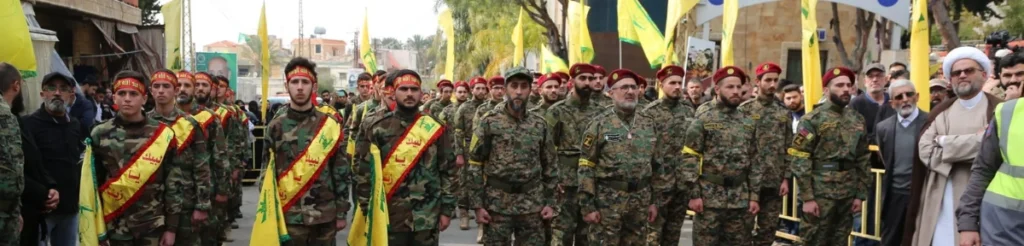
Hezbollah remains one of the most influential armed groups in Lebanon.
The organization maintains significant military capabilities, including:
- Precision-guided missiles.
- Long-range rockets.
- Drones.
- Underground infrastructure.
- Advanced surveillance systems.
Israel considers Hezbollah one of its primary security threats.
Hezbollah, meanwhile, says its actions are part of broader regional resistance efforts and has linked its operations to developments elsewhere in the Middle East.
International Concerns
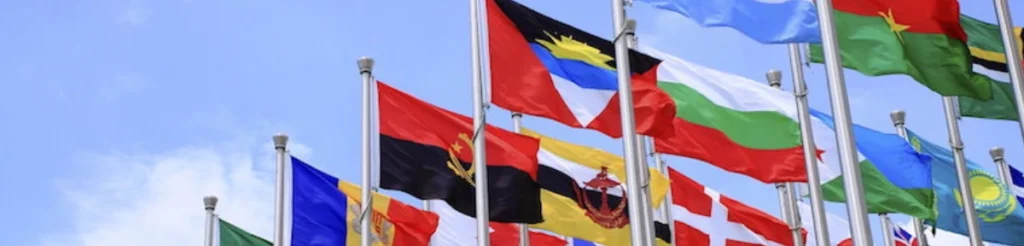
The international community has repeatedly called for restraint.
Countries including the United States, France, and several European nations have urged both sides to avoid actions that could trigger a wider regional conflict.
The United Nations has also expressed concern over repeated violations along the border, emphasizing the importance of respecting existing ceasefire arrangements.
Diplomatic efforts continue behind the scenes to prevent escalation.
Economic Impact

Any decision to cancel agreements could carry significant economic implications.
Potential consequences include:
- Increased investor uncertainty.
- Delays in regional energy projects.
- Higher security expenditures.
- Greater pressure on financial markets.
- Reduced confidence in regional stability.
For Israel, maintaining economic growth while addressing national security remains a delicate balance.
Political Debate Inside Israel
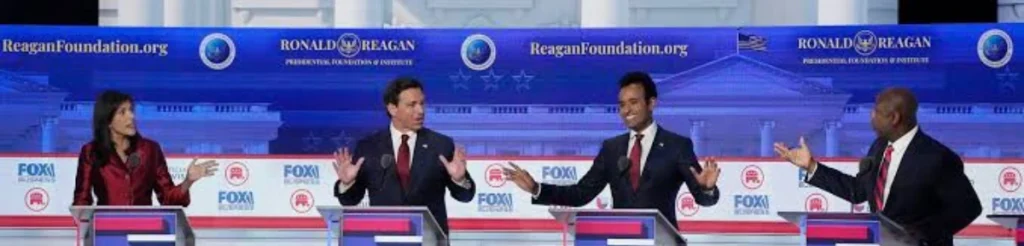
The issue has sparked intense debate among Israeli politicians.
Those favoring cancellation argue:
- Security should take precedence over diplomacy.
- Agreements have failed to prevent attacks.
- Israel must retain maximum operational freedom.
Others believe:
- Diplomatic agreements reduce long-term risks.
- International partnerships remain valuable.
- Escalation could result in prolonged military conflict.
The discussion reflects broader differences over national security policy and regional diplomacy.
Lebanon’s Position

Lebanese officials have consistently emphasized their commitment to protecting national sovereignty while calling for respect for international agreements.
However, Lebanon faces its own internal political and economic challenges, making regional stability increasingly important for its recovery efforts.
The Lebanese government has also faced criticism regarding its ability to control armed groups operating within its territory.
Regional Implications
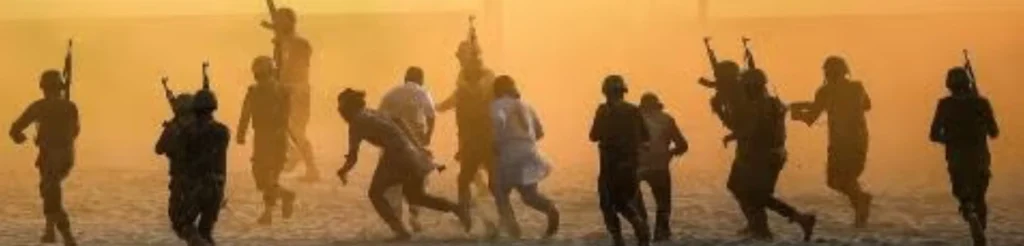
Any significant policy change could affect the broader Middle East.
Neighboring countries are closely watching developments, as increased tensions between Israel and Lebanon could influence:
- Regional security cooperation.
- Energy markets.
- Diplomatic negotiations.
- Military alliances.
- Humanitarian conditions.
The situation also intersects with ongoing geopolitical tensions involving Iran and other regional actors.
Military Considerations
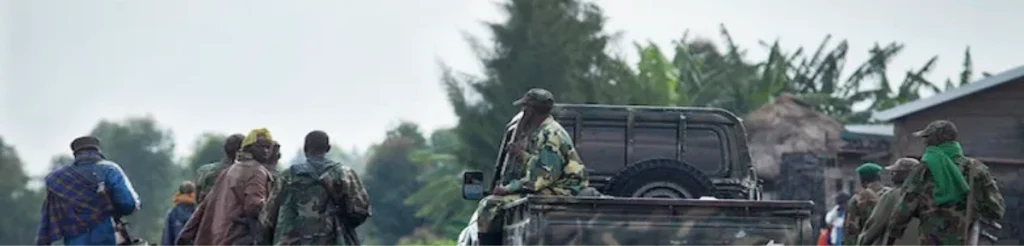
Security analysts note that cancelling agreements alone may not fundamentally alter realities on the ground.
Military planners typically evaluate:
- Intelligence capabilities.
- Defensive preparedness.
- Civilian protection.
- International reactions.
- Long-term strategic objectives.
A comprehensive security strategy often combines military readiness with diplomatic engagement.
Possible Outcomes

Several scenarios remain possible:
1. Agreement Remains in Place
The government may decide that preserving diplomatic arrangements offers greater long-term stability despite ongoing security concerns.
2. Agreement Is Modified
Officials could seek revisions or additional security provisions without completely abandoning existing understandings.
3. Agreement Is Cancelled
If political pressure increases, Israel could formally withdraw from aspects of the agreement, potentially leading to renewed diplomatic tensions.
4. Increased Military Operations
Regardless of the agreement’s status, Israel may intensify military operations if security threats continue.
Looking Ahead
The coming weeks are likely to be significant for Israeli security policy. Prime Minister Netanyahu will need to weigh domestic political demands against diplomatic commitments and military assessments. Any decision regarding the Lebanon agreement will likely have consequences extending beyond the immediate border, influencing regional stability and international diplomacy.
While calls for cancelling the agreement reflect genuine security concerns voiced by some Israeli officials, others argue that maintaining channels for dialogue remains essential to preventing broader conflict. As tensions continue, the challenge for policymakers will be finding a balance between ensuring national security and avoiding further escalation in an already volatile region.
The developments underscore the fragile nature of Middle Eastern geopolitics, where military actions, political decisions, and diplomatic agreements remain deeply interconnected. The international community will continue monitoring events closely, hoping that dialogue and restraint can prevent another major escalation along one of the region’s most sensitive frontiers.