
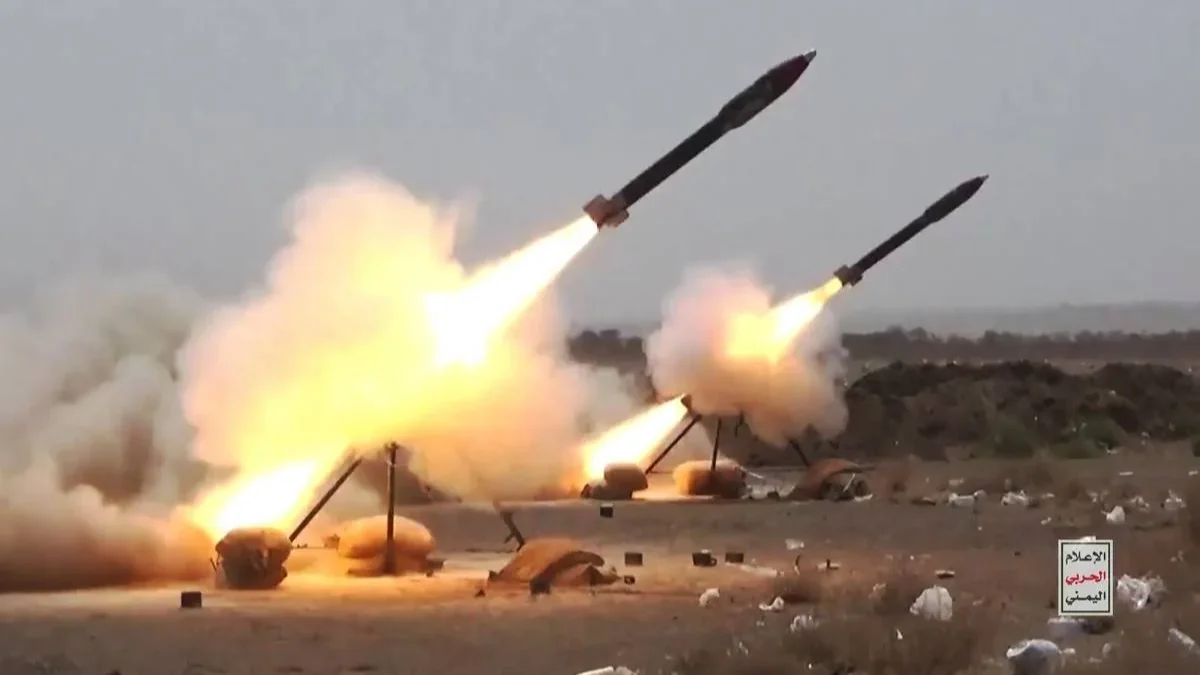
Saudi Arabia’s air defense forces have reportedly intercepted Houthi missiles over the capital, Riyadh, highlighting ongoing security concerns across the Middle East. The incident underscores the continuing threat posed by missile and drone attacks in the region, where tensions involving Yemen, Saudi Arabia, Iran, Israel, and other regional powers continue to shape the security landscape.
Missile interceptions are significant not only for Saudi Arabia’s national security but also for regional stability, international trade, and global energy markets. The Middle East remains a strategically important region because of its major oil-producing countries and vital shipping routes.
As tensions continue, governments across the region are strengthening defense systems, monitoring potential threats, and coordinating security responses to prevent further escalation.
Saudi Arabia Intercepts Houthi Missiles Over Riyadh
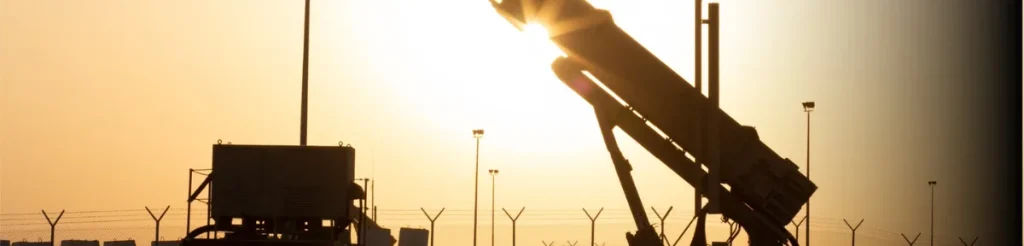
Saudi Arabia has reported that its air defense systems intercepted Houthi missiles over the capital and other areas. Such incidents highlight the importance of advanced air defense technology in protecting populated areas, government infrastructure, and critical facilities from aerial threats.
Riyadh, Saudi Arabia’s political and economic center, is particularly important for national security. Any missile threat directed toward the capital raises concerns about the safety of residents, the protection of essential infrastructure, and the potential economic consequences of an attack.
Air defense systems are designed to detect, track, and intercept incoming missiles before they reach their intended targets. Their effectiveness depends on early warning systems, radar coverage, interceptor technology, and coordination between military units.
However, the details of any reported interception, including the number of missiles involved, their intended targets, and the extent of any damage, must be confirmed through official statements and reliable news reporting.
Who Are the Houthis?
The Houthis, also known as Ansar Allah, are an armed political and religious movement that emerged in Yemen. The group gained control of Yemen’s capital, Sanaa, in 2014, triggering a prolonged conflict involving Yemen’s internationally recognized government and several regional actors.
Saudi Arabia intervened militarily in Yemen in 2015 as part of a coalition supporting the internationally recognized government. The conflict subsequently developed into a wider regional security issue, with missile and drone attacks becoming important elements of the confrontation.
The Houthis have developed or acquired capabilities to launch missiles and unmanned aerial vehicles against targets in Yemen and neighboring countries. Saudi Arabia has faced threats to military installations, energy infrastructure, airports, and other strategic locations during the conflict.
The movement has also become a significant actor in regional tensions linked to Iran and maritime security in the Red Sea. Although the Houthis and Iran share political and strategic interests, the precise nature of their support and operational relationship varies by capability and circumstance.
Why Are Houthi Missile Attacks a Concern for Saudi Arabia?
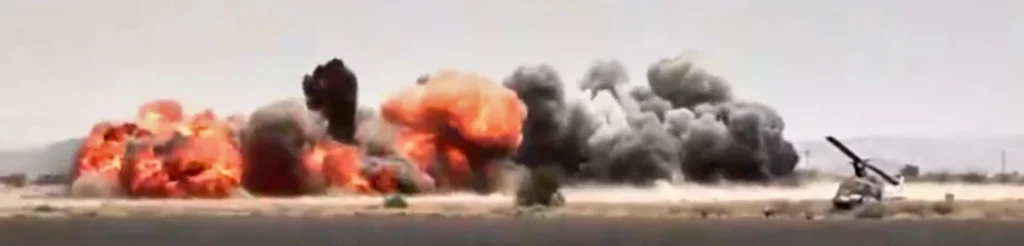
Missile attacks create several security challenges for Saudi Arabia.
1. Threats to civilian safety
Missiles targeting or passing over populated areas can cause fear among residents and potentially lead to casualties or damage if interception fails. Even when air defense systems successfully neutralize a threat, falling debris can create additional risks.
2. Protection of critical infrastructure
Saudi Arabia depends on energy facilities, transportation networks, airports, and industrial installations to support its economy. Attacks against these assets could disrupt essential services and affect economic activity.
3. Regional military escalation
A missile attack can increase pressure on governments to respond militarily or diplomatically. Retaliatory actions may widen an existing conflict and create new security challenges for neighboring countries.
4. Economic uncertainty
Security incidents can influence investor confidence, insurance costs, transportation planning, and perceptions of regional risk. Repeated attacks may also increase spending on defense and emergency preparedness.
For these reasons, missile interception is part of a broader national security strategy involving intelligence, diplomacy, military readiness, and regional cooperation.
Saudi Arabia’s Air Defense Capabilities
Saudi Arabia has invested significantly in air defense systems to protect its territory from ballistic missiles, cruise missiles, and drones.
These systems use radar and other sensors to identify potential threats, estimate their trajectories, and determine whether interception is necessary. Depending on the threat, military operators may use different types of interceptors or other defensive measures.
Layered air defense is especially important because no single system can provide complete protection against every type of aerial attack. Different systems are designed to engage threats at different distances and altitudes.
Saudi Arabia has acquired advanced defense equipment from international suppliers, including systems designed to intercept ballistic missiles. Its defense planning also involves surveillance, early warning, command-and-control capabilities, and cooperation with international partners.
Nevertheless, sophisticated defense systems require continuous maintenance, adequate interceptor supplies, trained personnel, and reliable intelligence. Large-scale or repeated attacks can place considerable pressure on these resources.
Wider Middle East Security Concerns
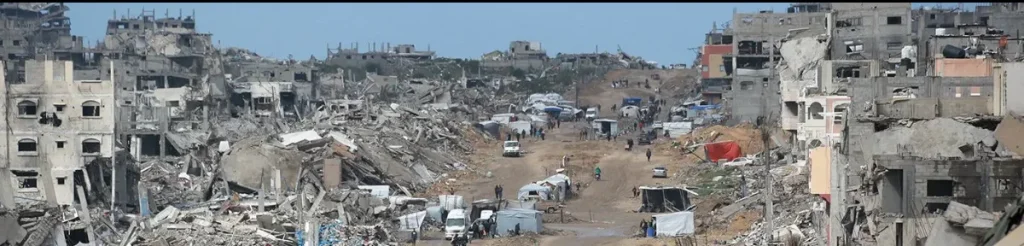
The reported interception comes against the backdrop of wider instability across the Middle East. Conflicts and rivalries involving Iran, Israel, Yemen, and other regional actors have increased concerns about the possibility of military escalation.
The region’s security environment is interconnected. An incident in one country can affect military planning, diplomatic relations, shipping operations, and energy markets elsewhere.
Saudi Arabia has pursued diplomatic initiatives aimed at reducing regional tensions, including efforts to improve relations with Iran and support negotiations concerning Yemen. However, diplomatic progress can remain vulnerable to renewed attacks, disagreements between armed groups, and broader geopolitical developments.
The continuation of missile threats presents a challenge for regional governments seeking to balance military preparedness with diplomatic engagement.
A lasting reduction in these threats would likely require progress on Yemen’s political conflict, stronger regional communication, and arrangements to prevent attacks across international borders.
Impact on Global Oil Markets and Trade
Saudi Arabia is one of the world’s most important oil producers, making its security situation relevant to the global economy.
Any threat to Saudi energy infrastructure can raise concerns about potential disruptions to oil production, exports, and transportation. Even when an attack is intercepted and oil facilities remain unaffected, uncertainty may influence market expectations.
However, an interception does not automatically mean that oil supplies have been disrupted or that prices will rise. The actual market impact depends on the location of the incident, any damage, the scale of the threat, and the broader supply-and-demand environment.
Maritime security is another major concern. The Red Sea and the Bab el-Mandeb Strait are important routes for international trade, connecting shipping lanes between Europe and Asia through the Suez Canal.
Houthi attacks on commercial shipping in the Red Sea have previously prompted international military responses and caused some shipping companies to reconsider their routes. Longer journeys around Africa can increase fuel costs, delivery times, and freight expenses.
Consequently, security developments involving the Houthis can have implications extending well beyond Yemen and Saudi Arabia.
International Response and Diplomatic Challenges

Missile threats across the Middle East often prompt international concern because of their potential to destabilize the region and disrupt global commerce.
Countries with economic or security interests in the Gulf may support intelligence sharing, defensive cooperation, maritime protection, and diplomatic efforts to prevent escalation.
At the same time, international responses must account for the complexity of the Yemen conflict. Military measures may reduce certain immediate threats, but they do not necessarily resolve the political, economic, and humanitarian conditions underlying the conflict.
Diplomatic engagement, negotiations, and mechanisms for reducing cross-border attacks remain important components of any long-term solution.
Saudi Arabia’s security priorities therefore involve both protecting its population and infrastructure in the short term and supporting efforts to establish greater stability in the region.
What Could Happen Next?
The next developments will depend on the confirmed details of the reported interception, the Houthis’ subsequent actions, and the responses of Saudi Arabia and other regional actors.
Several possibilities remain:
- Continued defensive operations: Saudi Arabia may maintain heightened monitoring and readiness to respond to further aerial threats.
- Diplomatic engagement: Regional governments may pursue discussions intended to prevent renewed attacks and reduce the risk of escalation.
- Greater security cooperation: Intelligence sharing and coordination among regional and international partners may remain important.
- Economic monitoring: Energy markets and shipping companies may continue assessing whether security developments affect supply routes or operating costs.
These are possible scenarios rather than confirmed predictions. The situation will depend on reliable updates from official authorities and established news organizations.
Conclusion
Saudi Arabia’s reported interception of Houthi missiles over Riyadh and other areas highlights the continuing security challenges facing the Middle East. Missile and drone threats place pressure on national defense systems, increase concerns about civilian safety, and create uncertainty for regional stability and international trade.
Although air defense technology can reduce the danger posed by incoming attacks, lasting security requires more than military interception. Diplomatic engagement, progress toward resolving the Yemen conflict, and stronger regional cooperation will be essential to reducing the risk of further escalation.
For Saudi Arabia and its neighbors, the priority remains protecting civilians, securing critical infrastructure, maintaining economic stability, and preventing regional tensions from developing into a wider conflict.
Editorial note: Verify the specific interception, date, number of missiles, and official statements against current reliable reporting before publishing this article as breaking news.