
The Strait of Hormuz is one of the world’s most important energy transportation routes. It connects the Persian Gulf with the Gulf of Oman and the Arabian Sea, making it a critical passage for international oil and liquefied natural gas (LNG) shipments.
Recent reports that LNG traffic through the Strait of Hormuz has reached its highest level since the Iran war began highlight an important development in global energy trade. The increase in vessel movements could indicate improving shipping activity, changing trade patterns, and renewed efforts by energy companies to maintain supplies despite regional tensions.
However, higher traffic does not necessarily mean that the energy crisis is over. Security concerns, shipping costs, insurance premiums, and geopolitical uncertainty continue to influence the movement of energy supplies through this strategic waterway.
1. LNG Traffic Through Hormuz Reaches a New High
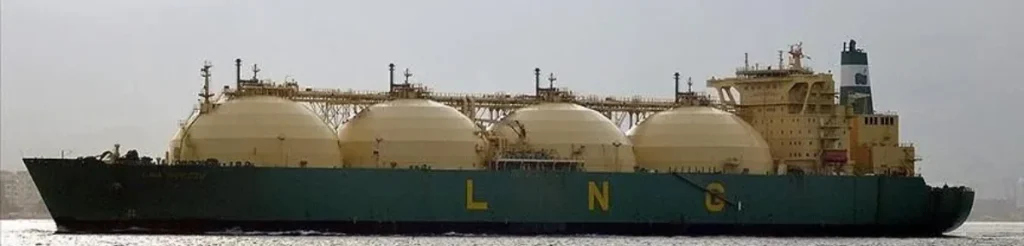
According to vessel-tracking data reported by Reuters on November 10, 2026, a total of 31 laden LNG tankers exited the Strait of Hormuz in October. This represents the highest monthly number since the conflict disrupted shipping in February 2026.
Out of these 31 vessels:
- 23 tankers were loaded at Qatar’s Ras Laffan export terminal.
- 8 tankers departed from the UAE’s Das Island.
- September recorded 23 LNG tankers exiting the strait.
The increase indicates a gradual improvement in LNG transportation through the region. However, the figures remain significantly below normal pre-war shipping levels.
Data from Kpler also showed that 42 LNG cargoes were loaded in October, compared with 27 in September. Qatar’s Ras Laffan terminal recorded 35 cargo loadings, exceeding 2.7 million tonnes. Before the conflict, Qatar exported nearly 6.2 million tonnes of LNG in February.
These figures demonstrate that although shipping activity is recovering, Qatar’s LNG export operations have not returned to their previous capacity.
Why the Strait of Hormuz Is Important for Global Energy Trade
The Strait of Hormuz is a narrow but strategically important waterway connecting the Persian Gulf to international shipping routes. It plays a major role in transporting crude oil, petroleum products, and liquefied natural gas.
Qatar is one of the world’s leading LNG exporters and depends heavily on this route to supply international customers. The UAE also uses the strait to transport LNG from its export facilities.
Several Asian economies, including China, India, Japan, and South Korea, depend on energy supplies from the Middle East. Any disruption in this route can affect their energy security and industrial activities.
The importance of the strait extends beyond the Middle East because energy prices are influenced by global supply and demand. When shipments are delayed or restricted, buyers may compete for alternative supplies, putting pressure on international gas markets.
3. Qatar’s LNG Exports Show Signs of Recovery
Qatar has faced significant challenges in maintaining its LNG exports since the beginning of the conflict. The disruption affected shipping operations and damaged important production infrastructure.
In March 2026, QatarEnergy reported damage that reduced the country’s LNG production capacity by approximately 17%. This created additional difficulties for the company in meeting international supply commitments.
October’s shipping figures suggest that Qatar is gradually restoring its export activities. The movement of 23 LNG tankers from Ras Laffan indicates improved transportation compared with previous months.
However, the difference between February’s nearly 6.2 million tonnes of exports and October’s more than 2.7 million tonnes of loadings shows that the recovery remains incomplete.
The UAE’s LNG exports have shown a relatively stronger recovery. According to S&P Global Energy, UAE transit activity has returned to pre-war levels, while Qatar has recovered to more than 30% of its previous Hormuz transit levels.
4. Ship-to-Ship Transfers Help Maintain LNG Deliveries
One important development in regional LNG transportation is the use of ship-to-ship (STS) transfers.
Under this arrangement, LNG is transferred from one vessel to another at a designated location. This allows companies to manage transportation challenges and continue delivering cargoes to international customers.
In October, two LNG vessels carrying Qatari cargoes exited the Strait of Hormuz and conducted transfers near Oman’s Sohar anchorage.
For example, the vessel SC Prestige transferred its LNG shipment to BW ENN Crystal Sky, which was heading towards South Korea. Another vessel, Al Mafyar, transferred its cargo to Shandong Redwood and Ejnan, which subsequently delivered the shipments to Pakistan.
These operations demonstrate how energy companies are adapting their logistics strategies to maintain supplies despite difficult shipping conditions.
However, ship-to-ship transfers require specialised equipment, careful coordination, and suitable safety conditions. They cannot completely replace normal LNG transportation routes.
5. Impact on Global LNG Prices and Energy Markets

Changes in LNG shipments through the Strait of Hormuz have important consequences for international energy markets.
When LNG supplies from Qatar and the UAE are restricted, importing countries may need to purchase gas from alternative suppliers such as the United States, Australia, and other exporters.
This can increase competition for available LNG cargoes, particularly during periods of high seasonal demand.
European and Asian countries are especially sensitive to supply disruptions because natural gas is widely used for electricity generation, industrial production, heating, and other essential activities.
Higher LNG transportation costs can also increase the final price paid by importers. Shipping companies may face higher insurance premiums, security expenses, and operational costs when travelling through conflict-affected areas.
Although October’s increased traffic could help ease some supply concerns, it does not guarantee an immediate reduction in international gas prices.
6. Impact on Asian Countries, Including India
Asian countries are among the largest buyers of LNG from the Middle East. Any disruption in the Strait of Hormuz can directly affect their energy supply and economic stability.
India: India imports a significant share of its natural gas requirements. Reduced LNG availability can increase import expenses and affect industries such as fertilisers, power generation, and manufacturing.
China: China is a major LNG consumer. Shipping disruptions can encourage Chinese buyers to explore alternative suppliers and negotiate different long-term supply agreements.
Japan and South Korea: Both countries depend on imported energy to support their electricity generation and industrial sectors. Uncertainty in LNG supplies can increase procurement costs and create energy security concerns.
As a result, the recovery in Hormuz shipping activity is an important development for Asian energy markets.
7. Security Challenges and Future Uncertainty

Despite the increase in LNG traffic, security concerns remain a major challenge for shipping companies.
The conflict has created uncertainty around vessel movements, maritime safety, and insurance costs. Some vessels have also switched off their Automatic Identification System (AIS) transponders during transit, making it difficult to track their movements accurately.
Shipping companies must consider several factors before sending vessels through the region:
- Risk of military attacks and maritime incidents.
- Higher insurance and transportation costs.
- Delays caused by security restrictions.
- Uncertainty regarding future political developments.
- Availability of alternative shipping arrangements.
Therefore, the increase in October’s LNG traffic should be viewed as a sign of gradual recovery rather than proof that normal shipping conditions have returned.
8. Future Outlook for the Global LNG Industry
The future of LNG transportation through the Strait of Hormuz will largely depend on regional security, political developments, and the restoration of energy infrastructure.
If shipping conditions continue to improve, Qatar and the UAE may gradually increase their LNG exports. This could improve global supply availability and reduce pressure on importing countries.
Energy companies may also focus on diversifying their supply sources, developing long-term contracts, and improving transportation flexibility to reduce dependence on a single shipping route.
Countries are likely to give greater importance to energy security by investing in alternative suppliers, renewable energy, and strategic gas reserves.
However, any escalation in regional tensions could reverse the recent progress and create fresh challenges for international energy markets.
Conclusion
The increase in LNG traffic through the Strait of Hormuz in October 2026 represents an important step towards the recovery of global energy transportation. With 31 laden LNG tankers exiting the strait, shipping activity has reached its highest monthly level since the Iran war began.
However, Qatar’s exports remain below pre-war levels, and security concerns continue to affect maritime operations. The situation highlights the importance of the Strait of Hormuz for global energy security.
In the coming months, stable shipping conditions, infrastructure recovery, and international cooperation will be essential for restoring normal LNG supplies and maintaining stability in global energy markets.