
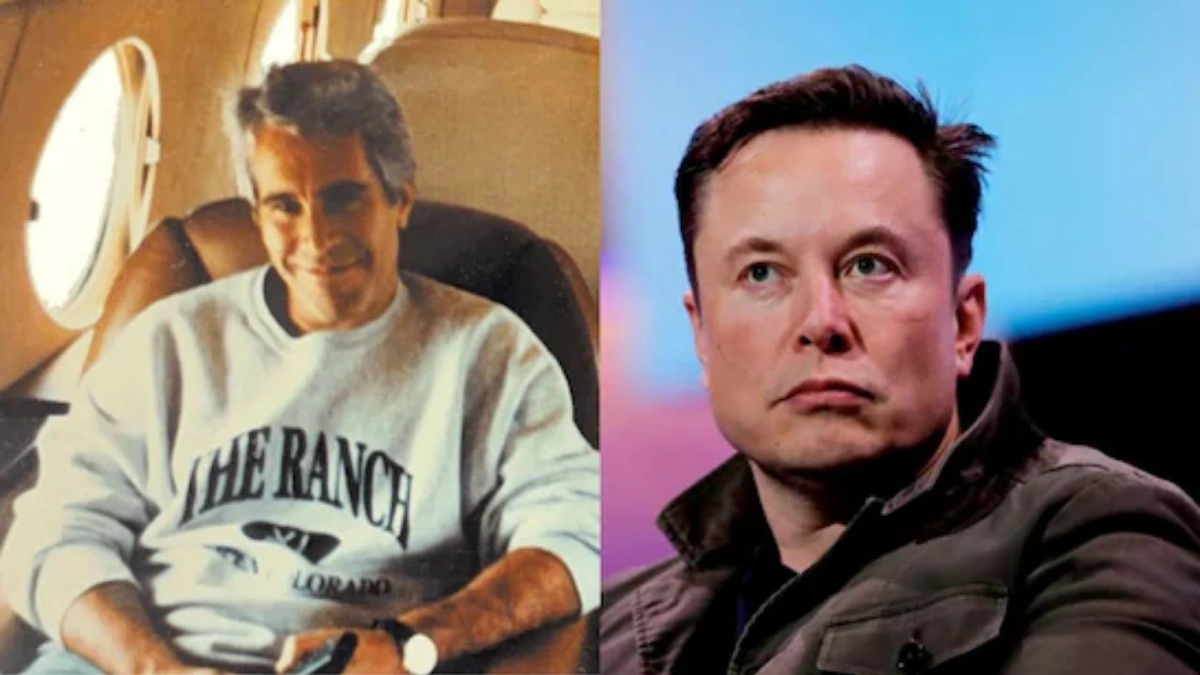
In early 2026, the U.S. Department of Justice (DOJ) released one of the largest packages of documents relating to the Jeffrey Epstein case — a trove dubbed the Epstein Files, comprising millions of pages of emails, calendars, logs, and correspondence involving the late financier and his wide network of contacts. Among the names that emerged in the files — including political leaders, celebrities, and billionaires — was Elon Musk, the Tesla and SpaceX CEO, thrusting him into a swirl of renewed controversy and public scrutiny.
Even though being mentioned in the files doesn’t automatically imply wrongdoing, the public reaction and media coverage around Musk’s name have intensified, affecting his reputation and spurring debate about accountability, transparency, and power.
The Epstein Files: What Was Released

In late January 2026, the DOJ publicly released roughly 3 million pages of documents under the Epstein Files Transparency Act, a federal demand for full disclosure of investigative materials connected to Epstein’s criminal network. This included emails, flight logs, calendars, correspondence, videos, and hundreds of thousands of images.
The files feature entries on numerous high-profile figures. While inclusion in the files is not indicative of criminal conduct, it has nonetheless sparked widespread curiosity and controversy. Elon Musk’s name appeared frequently in these documents, particularly due to a series of email exchanges with Jeffrey Epstein in the early 2010s.
Elon Musk’s Connections in the Files

According to the documents and reporting:
- The files include emails from 2012 and 2013 between Musk and Epstein discussing logistics, social engagements, and potential interactions.
- In one exchange, Musk reportedly asked Epstein about the timing of the “wildest party” on his private island, Little St. James, a location linked to Epstein’s sex-trafficking operations.
- Other communications included logistics about meeting dates, suggested visits, and questions about travel, though registered plans never materialized into actual visits.
The files also contained scheduling details and correspondences about potential island visits, but there is no conclusive evidence in the public records that Musk ever visited the island or took part in Epstein’s known crimes.
Musk’s Public Response and Denials

In response to the public release — and the backlash — Elon Musk took to his social platform X (formerly Twitter) to aggressively denounce how his involvement was being interpreted by the media and public commentators. He insisted that his interaction with Epstein was minimal, that he never traveled on Epstein’s private jet known as the “Lolita Express”, and never visited the island. He described the portrayal of his emails as a “smear” and “misinterpretation.”
Musk further argued that he had supported transparency regarding the files and pushed for their full release, even at personal cost. On multiple occasions he emphasized that accountability for Epstein’s actual traffickers and abusers is what really matters — not partial leaks and sensational headlines.
In one post, Musk wrote that the release was a “distraction” at a time when no major convictions had come from the broader network and that true justice should focus on prosecuting those responsible for heinous crimes.
Impact on Public Perception

Media and Public Backlash
The mention of Musk’s name in the files quickly spread across news outlets and social platforms. Headlines highlighted the juxtaposition of his pioneering work in technology and space with controversial associations. Critics and commentators seized on the email exchanges, questioning not just what was in the files, but why they had surfaced only now, and whether elite networks had shielded powerful figures for years.
For Musk, this has meant an intense period of reputation management, with his detractors portraying the email conversations as evidence of deeper ties to Epstein’s circle, regardless of the actual events. Meanwhile, supporters and some neutral observers have pointed out that being in the files does not equate to guilt.
The Broader Debate: Transparency and Accountability

The Epstein Files release has reinvigorated discussions about justice for Epstein’s victims, transparency in powerful circles, and how society should hold figures of influence accountable. Survivors, advocacy groups, and legal experts have voiced frustration that decades of evidence have not led to wider criminal prosecution of others linked to Epstein’s network.
At the same time, defenders of the public figures named in the files caution against trial by media, emphasizing that the records are raw investigative material, often unverified, incomplete, and subject to misinterpretation. They argue that inclusion in a document trove — especially one created for internal investigative purposes — is not the same as proven wrongdoing.
Musk’s Position Going Forward
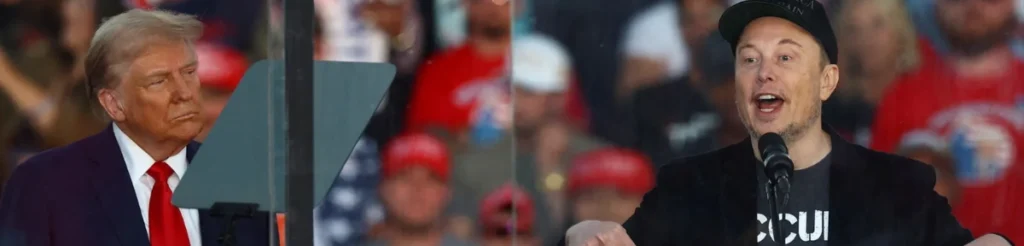
Elon Musk’s response to the Epstein files has been to double down on distancing himself from any implicated wrongdoing, while calling for accountability for those actually involved in Epstein’s sex-trafficking network. Whether this stance will be enough to sway public opinion largely depends on how future developments unfold — especially as more of the public grapples with the breadth of the released files.
Legal experts also note that the current wave of documents represents merely a fraction of all material connected to Epstein and that many records remain under seal due to privacy or ongoing investigative concerns.
Conclusion
The release of the Epstein files has placed Elon Musk at the center of an unexpected controversy — a situation that has strained his public image and sparked wider debates about power, influence, and responsibility. While there is no evidence that Musk participated in any of Epstein’s crimes, the email exchanges and subsequent media attention have nonetheless subjected him to intense scrutiny and criticism.
At its core, this episode highlights a broader cultural challenge: how society navigates the intersection of immense wealth, private connections, public accountability, and media interpretation. As the debate over Epstein’s network continues, Musk’s experience underscores both the peril and the complexity that accompany global prominence in today’s hyper-connected world.