
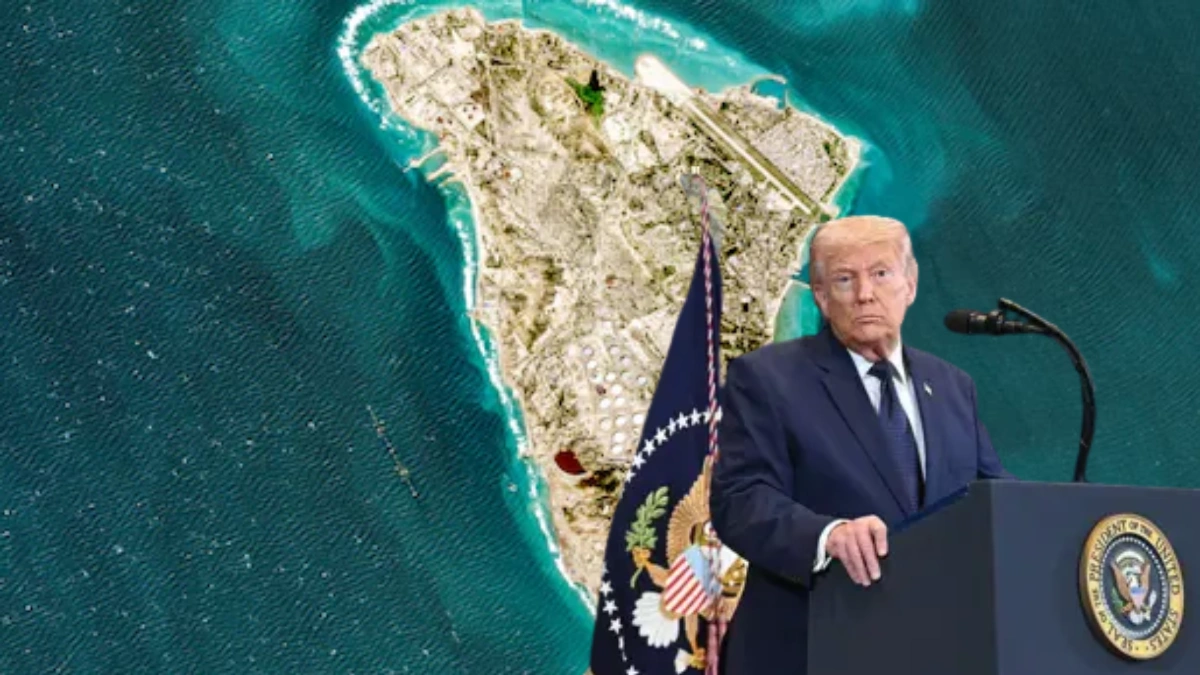
Tensions in the Middle East have reached a new and dangerous phase following reports that the United States carried out military strikes on Iran’s strategically crucial Kharg Island. The announcement, made by U.S. President Donald Trump, has sent shockwaves through global political and economic circles. Kharg Island, often described as the backbone of Iran’s oil exports, holds enormous geopolitical significance. Any military action involving this location has the potential to reshape regional alliances, disrupt global energy markets, and escalate the risk of a wider conflict.
This blog explores the background of the strike, its strategic implications, reactions from Iran and the international community, and the possible consequences for global oil supply and security.
Strategic Importance of Kharg Island

Kharg Island lies in the Persian Gulf and functions as Iran’s primary crude oil export terminal. A substantial portion of the country’s oil shipments is handled through facilities located on this small but economically vital island. Experts widely believe that targeting Kharg Island could significantly weaken Iran’s financial strength and military funding capabilities.
According to reports, U.S. strikes focused on destroying military installations rather than oil infrastructure, which was deliberately spared. However, President Trump warned that energy facilities could be targeted in the future if Iran interferes with maritime traffic in the Strait of Hormuz — a crucial global shipping route for oil and gas.
The island’s role in facilitating oil exports makes it one of the most sensitive economic and strategic targets in the ongoing conflict. Any prolonged disruption could lead to severe financial strain for Iran and volatility in global energy markets.
Background to the Escalation

The strike on Kharg Island did not occur in isolation. It is part of a broader pattern of escalating tensions between Washington and Tehran. Recent months have seen increased military activity in the region, including airstrikes on missile and drone installations, naval confrontations, and threats to commercial shipping.
The United States has accused Iran of interfering with maritime traffic in the Strait of Hormuz, while Iran has warned of retaliation against U.S. allies and energy infrastructure in the Gulf. This cycle of action and counteraction has raised fears of a prolonged conflict that could engulf multiple countries.
In response to the growing crisis, the U.S. has reportedly increased its military presence in the Middle East, deploying additional naval assets and personnel to deter further Iranian aggression. Analysts suggest that these moves are aimed at ensuring freedom of navigation and maintaining strategic dominance in the region.
Trump’s Announcement and Military Objectives
President Trump announced that U.S. forces had destroyed all military targets on Kharg Island while intentionally avoiding oil facilities for “reasons of decency.” He emphasized that the decision to spare energy infrastructure was conditional and could be reconsidered if Iran continued to threaten international shipping routes.
The operation is seen as part of a broader campaign to weaken Iran’s military capabilities without triggering an immediate global oil crisis. By focusing on military assets, the U.S. appears to be attempting to apply pressure while keeping economic escalation in reserve as a strategic option.
Some analysts view the strike as a calculated move designed to send a strong deterrent message to Tehran and reassure U.S. allies in the Gulf. Others warn that such actions risk provoking retaliation and further destabilizing the region.
Iran’s Reaction and Threat of Retaliation

Iranian officials have strongly condemned the strike, calling it an act of aggression and warning of severe consequences. Political leaders in Tehran have indicated that any attack on the country’s southern islands or energy infrastructure would trigger retaliatory measures against U.S. interests and allied energy facilities.
The possibility of asymmetric retaliation — including cyberattacks, missile strikes, or disruption of shipping lanes — remains a significant concern for global security experts. Such actions could further complicate diplomatic efforts to de-escalate the situation.
Impact on Global Oil Markets
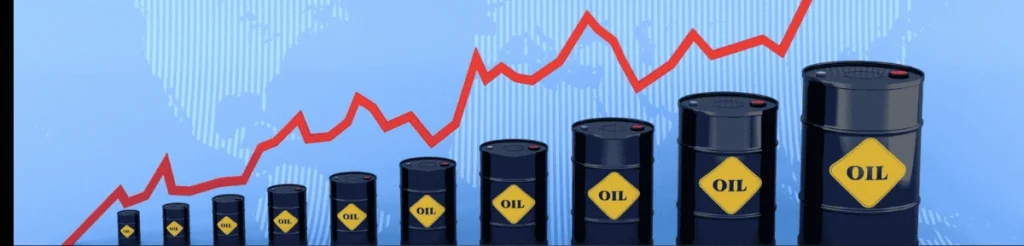
One of the most immediate consequences of the strike has been increased uncertainty in global energy markets. Kharg Island’s central role in Iran’s oil exports means that any disruption could tighten global supply and push prices higher.
Market analysts have warned that continued escalation could lead to oil prices surging dramatically, potentially affecting transportation costs, manufacturing, and overall economic stability worldwide.
The Strait of Hormuz, through which a significant share of the world’s oil passes, has become a focal point of concern. Any closure or prolonged disruption could trigger supply shocks comparable to past energy crises.
Broader Geopolitical Implications

The strike on Kharg Island may reshape geopolitical alliances in the Middle East and beyond. Countries heavily dependent on Gulf oil exports are closely monitoring developments, while global powers are urging restraint to prevent a wider conflict.
Military escalation could also impact ongoing diplomatic negotiations related to nuclear programs, regional security arrangements, and international trade. The situation underscores the fragile balance between military deterrence and diplomatic engagement.
Furthermore, increased military deployment in the region raises the risk of unintended confrontations involving multiple nations, potentially turning a bilateral conflict into a broader regional war.
Humanitarian and Security Concerns

Beyond economic and political consequences, escalating conflict poses serious humanitarian risks. Military strikes and retaliatory actions could lead to civilian casualties, displacement, and damage to critical infrastructure.
Security experts emphasize the need for conflict resolution mechanisms and international mediation to prevent further escalation. Without diplomatic intervention, the situation could spiral into a prolonged crisis affecting millions of people across the region.
Conclusion
The reported U.S. strike on Iran’s Kharg Island marks a significant turning point in the ongoing confrontation between the two nations. While the attack targeted military installations rather than oil facilities, its symbolic and strategic implications are profound.
The coming weeks will be critical in determining whether tensions escalate into a wider conflict or whether diplomatic efforts succeed in stabilizing the region. As global markets react and governments reassess their strategies, the world watches closely, aware that developments in the Persian Gulf have far-reaching consequences.