
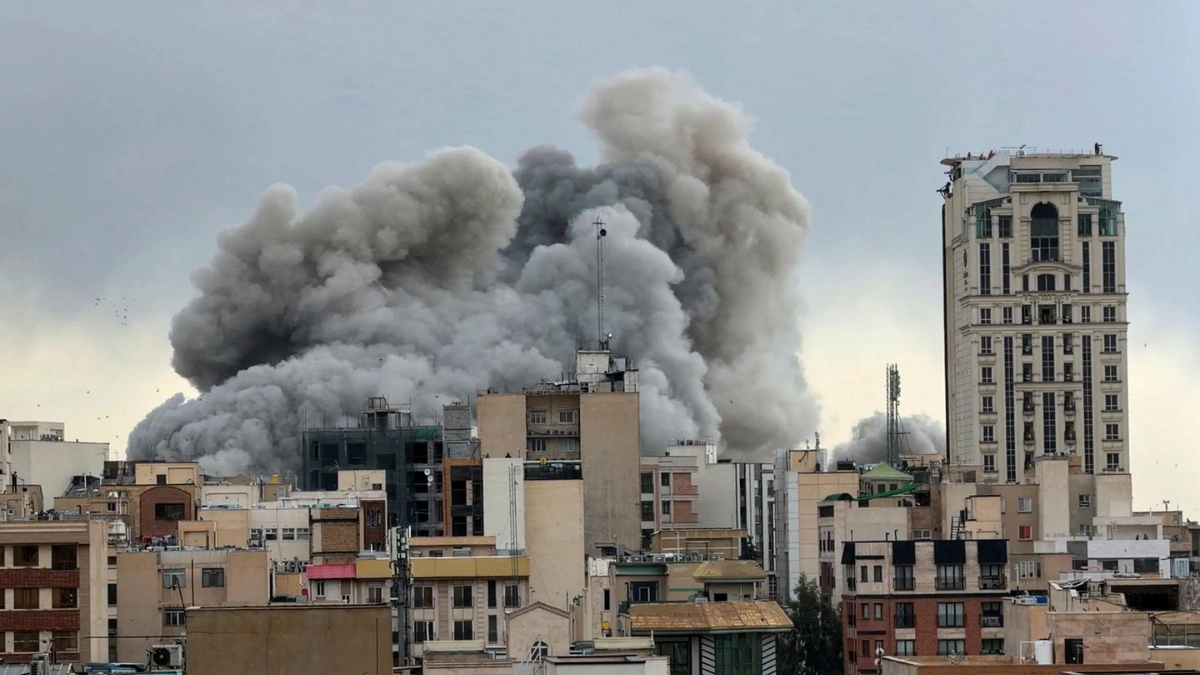
Tensions in the Middle East escalated sharply as Iran launched fresh attacks targeting Kuwait’s airport and an oil tanker off the coast of Qatar, while heavy airstrikes pounded Tehran ahead of a major speech by U.S. President Donald Trump. The developments mark another dangerous turn in the ongoing conflict between Iran and the United States-Israel alliance, now entering a critical phase.
Iran Expands Attacks Across Gulf Region
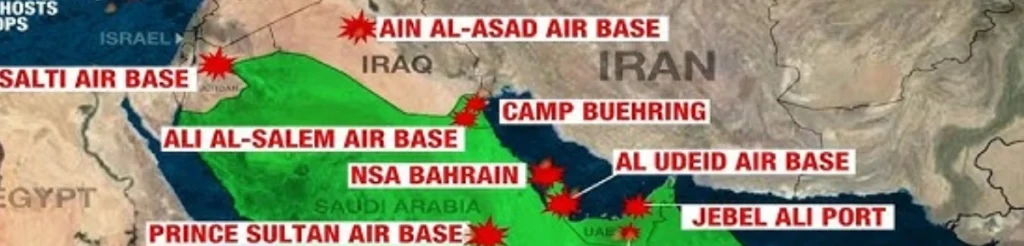
According to reports, Iran struck an oil tanker off Qatar’s coast and targeted Kuwait’s airport, demonstrating a widening scope of attacks across the Gulf region. These incidents occurred just hours after President Donald Trump signaled he may soon wind down the war, creating uncertainty about the conflict’s future direction.
The tanker attack raised immediate concerns about maritime security in the Gulf, particularly as global oil supplies rely heavily on shipping lanes near Qatar and the Strait of Hormuz. Meanwhile, the strike on Kuwait’s airport highlighted the vulnerability of critical civilian infrastructure across the region.
Officials initially reported material damage but limited details on casualties, as emergency services rushed to assess the situation and secure affected areas.
Airstrikes Batter Tehran
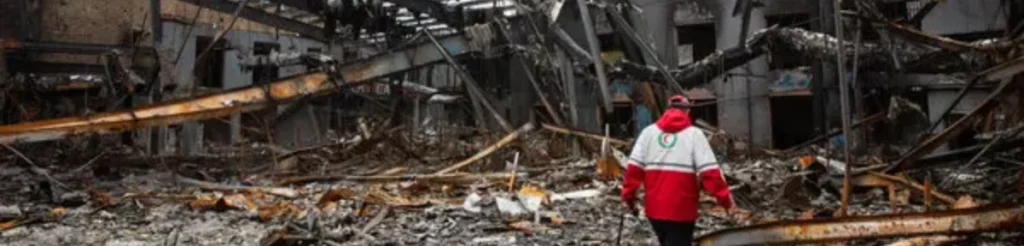
While Iran launched attacks in the Gulf, Tehran itself came under heavy airstrikes, reportedly conducted by U.S. and Israeli forces targeting military installations and strategic facilities. These strikes marked one of the most intense bombardments in recent days, underscoring the ongoing cycle of escalation.
Witnesses described explosions across multiple districts, while Iranian authorities reported damage to infrastructure and disruptions in transportation. The strikes were part of a broader campaign aimed at weakening Iran’s military capabilities, missile systems, and nuclear-related facilities.
The continued strikes suggest that despite diplomatic discussions, military pressure remains a central component of the strategy by U.S. and Israeli forces.
Trump Prepares Major Speech

The developments unfolded just hours before President Donald Trump was scheduled to address the nation. Earlier, Trump suggested that the war could be wound down within two to three weeks if Iran’s nuclear capabilities were sufficiently neutralized.
However, Trump also warned that the United States would continue operations if Iran did not meet demands, leaving the possibility of further escalation on the table. The speech was expected to outline:
- U.S. military progress
- Strategy moving forward
- Potential ceasefire conditions
- Economic implications
The timing of Iran’s attacks raised questions about whether Tehran was attempting to strengthen its position ahead of any negotiations.
Kuwait Airport Strike Raises Alarm
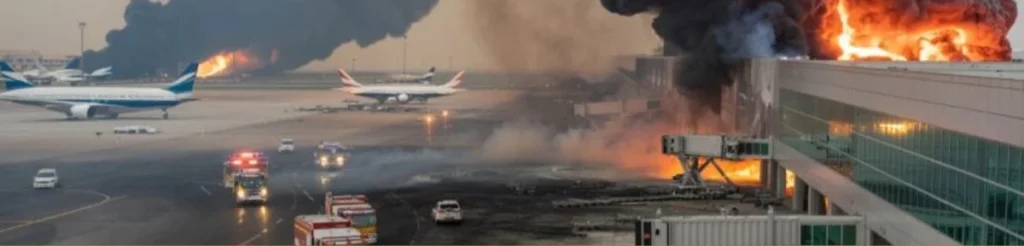
The strike on Kuwait’s airport represented a significant escalation. Kuwait has largely remained outside direct conflict zones, and targeting its infrastructure risked drawing additional countries into the crisis.
Reports indicated that fuel storage areas at the airport were targeted, leading to fires that emergency crews worked to contain. The incident caused temporary disruptions and heightened security alerts across the region.
The attack also raised concerns about aviation safety, prompting several airlines to review flight routes and operations.
Oil Tanker Hit Off Qatar
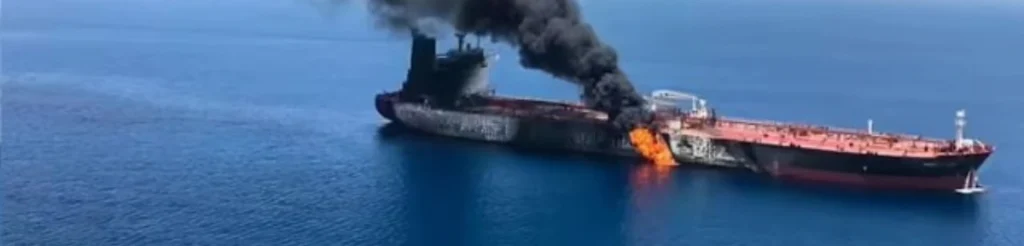
The attack on the oil tanker off Qatar’s coast intensified fears of disruptions to global energy supplies. Qatar is one of the world’s leading exporters of liquefied natural gas (LNG), and any threat to shipping lanes could have global economic consequences.
Maritime security agencies warned that commercial vessels operating in the region face increased risks. Insurance costs for ships passing through Gulf waters have already begun to rise as tensions escalate.
Regional Tensions Escalate
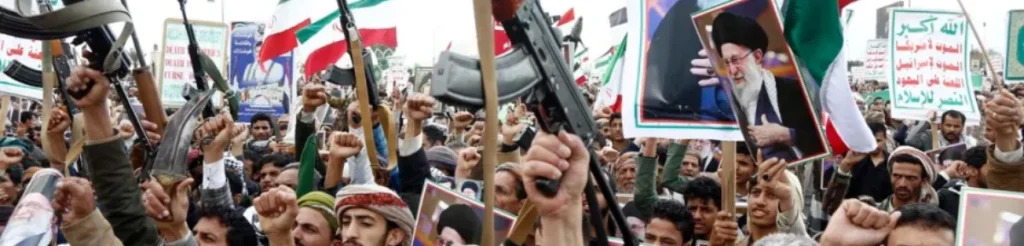
The attacks on Kuwait and Qatar reflect a broader Iranian strategy to pressure Gulf allies of the United States. By targeting infrastructure and shipping routes, Iran appears to be expanding the battlefield beyond its borders.
Countries across the Middle East have responded by:
- Increasing military readiness
- Enhancing air defense systems
- Issuing travel advisories
- Monitoring shipping lanes
These developments indicate growing concern that the conflict could spread into a wider regional war.
Diplomatic Efforts Continue

Despite the escalating violence, diplomatic channels remain active. Reports suggest that U.S. officials have presented Iran with proposals aimed at achieving a ceasefire and reopening shipping lanes in the Strait of Hormuz.
However, negotiations remain fragile, with both sides continuing military operations while talks proceed.
Economic Impact Mounts

The latest attacks have intensified fears of economic disruption:
- Oil prices remain volatile
- Shipping costs rising
- Global markets reacting cautiously
- Energy supply concerns growing
Experts warn that prolonged instability in the Gulf could lead to significant global economic consequences.
Growing Risk of Wider Conflict
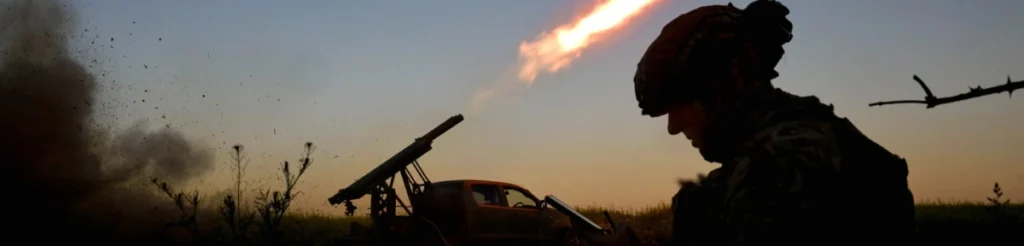
The strikes on Kuwait and Qatar highlight the risk of the conflict spreading beyond Iran and Israel. Additional countries could be drawn in if attacks continue, particularly if civilian infrastructure is targeted.
Military analysts warn that:
- Escalation could become uncontrollable
- Proxy groups may become involved
- Maritime conflict could intensify
These risks underscore the urgency of diplomatic solutions.
What Comes Next

With Trump’s speech expected to outline the next phase of the conflict, global attention remains focused on Washington. Possible outcomes include:
- Continued military operations
- Limited ceasefire
- Negotiations
- Escalation
The coming days are expected to be critical in determining the direction of the conflict.
Conclusion
The latest developments mark a dangerous escalation in the Iran conflict. Iran’s strikes on Kuwait’s airport and a tanker off Qatar, combined with heavy airstrikes on Tehran, underscore the volatility of the situation.
As President Trump prepares to address the nation, the world is watching closely. Whether the conflict moves toward de-escalation or further escalation remains uncertain, but the events surrounding these attacks have already raised the stakes significantly.
The Middle East stands at a critical crossroads, with global security, energy markets, and geopolitical stability hanging in the balance.