
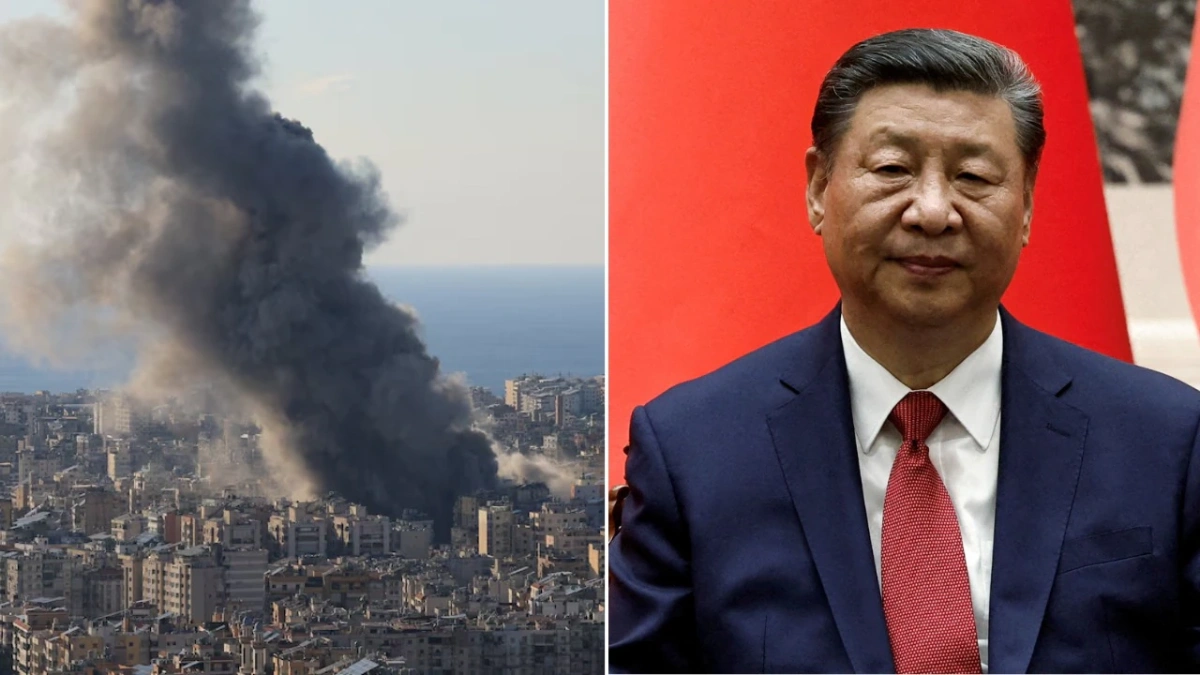
As tensions in the Middle East continue to escalate, the economic consequences of the Iran conflict are spreading far beyond the region. One country increasingly feeling the pressure is China — the world’s second-largest economy and one of the biggest consumers of energy. What began as a geopolitical conflict is now becoming a serious economic challenge for Beijing, affecting trade, energy security, supply chains, and long-term growth.
China has long relied on stable Middle East energy supplies and trade routes. But with disruptions to oil flows, rising shipping risks, and growing uncertainty, the Iran war is creating new economic headaches for Chinese policymakers.
China’s Heavy Dependence on Middle East Energy
China imports a significant portion of its oil from the Middle East, including Iran and other Gulf nations. The Strait of Hormuz — a critical shipping route — has become increasingly unstable due to the conflict. This has made energy supplies unpredictable and more expensive.
Recent data shows that China’s trade with Iran and Gulf countries has already dropped sharply. Imports from Iran plunged 48% year-on-year, while Chinese exports to Iran dropped by 90%. Across eight Persian Gulf economies, Chinese exports fell by 57%, and imports declined by nearly 33%. These declines highlight how quickly the conflict is affecting China’s economic relationships.
Such disruptions create ripple effects across China’s manufacturing sector, which relies heavily on stable energy supplies.
Rising Oil Prices Hurt China’s Manufacturing

China is one of the largest manufacturing hubs in the world. Higher oil prices increase the cost of:
- Transportation
- Factory operations
- Shipping
- Raw materials
Disruptions around the Strait of Hormuz have already increased oil prices, pushing up production costs across Chinese industries. Analysts say this is testing China’s energy security planning, especially as supply disruptions continue.
Even though oil accounts for about 18% of China’s total energy mix, rising oil prices still affect logistics, manufacturing, and industrial value chains.
This means that even moderate increases in oil prices can significantly impact China’s export-driven economy.
Trade Routes Under Pressure
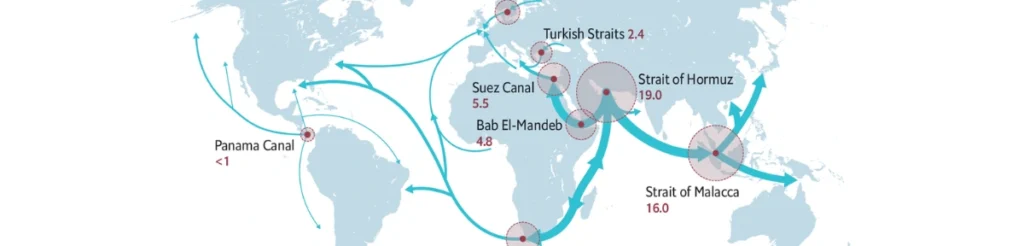
The Iran conflict has also disrupted shipping routes. Tankers moving through the Strait of Hormuz now face:
- Security risks
- Delays
- Higher insurance costs
- Limited availability
Some vessels are avoiding the route entirely, creating bottlenecks in global trade.
In one example, only three vessels passed through the Strait on a single day during heightened tensions, highlighting how fragile the shipping situation has become.
This slowdown affects China’s import and export operations, especially for industries dependent on fast shipping.
Global Energy Shock Hits Asia Hardest

The economic impact is particularly severe in Asia, including China. The ongoing conflict has removed more than 12 million barrels of oil per day from global supply — one of the largest disruptions in history.
This level of disruption makes it harder for China to secure stable energy supplies. It also increases competition among countries trying to secure alternative oil sources.
Additionally, natural gas and fertilizer supplies have also been affected, creating further pressure on agriculture and industrial production worldwide.
For China, which relies on imports to support its massive industrial base, these disruptions create long-term risks.
China’s Growth Still Holding — For Now
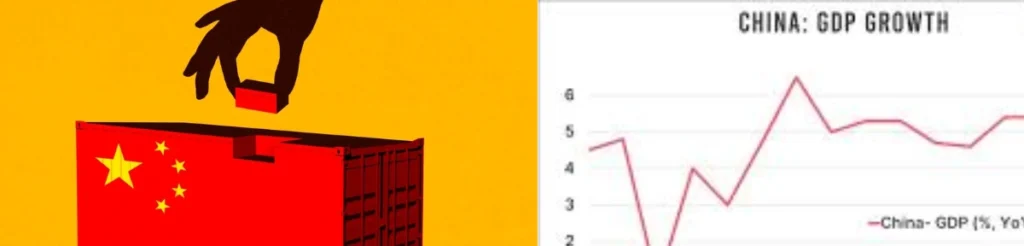
Despite these challenges, China’s economy has shown resilience. Recent data indicates that China’s economy grew by about 5% in the first quarter, suggesting it has so far managed to absorb the initial shock.
However, economists warn that the longer the conflict continues, the harder it will be for China to maintain growth.
Short-term resilience does not eliminate long-term risks.
China Scrambles for Alternative Suppliers
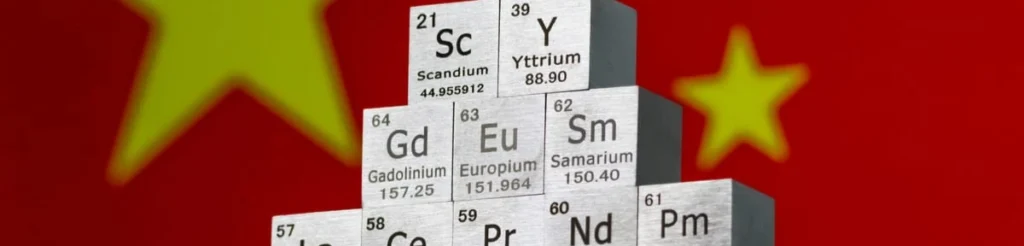
To reduce dependence on Middle East oil, China is increasingly turning to:
- Russia
- Malaysia
- Indonesia
- Domestic reserves
These alternative suppliers help offset shortfalls but often come with higher costs and logistical challenges.
China’s ability to diversify supply sources is helping limit immediate damage, but it cannot fully replace Middle East energy.
Supply Chain Disruptions Spread Across Industries
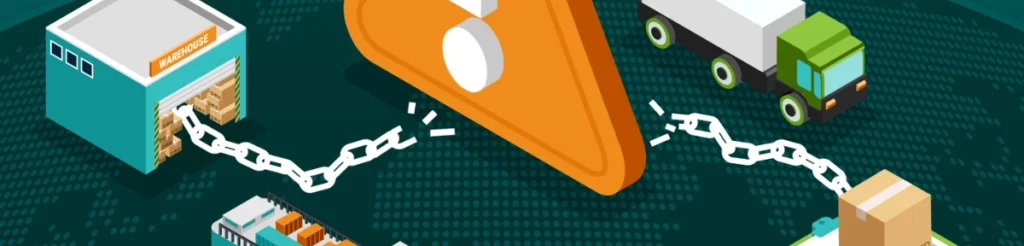
The Iran conflict is also affecting global supply chains — something China is deeply connected to.
Disruptions have impacted:
- Chemicals
- Fertilizers
- Industrial metals
- Shipping containers
- Electronics components
These supply chain challenges increase production delays and raise prices for Chinese manufacturers.
Over time, this could reduce China’s competitiveness in global markets.
Financial Markets React to Uncertainty

Financial markets are also reacting to the Iran conflict. Investors tend to move money away from risk during geopolitical instability.
This affects:
- Chinese stocks
- Currency stability
- Foreign investment
Global uncertainty often reduces demand for Chinese exports, which could slow economic growth.
Strategic Risks for China

Beyond economic concerns, the Iran conflict also creates strategic risks for China:
1. Diplomatic Pressure
China has strong ties with Iran but also major trade relationships with Western countries. The conflict forces China into a delicate diplomatic balancing act.
2. Energy Security Concerns
The crisis highlights China’s dependence on foreign energy sources.
3. Long-Term Economic Uncertainty
Prolonged conflict could reshape global trade patterns.
China’s Long-Term Response

China is already taking steps to reduce future risks:
- Expanding renewable energy
- Increasing strategic oil reserves
- Diversifying trade partners
- Strengthening domestic production
These efforts aim to reduce dependence on unstable regions.
However, such changes take time.
Why This Matters for the Global Economy

China plays a major role in global trade and manufacturing. If China’s economy slows, the impact spreads worldwide.
Possible global effects include:
- Higher prices for goods
- Slower economic growth
- Supply shortages
- Market volatility
This makes the Iran conflict not just a regional issue — but a global economic concern.
Conclusion
The Iran war is increasingly becoming an economic problem for China. Rising oil prices, disrupted trade routes, and supply chain instability are creating new challenges for Beijing. While China has shown resilience so far, the longer the conflict continues, the greater the risks.
As global tensions remain high, China — like many countries — is preparing for a future shaped by uncertainty. The outcome of the Iran conflict could influence not just Middle East politics, but also the direction of the global economy.
For now, China is managing the crisis — but the economic pressure is clearly building.