
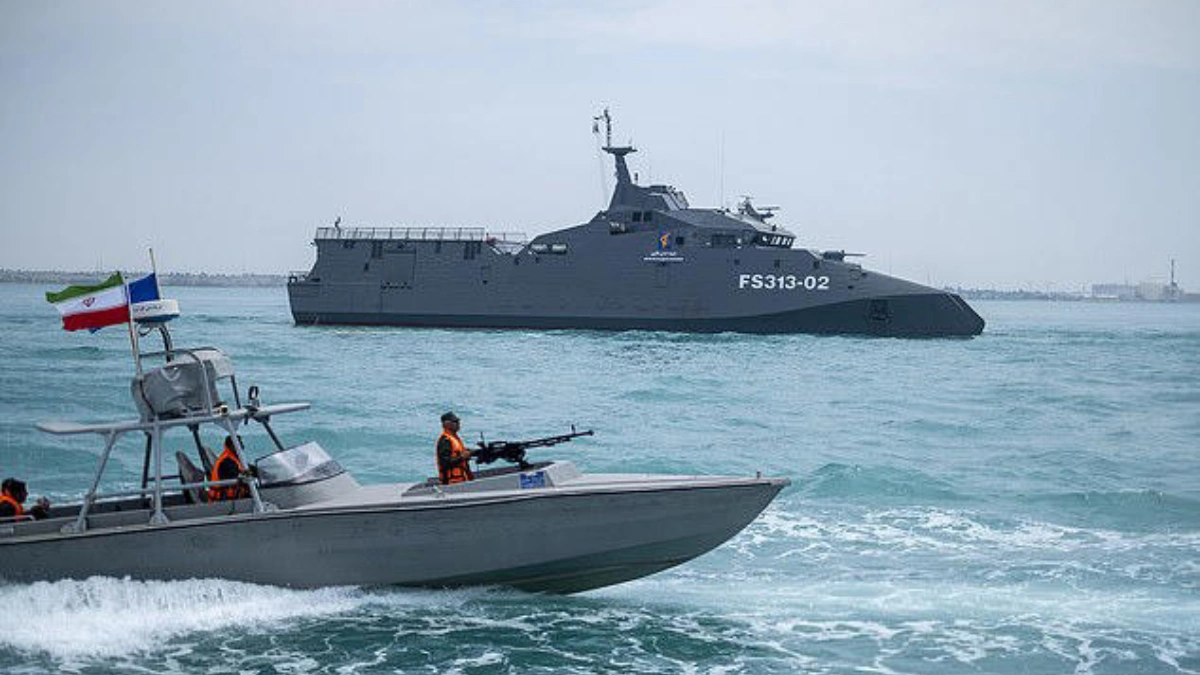
In the fog of a fragile ceasefire, a new chapter is unfolding at sea—one defined less by missiles and more by maneuvering, evasion, and logistics. Reports of Iranian “ghost ships” slipping past a U.S.-led maritime blockade have raised fresh questions about enforcement, technology, and the limits of naval power. While political leaders, including Donald Trump, project strength, the reality on the water suggests a far more complex picture—one where commerce adapts faster than control.
What Are “Ghost Ships”?
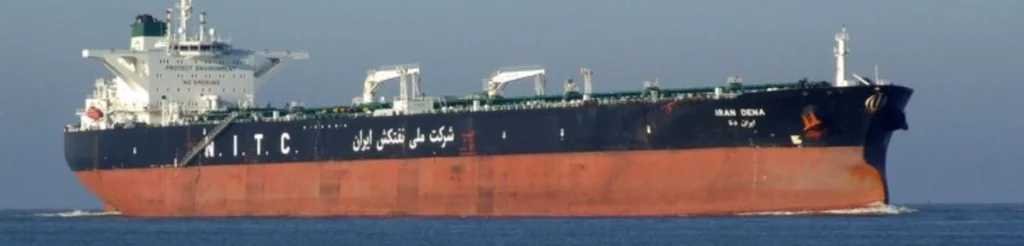
“Ghost ships” is a catch-all term for vessels that obscure their identity or location to avoid detection. Tactics typically include:
- AIS manipulation: Ships switch off or spoof their Automatic Identification System signals.
- Reflagging: Rapid changes in registration to jurisdictions with lighter oversight.
- Ship-to-ship (STS) transfers: Oil is moved between tankers in remote waters to mask origin.
- Paperwork laundering: Cargoes are relabeled through intermediary traders and ports.
These methods are not new, but their scale and sophistication have grown. In a contested environment, they allow sanctioned exports to keep moving—even when surveillance is tight.
The Blockade’s Ambition—and Its Limits
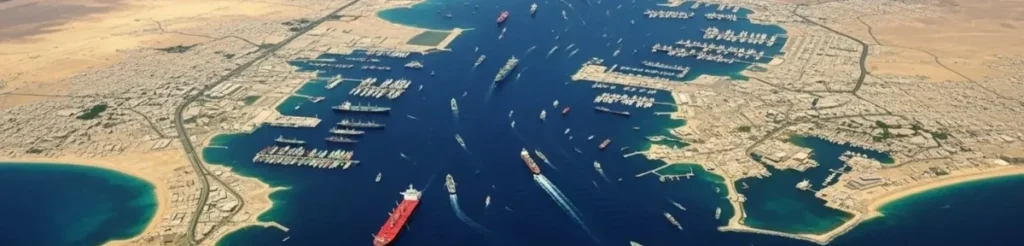
A blockade in modern terms is less about a single line of ships and more about a network: naval patrols, satellite tracking, financial sanctions, and port-state controls. The goal is to choke off revenue streams without escalating into open conflict.
Yet enforcement faces inherent constraints:
- Geography: The Gulf and nearby sea lanes are crowded and complex. Policing every vessel is impractical.
- Legal thresholds: Interdiction requires clear grounds; otherwise, it risks escalation or legal backlash.
- Volume of traffic: Thousands of commercial vessels transit the region, creating cover for illicit movements.
- Adaptive adversaries: Traders and operators iterate quickly, finding gaps in enforcement.
Even a well-resourced navy cannot be everywhere at once. The result is a cat-and-mouse dynamic where occasional interceptions are offset by many successful evasions.
How Iranian Oil Still Moves
Despite pressure, Iranian exports have shown resilience through a layered approach:
- Blending and relabeling: Crude is mixed with other grades and sold as a different origin.
- Circuitous routes: Tankers take longer, indirect paths, making tracking harder.
- Private intermediaries: Smaller trading houses and shadow fleets reduce exposure to sanctions.
- Selective compliance: Some buyers reduce visibility rather than volume, keeping flows steady but opaque.
These channels don’t eliminate risk—they distribute it. Losses from seizures or delays are priced into deals, while successful shipments sustain revenue.
The Ceasefire Factor
A shaky ceasefire complicates everything. On paper, tensions ease; in practice, uncertainty spikes:
- Rules of engagement blur: Navies tread carefully to avoid incidents that could shatter the truce.
- Inspection intensity varies: Enforcement may tighten or loosen depending on political signals.
- Market behavior shifts: Traders rush to move cargo during perceived windows of leniency.
This ambiguity can inadvertently favor evasion. When enforcement is inconsistent, experienced operators exploit timing and gaps.
Technology vs. Tactics

Modern surveillance is formidable—high-resolution satellites, maritime patrol aircraft, and data analytics that flag suspicious behavior. But technology isn’t a silver bullet.
- AIS spoofing can mimic normal patterns.
- Dark activity (going “AIS-off”) in high-traffic zones is harder to isolate.
- STS transfers conducted at night or in remote areas can evade timely detection.
- Data overload can slow decision-making without clear thresholds for action.
In response, enforcement agencies are investing in pattern recognition, anomaly detection, and cross-referencing financial and shipping data. Still, each advance is met with a countermeasure.
Economic Ripple Effects
The persistence of “ghost shipping” has tangible impacts:
- Oil prices: Partial leakage of sanctioned supply can temper price spikes, but uncertainty keeps a risk premium in place.
- Freight rates: Insurance costs rise in contested zones, pushing up shipping expenses.
- Compliance costs: Legitimate operators spend more on due diligence, audits, and documentation.
- Market distortions: Discounts on sanctioned crude create parallel markets that undercut transparent pricing.
For import-dependent economies, this volatility complicates planning and budgeting. For producers, it reshapes competition.
Diplomatic and Strategic Implications

The optics of a “leaky” blockade matter. Allies may question effectiveness; adversaries may be emboldened. At the same time, overly aggressive enforcement risks escalation—especially in narrow waterways where incidents can spiral quickly.
Policymakers face a dilemma:
- Tighten the net and risk confrontation, or
- Accept partial leakage to preserve stability.
In many cases, the chosen path is calibrated pressure—enough to signal resolve, not enough to trigger a wider conflict.
What Comes Next?
Several scenarios could shape the near term:
- Enhanced multilateral enforcement: Greater coordination among navies and regulators could close gaps—but requires political alignment.
- Targeting the shadow fleet: Sanctions may expand to insurers, brokers, and ship managers linked to evasive networks.
- Technological upgrades: Better integration of satellite, AIS, and financial data to flag high-risk voyages earlier.
- Market adaptation: Traders refine routes and methods, sustaining a baseline level of covert flows.
None of these guarantees a decisive outcome. The most likely future is continued friction—periods of tighter control followed by adaptation and leakage.
Conclusion
The narrative of a collapsing blockade is less about a single failure and more about the evolving nature of maritime enforcement. Iranian “ghost ships” illustrate a broader truth: in a globalized system, economic flows are remarkably resilient. Even under pressure, they find paths—sometimes hidden, often improvised.
For leaders like Donald Trump and their counterparts, the challenge is balancing deterrence with stability. For markets, it’s navigating uncertainty that shows up in prices, routes, and risk. And for the rest of the world, it’s a reminder that in modern conflicts, the decisive battles are often fought not just on land or air—but across shipping lanes, ledgers, and data streams.