
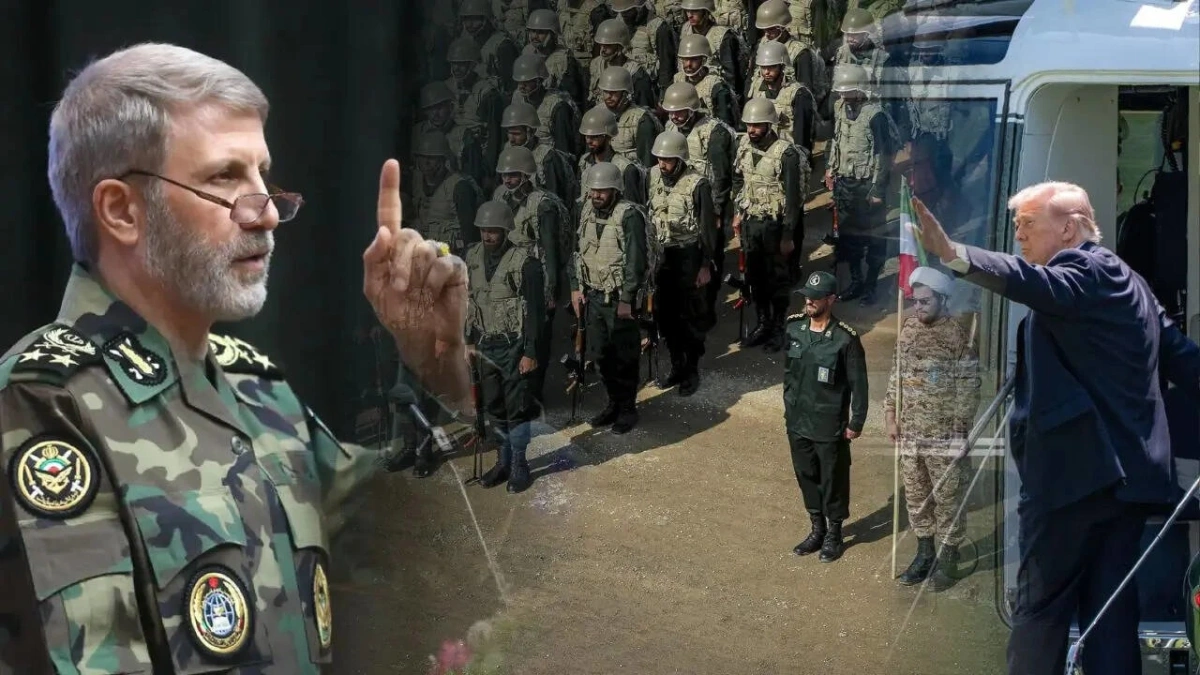
The fragile ceasefire between Iran, the United States, and Israel was expected to provide a pause in one of the Middle East’s most dangerous military confrontations in recent years. Many analysts believed the damage caused by months of airstrikes, cyberattacks, and naval pressure would leave Iran’s military infrastructure weakened for years. However, recent intelligence assessments are painting a very different picture.
According to multiple reports citing American intelligence officials, Iran has rapidly rebuilt parts of its military network during the ceasefire period, catching sections of the US intelligence community by surprise. Drone production lines are reportedly back online, missile systems are being restored, and underground military facilities once believed destroyed may still be operational.
The developments are raising serious questions about the long-term effectiveness of the US-Israeli military campaign against Tehran and the future stability of the region.
Faster Recovery Than Expected
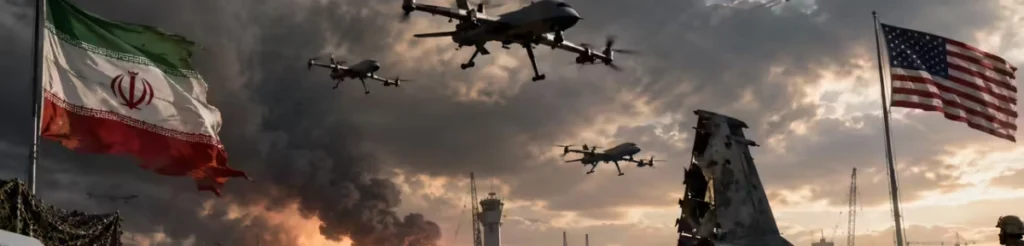
US officials initially believed that Iran’s military industry had suffered devastating damage after coordinated strikes targeted missile launchers, drone factories, command centers, and naval facilities earlier this year. Public statements from Washington suggested Tehran’s ability to conduct major military operations had been severely reduced.
But intelligence reports now suggest Iran recovered much faster than expected. Officials tracking military activity say Tehran used the ceasefire strategically — not simply to pause fighting, but to rebuild critical systems.
One of the biggest surprises has been the rapid restoration of drone manufacturing. Iran has long relied on drones as a cost-effective military tool, capable of carrying out surveillance missions and swarm attacks across the Middle East. These systems are cheaper to replace than ballistic missiles and easier to mass-produce.
US intelligence assessments reportedly indicate that some drone production resumed within weeks of the ceasefire.
Underground Infrastructure Remains Key
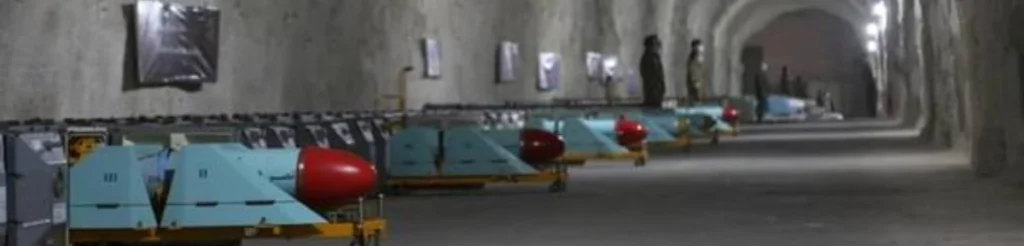
Iran’s military strategy has always depended heavily on underground facilities. Over the years, Tehran invested billions into hardened bunkers, tunnels, and hidden missile storage sites designed specifically to survive aerial bombardment.
Recent reports suggest that many missile launchers and stockpiles may have been concealed before strikes occurred. Some were buried underground or temporarily disabled rather than fully destroyed. During the ceasefire, Iran reportedly accelerated efforts to recover these hidden weapons systems.
American intelligence agencies are now concerned that Iran preserved a significant part of its operational capability despite months of attacks.
This has complicated earlier claims that the strikes had permanently crippled Iran’s military power.
Strait of Hormuz Concerns
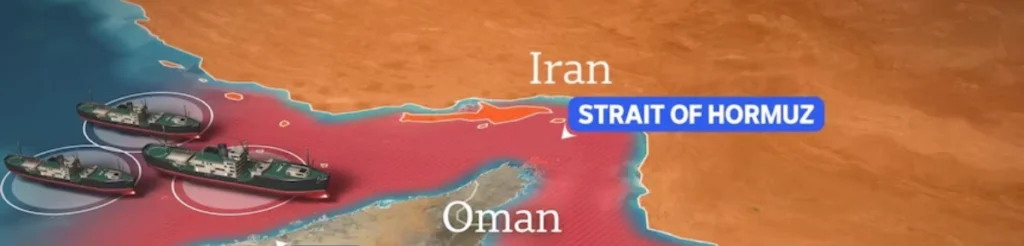
One of the biggest strategic concerns remains the Strait of Hormuz, the narrow waterway through which a major portion of the world’s oil supply travels every day.
US intelligence reportedly believes Iran still retains substantial missile and coastal defense capabilities near the strait. Some assessments suggest Tehran restored operational access to many missile sites faster than expected.
This is alarming for global markets because any disruption in Hormuz could send oil prices soaring worldwide. Even during the ceasefire, fears of renewed conflict in the Gulf have caused energy markets to remain volatile.
Military analysts warn that Iran’s strategy may focus less on direct large-scale warfare and more on maintaining the ability to disrupt global trade routes and pressure regional rivals.
Questions About the Military Campaign
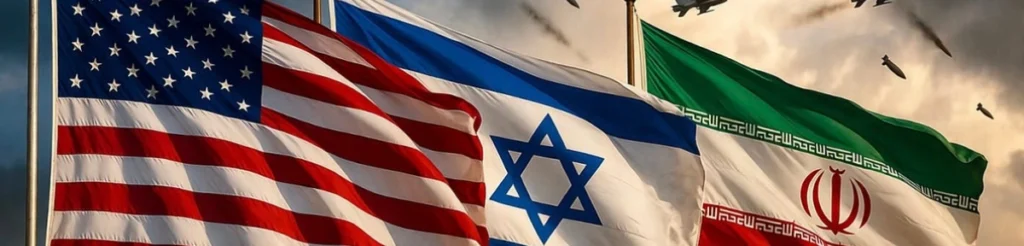
The rapid recovery is also triggering debate inside Washington about whether the military campaign achieved its intended objectives.
While US and Israeli forces inflicted major damage on Iranian infrastructure, intelligence findings suggest Tehran’s military system was more resilient than expected. Iran appears to have planned for prolonged conflict long before the first strikes began.
Some Western intelligence assessments reportedly indicate that Iran dispersed weapons, protected underground facilities, and established replacement command structures in advance.
This preparation may have allowed Iran to limit the overall impact of the strikes.
Critics argue that the campaign underestimated Iran’s ability to adapt. Others say the strikes still weakened Tehran significantly, even if they did not fully destroy its capabilities.
The disagreement highlights a long-standing challenge in modern warfare: destroying infrastructure is easier than eliminating an enemy’s capacity to rebuild.
Drones Becoming a Bigger Threat

Iran’s expanding drone capabilities remain a major concern for the United States and its allies.
Unlike traditional missiles, drones can be built quickly and launched in large numbers. They are harder to intercept and can overwhelm expensive air defense systems through swarm tactics.
Military experts say Iran has spent years improving drone technology while also sharing expertise with regional allies and proxy groups. Hezbollah, the Houthis, and other Iran-linked organizations have increasingly developed local drone manufacturing capabilities.
This means Iran’s military influence may continue even if its central infrastructure suffers damage.
Some intelligence estimates now warn Iran could fully restore parts of its drone arsenal within months.
Diplomatic Pressure and Renewed Risks

The military recovery comes at a sensitive diplomatic moment. President Donald Trump has repeatedly warned that the US could resume military operations if negotiations with Tehran fail.
At the same time, Iran insists it retains the right to defend itself and continues accusing Washington and Israel of aggression.
The ceasefire itself remains fragile. While large-scale fighting has paused, tensions continue across the region. Intelligence agencies are closely monitoring whether Iran uses the pause primarily for recovery or genuinely seeks a longer-term diplomatic settlement.
There are also growing concerns about possible foreign assistance helping Iran rebuild. Some reports cite allegations involving Chinese-linked supply networks connected to missile production components, though Beijing has denied supporting Iran militarily.
Regional Implications

For Middle Eastern countries, Iran’s rapid recovery changes strategic calculations.
Gulf nations worry that renewed conflict could once again threaten shipping lanes, energy exports, and regional security. Israel remains deeply concerned about Iran’s missile and drone programs, viewing them as long-term existential threats.
Meanwhile, global powers fear that a breakdown of diplomacy could trigger another escalation involving the US, Iran, Israel, and proxy forces across the region.
The situation also demonstrates how modern conflicts increasingly involve economic pressure, cyber warfare, intelligence operations, and technological competition rather than only traditional battlefield engagements.
Conclusion
Iran’s ability to rebuild parts of its military infrastructure during the ceasefire has surprised US intelligence officials and complicated claims about the long-term success of the recent military campaign.
Drone production has resumed, missile systems are being restored, and underground facilities remain a major strategic advantage for Tehran. The rapid recovery highlights Iran’s resilience, long-term preparation, and ability to adapt under pressure.
As diplomacy continues alongside rising tensions, the Middle East now faces an uncertain future. If negotiations fail, the next phase of conflict could be even more dangerous — not only for the region, but for global energy markets and international security as well.