
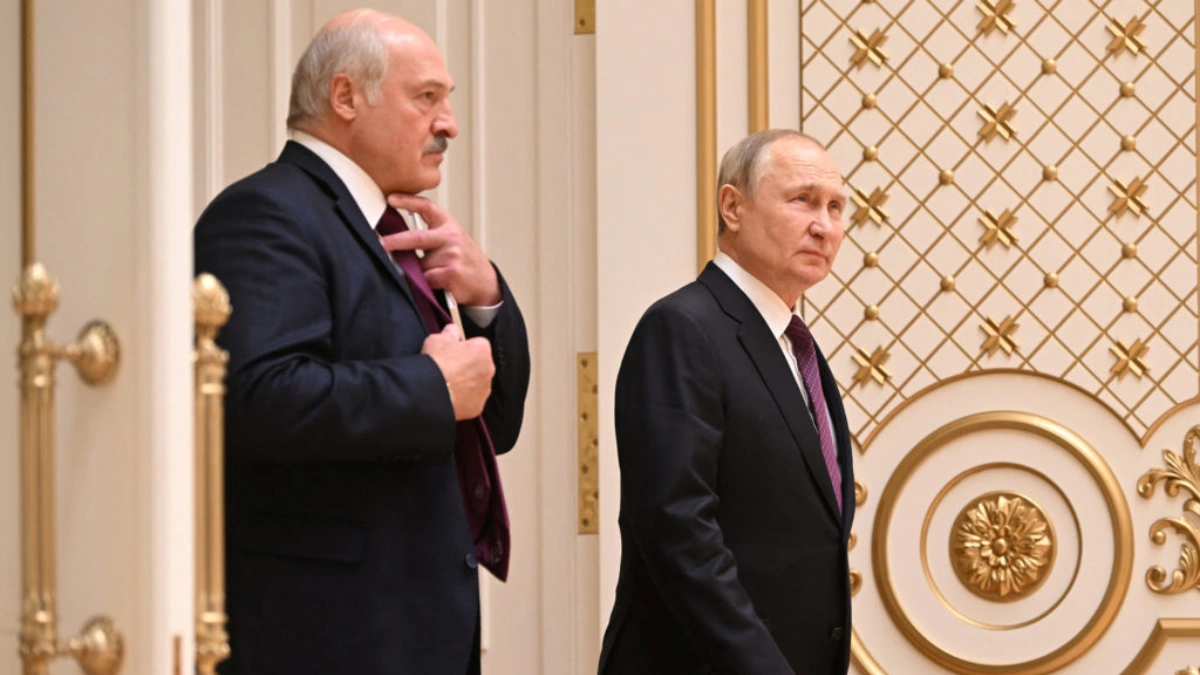
Global politics is witnessing another dramatic shift as one of Russia’s long-time allies appears to be distancing itself from Moscow and moving closer to the United States. The move has sparked debates among political analysts, raised concerns inside the Kremlin, and highlighted the changing balance of power in international diplomacy.
For years, Russia has depended on strategic partnerships with neighboring nations and allied governments to maintain its global influence. However, growing economic pressure, sanctions, military conflicts, and changing geopolitical priorities are forcing several countries to rethink their alliances. The latest development involving a traditional Russian ally signals that even Moscow’s closest partners are beginning to explore new opportunities outside Russia’s sphere of influence.
Rising Tensions Inside Russia’s Alliance Network
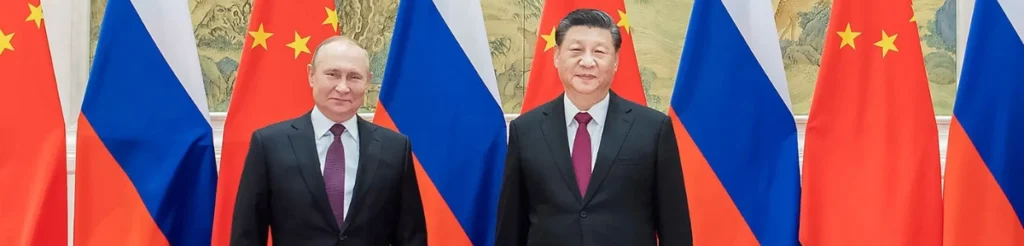
Russia has historically maintained strong relationships with several countries through military cooperation, energy agreements, trade partnerships, and political support. These alliances helped Moscow expand its influence across Europe, Asia, the Middle East, and Africa.
However, the ongoing economic strain caused by Western sanctions and the prolonged impact of international conflicts have weakened Russia’s ability to provide financial and military support to many partner nations. As a result, some allies are quietly reconsidering whether remaining closely tied to Russia is still beneficial for their long-term interests.
The latest ally shifting toward the United States reportedly ignored warnings from Russian officials who feared that closer ties with Washington could reduce Moscow’s influence in the region.
Why the Shift Toward the United States?
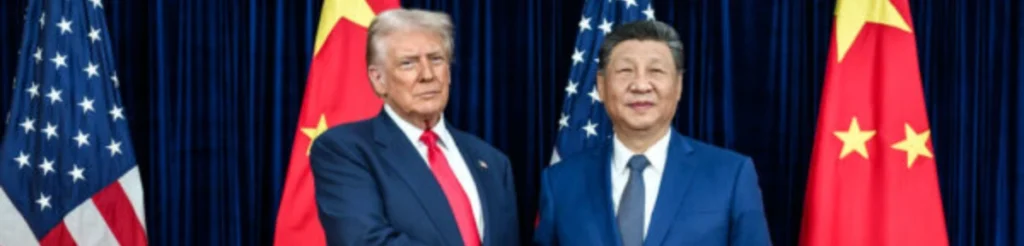
The United States continues to remain one of the world’s largest economic and military powers. For developing countries and strategic partners, closer relations with Washington can offer major advantages, including:
- Trade opportunities
- Foreign investment
- Military cooperation
- Access to advanced technology
- Diplomatic support
- Economic aid programs
Many nations are now prioritizing economic stability and international market access over traditional political loyalty. As global trade networks evolve, countries increasingly seek balanced foreign policies rather than dependence on a single superpower.
Political analysts believe the ally’s decision reflects practical economic calculations more than ideological change. The country may see better growth opportunities through cooperation with the US and Western economies.
Russia’s Warning and Concerns
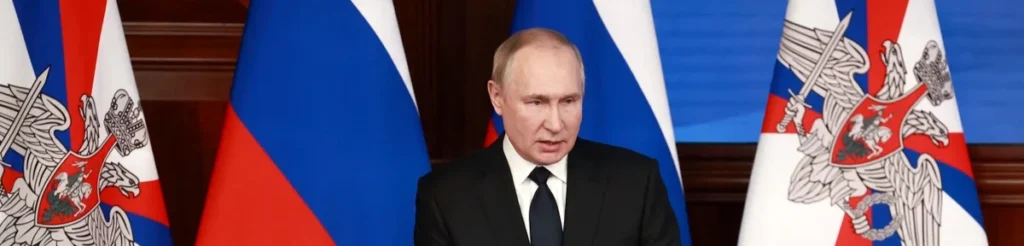
Russian officials reportedly expressed concerns about the ally strengthening ties with the United States. Moscow fears that such moves could encourage other partner nations to follow the same path.
For Russia, maintaining regional influence is critical to its geopolitical strategy. Losing trusted allies could weaken its military reach, trade influence, and diplomatic power in international organizations.
Russia has often used energy exports, security agreements, and political partnerships to maintain strong relationships. However, global sanctions and economic challenges have reduced Moscow’s leverage in some regions.
Experts believe the Kremlin worries that increased US influence near Russian-friendly territories may eventually shift regional alliances permanently.
Economic Pressure Is Changing Global Alliances

Economic survival is becoming a bigger priority than political loyalty for many governments. Countries facing inflation, debt, and unemployment are searching for partnerships that can improve trade, infrastructure, and investment opportunities.
The United States and Western institutions often provide access to international financial systems and global business markets. In contrast, Russia’s economy has struggled under restrictions imposed by Western countries.
This imbalance is pushing some governments to diversify their diplomatic relationships. Rather than fully abandoning Russia, many nations are attempting to balance ties between Moscow, Washington, China, and Europe.
The recent shift shows how modern diplomacy is increasingly driven by economics rather than historic political alignments.
Impact on Regional Politics
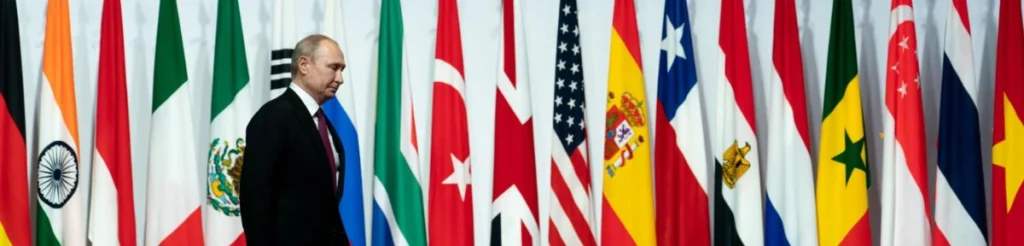
The ally’s decision could create significant ripple effects across the region. Neighboring countries may closely monitor whether the move brings economic or political benefits.
If the partnership with the United States proves successful, other nations may feel encouraged to strengthen relations with Western powers as well. This could gradually reduce Russia’s influence in areas where it once dominated regional politics.
On the other hand, Moscow may attempt to reinforce its alliances through new trade deals, military cooperation, or diplomatic pressure to prevent further losses.
Geopolitical experts say the situation reflects a broader global transition where middle-power countries are trying to remain flexible rather than permanently aligned with one major power.
US Strategy and Expanding Influence

For the United States, gaining influence with countries traditionally close to Russia represents a strategic diplomatic victory. Washington has been actively expanding partnerships around the world through trade agreements, defense cooperation, and economic initiatives.
American officials often promote partnerships focused on economic development, democratic institutions, and regional security cooperation. By attracting nations previously aligned with Moscow, the US strengthens its global influence while limiting Russia’s geopolitical reach.
The growing competition between global powers is reshaping diplomacy across multiple regions, including Eastern Europe, Asia, the Middle East, and Africa.
Could This Affect Russia’s Global Standing?
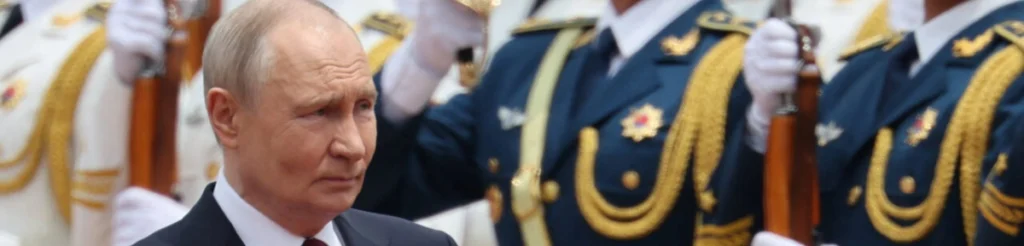
Russia remains a major military power with significant geopolitical influence, but repeated alliance shifts could slowly weaken its global standing over time.
International influence depends not only on military strength but also on economic partnerships, diplomatic trust, and long-term cooperation. If more allies begin seeking closer relations with Western nations, Russia may face increasing challenges maintaining its traditional sphere of influence.
However, analysts caution against assuming that one diplomatic shift means Russia’s alliances are collapsing entirely. Many countries still value their relationships with Moscow for security, energy, or strategic reasons.
Instead, experts describe the situation as part of a larger trend toward “multi-alignment,” where nations work with multiple global powers simultaneously to maximize their benefits.
Public Reactions and Global Attention
The reported diplomatic shift has attracted strong reactions from political observers worldwide. Supporters of stronger US partnerships argue that economic cooperation with Western nations could create better opportunities for development and modernization.
Others warn that growing rivalry between the US and Russia could increase regional tensions and geopolitical competition.
Social media discussions and international news coverage have highlighted how rapidly global alliances are evolving in response to economic pressures and strategic interests.
For ordinary citizens in the countries involved, the biggest concern often revolves around practical outcomes such as jobs, economic growth, security, and stability.
The Future of Global Alliances
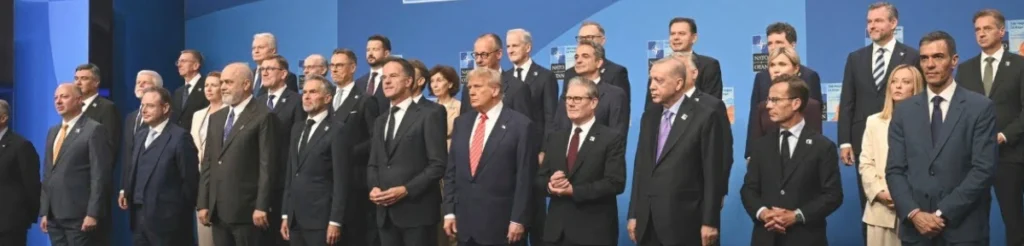
The changing relationship between Russia and one of its allies demonstrates how modern geopolitics is becoming increasingly fluid. Countries are no longer automatically loyal to traditional allies if better economic or strategic opportunities emerge elsewhere.
As global power competition continues, nations are likely to pursue more flexible foreign policies that balance relationships with multiple major powers.
The United States, Russia, China, and European nations are all competing for influence in a rapidly changing world order. Economic strength, technological advancement, and diplomatic engagement are becoming just as important as military capability.
Whether this latest shift becomes a temporary adjustment or a long-term strategic realignment remains uncertain. However, it clearly signals that the global political landscape is evolving faster than ever before.
Conclusion
The decision by a traditional Russian ally to strengthen ties with the United States despite Moscow’s warnings reflects the growing complexity of modern international politics. Economic realities, global sanctions, and shifting geopolitical priorities are reshaping alliances across the world.
While Russia still remains a powerful global player, the situation highlights the challenges Moscow faces in maintaining influence during a period of rapid international change.
At the same time, the United States continues expanding its diplomatic reach by offering economic partnerships and strategic cooperation to nations seeking new opportunities.