
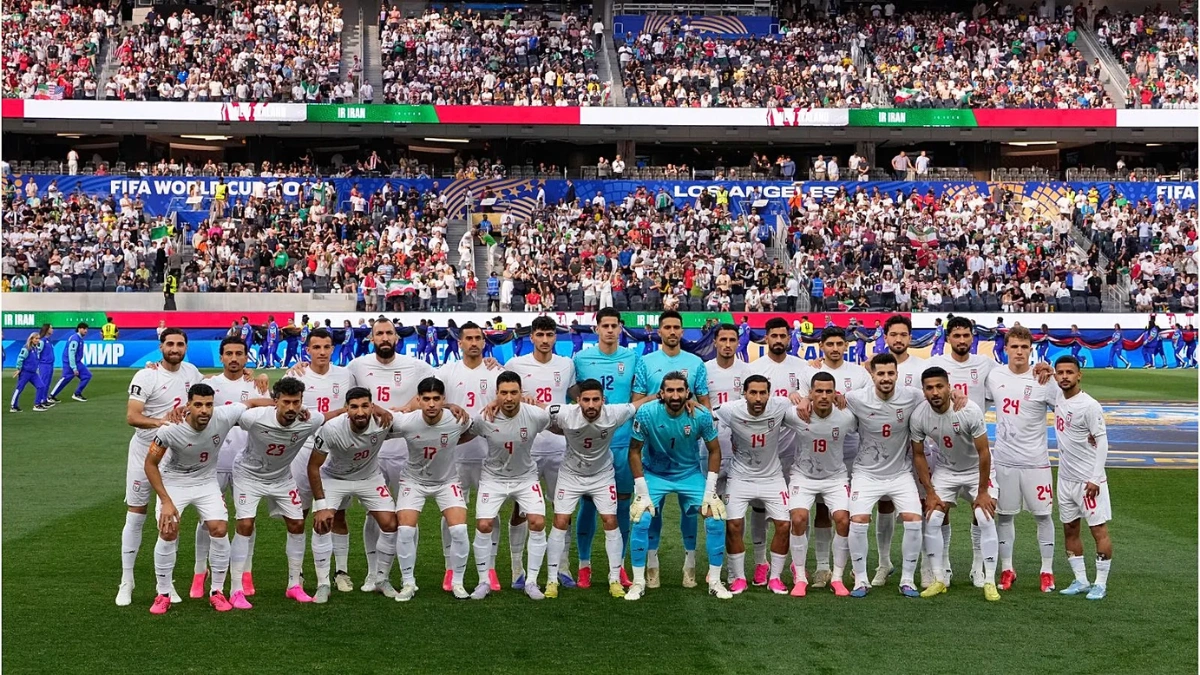
The 2026 FIFA World Cup has become more than a celebration of football. Amid growing geopolitical tensions between Iran and the United States, a fresh controversy involving the Iranian Football Federation has added another layer of complexity to the tournament. What should have been a showcase of international unity has instead become a stage where politics and sport are increasingly intertwined.
Recent comments and accusations exchanged between officials from both countries have intensified diplomatic friction. The dispute, which revolves around travel restrictions, visa issues, and allegations involving senior Iranian football officials, has sparked widespread debate about whether politics is overshadowing the world’s biggest sporting event.
Rising Friction Between Iran and the United States
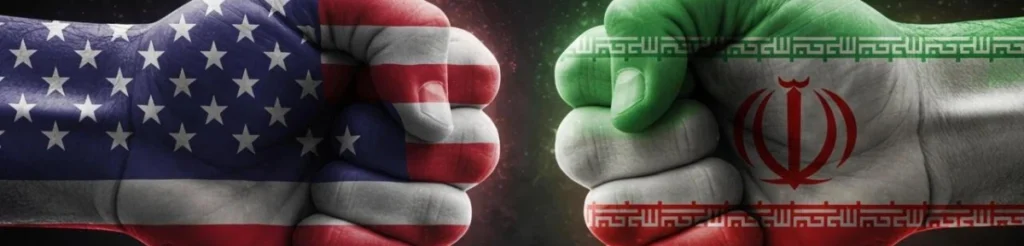
Relations between Tehran and Washington have remained strained for decades, and those tensions have spilled into football during the World Cup hosted by the United States, Canada, and Mexico. Iranian officials have accused the United States of unfair treatment, claiming that several members of their delegation faced visa problems and restrictions that disrupted the team’s preparations.
The situation escalated when the Iranian Football Federation reportedly described the United States as a “law-breaking country,” criticizing what it sees as discriminatory measures against its players and officials. The remarks were made amid accusations that some Iranian football administrators had ties to the Islamic Revolutionary Guard Corps, claims rejected by Tehran.
Visa Restrictions Create Challenges
Unlike many other participating nations, Iran’s team has faced unusual logistical challenges. Because of restrictions imposed by U.S. authorities, the squad has largely been based in Tijuana, Mexico, and has had to travel into the United States shortly before matches. Several support staff members were reportedly denied entry visas, forcing coaches and players to operate with limited personnel.
Iranian coach Amir Ghalenoei has repeatedly criticized the arrangements, arguing that the circumstances have affected the team physically and mentally.
According to Iranian officials:
- Travel schedules have reduced recovery time.
- Training sessions have been interrupted.
- Players have experienced fatigue from constant movement.
- Equal treatment compared with other teams has not been guaranteed.
These concerns have prompted the federation to consider filing formal complaints with FIFA.
FIFA Caught in the Middle

FIFA has long promoted the slogan “Football Unites the World.” However, the governing body now finds itself balancing sporting fairness with political realities.
Iranian officials believe FIFA should intervene more forcefully to ensure all teams receive equal treatment. Coach Ghalenoei has publicly called for support from other nations and questioned why exceptional arrangements were not granted to Iran despite difficult circumstances.
At the same time, American authorities argue that national security considerations cannot be ignored. Reports suggest concerns about alleged connections between certain federation officials and organizations considered sensitive by U.S. authorities. Those concerns have influenced decisions regarding visas and access.
Political Protests Surround Matches
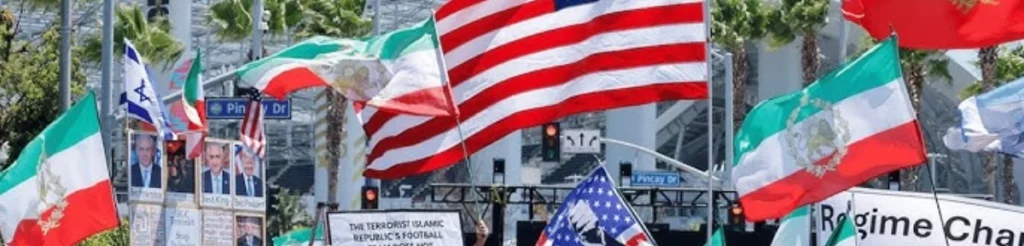
Iran’s World Cup games have also attracted demonstrations and protests among members of the Iranian diaspora living in North America. Supporters carrying different flags and symbols have reflected the divisions that exist within Iranian communities abroad.
Security incidents and confrontations outside stadiums have occasionally overshadowed events on the pitch. During Iran’s matches, authorities dealt with disturbances involving protesters and fans, highlighting how deeply politics remains connected with the country’s sporting identity.
Despite Problems, Iran Remains Competitive
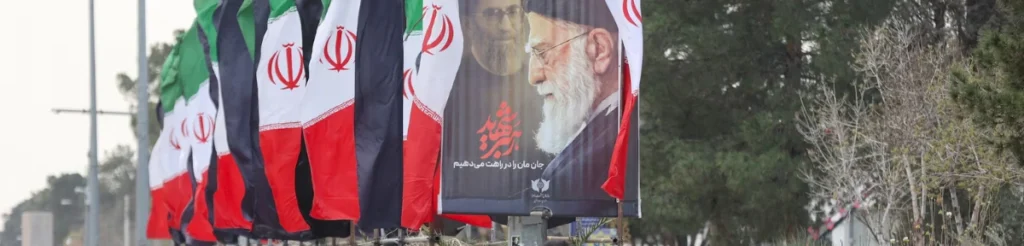
Amid the controversy, Iran’s national team has remained focused on football. Their performances have demonstrated resilience despite the off-field distractions.
The team has managed to remain unbeaten in group play, recording hard-fought draws against New Zealand and Belgium. Goalkeeper Alireza Beiranvand has delivered several impressive performances, while players have consistently spoken about representing their nation with pride despite the difficulties.
Many observers have praised the players for maintaining professionalism under extraordinary circumstances.
Sport and Politics Continue to Collide
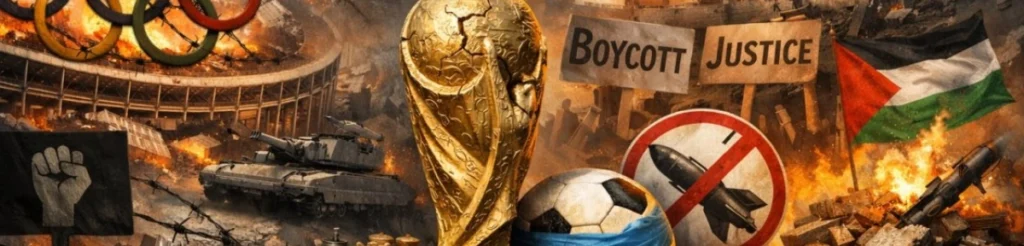
The Iran-US controversy raises larger questions about whether major international sporting events can truly remain separate from politics. From visa disputes and security concerns to diplomatic disagreements and public protests, football has become another arena where broader geopolitical tensions are playing out.
Critics argue that sporting events should promote unity and understanding, while others insist that security and political realities cannot simply be ignored. As a result, FIFA faces a difficult challenge in preserving fairness while respecting the laws and policies of host nations.
Looking Ahead
With Iran still fighting for qualification to the knockout stages, the focus will eventually return to the pitch. However, the diplomatic dispute between the Iranian Football Federation and the United States serves as a reminder that the World Cup is about far more than goals and trophies.
Whether relations improve or deteriorate further remains uncertain. What is clear is that the controversy has highlighted the complicated intersection of sport, diplomacy, and international politics in modern football.
As millions of fans watch the matches, the tournament continues to reveal that while football may unite people for 90 minutes, the realities of global politics are never far away.