
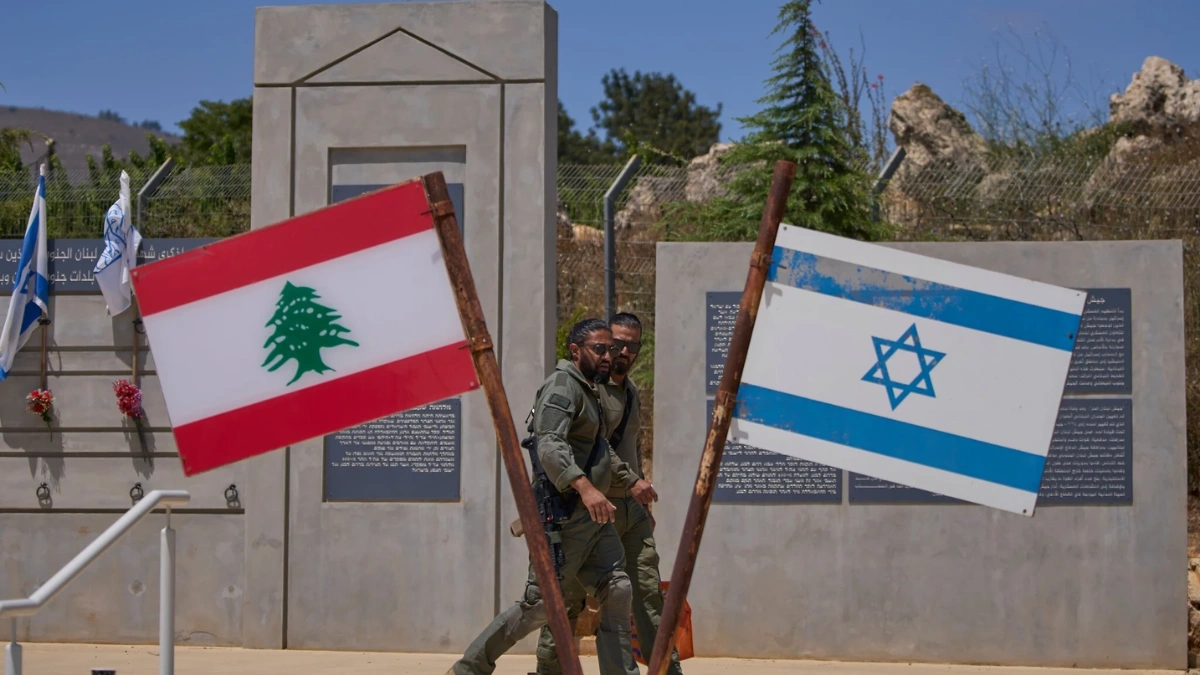
The Middle East remains one of the world’s most strategically important and politically complex regions. Every diplomatic agreement, ceasefire, or security arrangement has the potential to reshape regional alliances. The recent Lebanon deal has drawn significant international attention because it offers renewed hope for reducing tensions along Israel’s northern border while potentially limiting Iran’s growing influence through Hezbollah.
For Jerusalem, the agreement represents more than a temporary security arrangement. It is viewed as an opportunity to strengthen border stability, weaken Iran-backed militant activities, and encourage greater international involvement in maintaining peace in southern Lebanon.
Understanding the Lebanon Deal
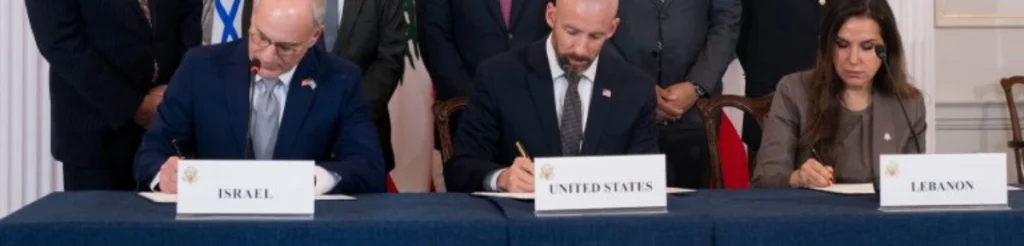
The agreement aims to reduce hostilities between Israel and armed groups operating from southern Lebanon. While the exact implementation depends on political cooperation and international monitoring, the primary objectives include:
- Preventing further military escalation.
- Increasing security along the Israel-Lebanon border.
- Strengthening Lebanese state institutions.
- Expanding international peacekeeping efforts.
- Limiting unauthorized armed activity near the border.
Although the agreement does not solve every regional dispute, it creates a framework for reducing immediate military tensions.
Why Lebanon Matters to Israel
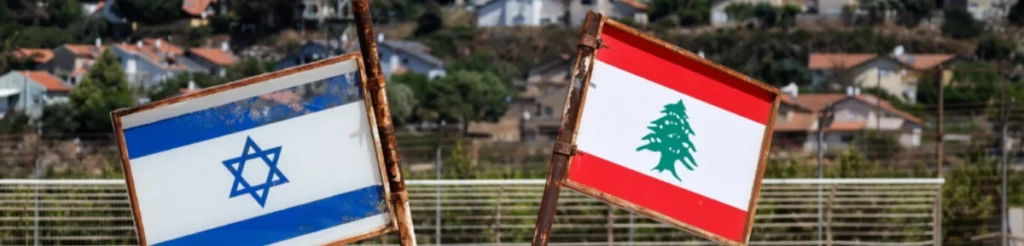
Israel shares a northern border with Lebanon, making developments there directly linked to its national security.
For years, Israeli communities near the border have faced security concerns due to rocket attacks, cross-border incidents, and military buildups by Hezbollah.
A more stable Lebanon could offer several advantages:
- Improved civilian security.
- Reduced risk of border conflict.
- Greater economic stability in northern Israel.
- Better conditions for diplomatic engagement.
These factors explain why Jerusalem views the agreement as strategically important.
Iran’s Influence in Lebanon
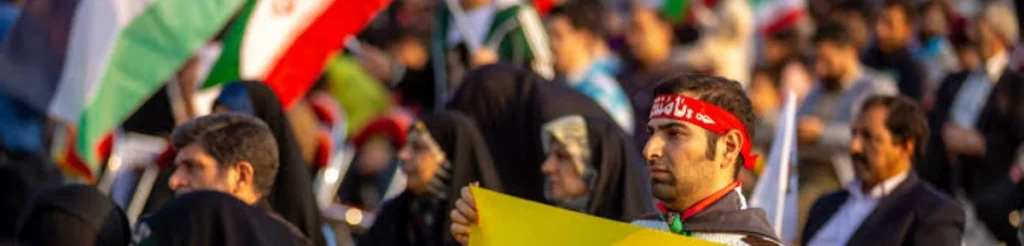
Iran has long viewed Lebanon as an important part of its regional strategy.
Through political support, military assistance, and financial backing of Hezbollah, Iran has established significant influence within Lebanon’s security landscape.
Iran’s broader regional objectives include:
- Expanding strategic influence across the Middle East.
- Supporting allied groups.
- Deterring regional adversaries.
- Increasing political leverage in regional negotiations.
Because of these objectives, any effort to strengthen Lebanese government authority is often seen as reducing space for non-state armed actors.
Hezbollah’s Role

Hezbollah remains one of the most influential political and military organizations in Lebanon.
Originally formed during the Lebanese civil conflict, it has evolved into both:
- A major political party.
- A powerful armed organization.
Its military capabilities have been central to Israel’s security concerns for decades.
The group’s influence extends beyond military operations into Lebanese politics, social services, and regional affairs.
Why Jerusalem Sees Opportunity
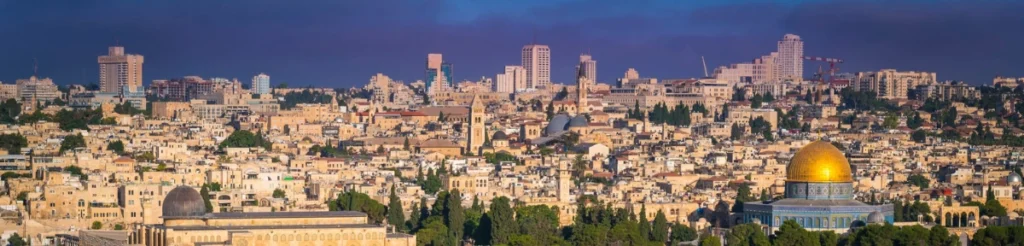
Israeli officials believe the new agreement could help shift security dynamics in several ways.
1. Reduced Border Tensions
One immediate benefit would be fewer military incidents along the northern border.
Lower tensions reduce risks for civilians while giving both governments more room for diplomacy.
2. Stronger Lebanese Institutions
If Lebanon’s official security forces assume greater responsibility for border security, the role of independent armed groups may gradually decline.
A stronger national government often contributes to long-term stability.
3. Greater International Monitoring
International peacekeeping missions and diplomatic oversight can discourage violations and improve transparency.
External monitoring also increases accountability for all parties involved.
4. Regional Diplomatic Momentum
Recent years have seen multiple diplomatic efforts aimed at reducing conflict across the Middle East.
The Lebanon agreement may encourage additional regional cooperation on security issues.
Challenges Ahead
Despite optimism, implementation remains difficult.
Several obstacles continue to exist.
Political Divisions
Lebanon’s political system remains deeply divided.
Economic difficulties and internal disagreements can slow implementation of reforms.
Security Risks
Any isolated military incident has the potential to derail diplomatic progress.
Small confrontations can quickly escalate if not managed carefully.
Economic Crisis
Lebanon continues to experience one of its worst economic crises in modern history.
Financial instability affects government capacity, public services, and national security institutions.
Regional Competition
The Middle East remains influenced by competing regional interests.
Multiple countries maintain strategic priorities that may complicate long-term agreements.
International Support

Several international partners have welcomed efforts to reduce tensions.
The broader international community generally supports:
- Border stability.
- Civilian protection.
- Diplomatic conflict resolution.
- Strengthened Lebanese institutions.
- Prevention of wider regional conflict.
Continued international engagement will likely play a significant role in maintaining momentum.
Impact on Regional Security
If successfully implemented, the agreement could have broader regional implications.
Potential outcomes include:
Lower Risk of Major Conflict
Reducing border incidents decreases the possibility of large-scale military escalation.
Improved Civilian Safety
Communities on both sides of the border benefit from greater security and reduced displacement.
Better Economic Prospects
Stability often encourages investment, tourism, and reconstruction efforts.
Increased Diplomatic Engagement
Successful agreements can build confidence for future negotiations involving other regional disputes.
What It Means for Iran
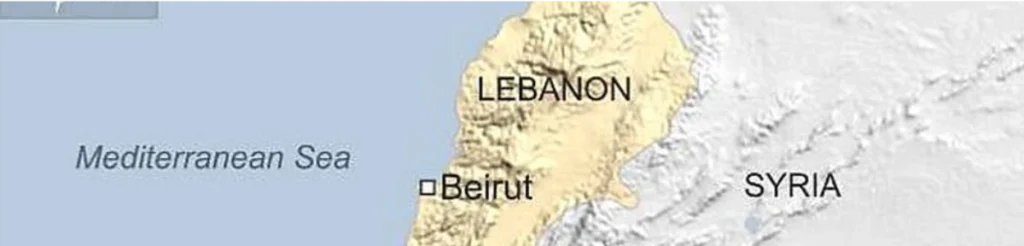
From Iran’s perspective, developments in Lebanon remain strategically significant.
Should Lebanese state institutions gain greater authority over border security, Iran’s indirect regional influence could face new constraints.
However, Iran continues to maintain political and diplomatic relationships throughout the region, meaning its broader role is unlikely to disappear overnight.
Most analysts believe any shift in regional influence would occur gradually rather than immediately.
What It Means for Lebanon

For Lebanon, lasting stability offers opportunities beyond security.
The country faces enormous economic and humanitarian challenges.
A more peaceful environment could support:
- Economic recovery.
- Infrastructure rebuilding.
- International investment.
- Tourism growth.
- Improved public confidence.
However, these benefits depend on sustained political cooperation and effective governance.
The Road Ahead
The Lebanon agreement represents an important diplomatic step rather than a final solution.
Its success will depend on:
- Consistent implementation.
- Respect for agreed security arrangements.
- Strong international cooperation.
- Political stability inside Lebanon.
- Continued dialogue among regional stakeholders.
History shows that Middle Eastern peace efforts often require patience, flexibility, and sustained diplomatic commitment.
Conclusion
The new Lebanon deal has renewed Jerusalem’s hopes of improving security along Israel’s northern border while potentially limiting Iran’s regional influence through stronger Lebanese institutions and international cooperation.
Although significant challenges remain—including political divisions, economic pressures, and regional rivalries—the agreement provides an opportunity to reduce tensions and encourage long-term stability. Whether it succeeds will depend on careful implementation, ongoing diplomatic engagement, and the willingness of all parties to prioritize peace over confrontation.
If sustained, the agreement could become an important milestone toward a more secure and stable Middle East, benefiting not only Israel and Lebanon but the wider region as well.