
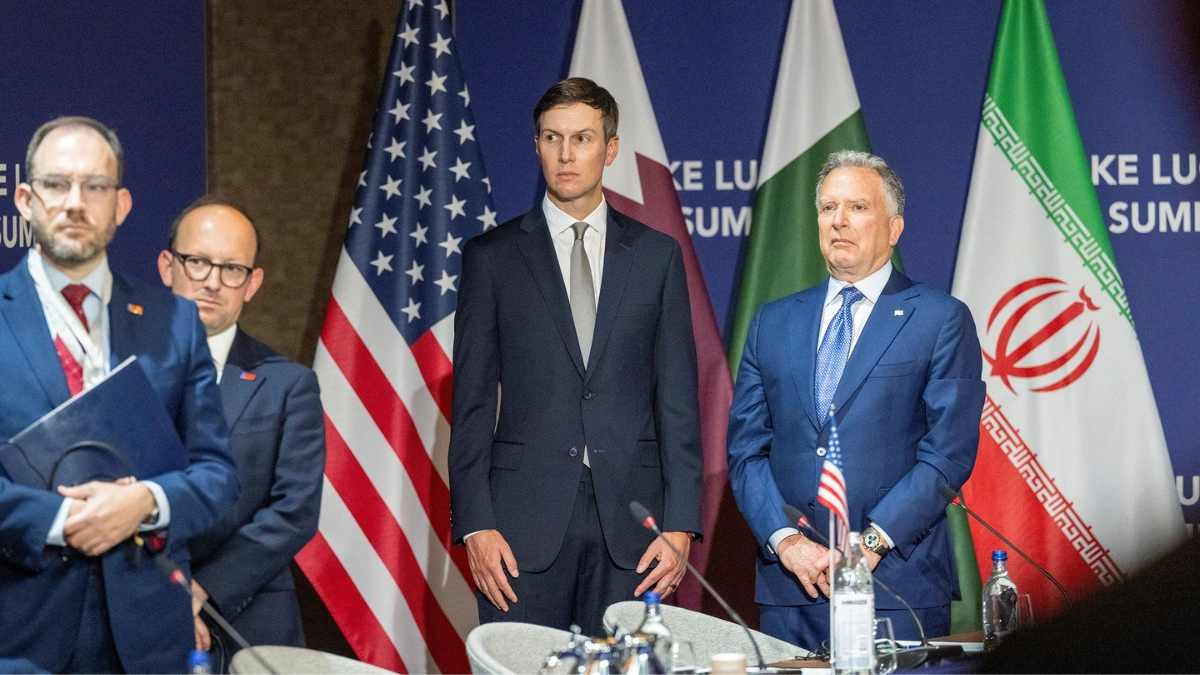
The long-running diplomatic contest between Iran and the United States has entered another critical phase, with Tehran once again demonstrating its ability to navigate negotiations in ways that protect its strategic interests. While Washington continues to rely on sanctions, military pressure, and diplomatic isolation, Iran has shown remarkable resilience by leveraging regional alliances, economic partnerships, and carefully timed diplomatic engagement.
Rather than engaging in direct confrontation, Iran has adopted a strategy that allows it to negotiate from a position of patience. As global geopolitical priorities shift and conflicts elsewhere demand international attention, Tehran appears increasingly confident that time is working in its favour.
A History of Complex Negotiations
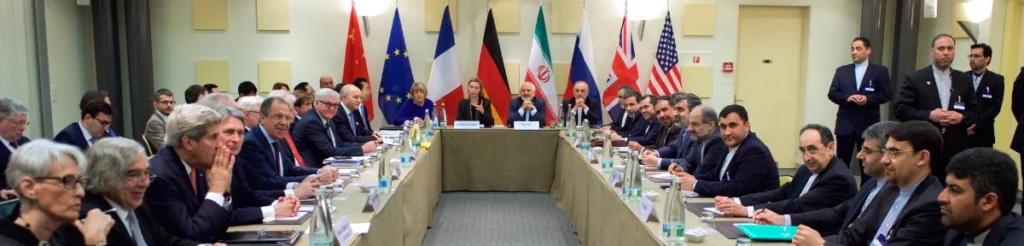
Relations between the United States and Iran have remained tense since the 1979 Iranian Revolution. Over the decades, disputes over Iran’s nuclear programme, regional influence, missile development, and sanctions have dominated diplomatic discussions.
The 2015 Joint Comprehensive Plan of Action (JCPOA) marked a rare diplomatic breakthrough. Under the agreement, Iran accepted strict limits on its nuclear programme in exchange for sanctions relief.
However, the U.S. withdrawal from the agreement in 2018 fundamentally changed the negotiating landscape. Washington reinstated severe economic sanctions under its “maximum pressure” campaign, while Iran gradually reduced its compliance with several nuclear commitments.
Since then, multiple attempts to revive negotiations have struggled to produce lasting results.
Tehran’s Strategy: Patience Over Pressure
One of Iran’s greatest negotiating strengths has been its willingness to wait.
Unlike many countries that may rush toward agreements under economic pressure, Iranian policymakers often calculate that prolonged negotiations can improve their bargaining position.
This approach includes:
- Avoiding unnecessary concessions early.
- Responding gradually to international pressure.
- Preserving leverage for future talks.
- Demonstrating resilience against sanctions.
Iran’s leadership frequently argues that previous experiences have shown that immediate compromises do not necessarily lead to long-term economic benefits.
As a result, Tehran often approaches negotiations cautiously, preferring incremental diplomacy over rapid agreements.
Regional Influence Strengthens Iran’s Position
Iran’s influence across the Middle East remains an important factor in negotiations.
Its relationships with various regional partners provide strategic depth that extends beyond the nuclear issue.
These regional dynamics mean that discussions with Iran rarely focus on a single subject. Instead, negotiations often involve broader concerns including:
- Maritime security
- Regional stability
- Energy transportation
- Proxy conflicts
- Counterterrorism
- Missile development
Because these issues are interconnected, Iran possesses multiple areas of influence that can shape diplomatic discussions.
Sanctions Have Not Produced Expected Results

For years, Washington has relied heavily on economic sanctions to pressure Iran.
These sanctions have undoubtedly affected Iran’s economy through:
- Reduced oil exports
- Higher inflation
- Currency depreciation
- Banking restrictions
- Lower foreign investment
Yet sanctions have not achieved every strategic objective.
Instead, Iran has gradually adapted by:
- Expanding domestic production.
- Increasing regional trade.
- Developing alternative financial arrangements.
- Strengthening economic ties with Asian partners.
- Diversifying export markets.
While sanctions continue to create economic hardship, they have not forced Tehran into accepting every American demand.
Expanding Partnerships Outside the West
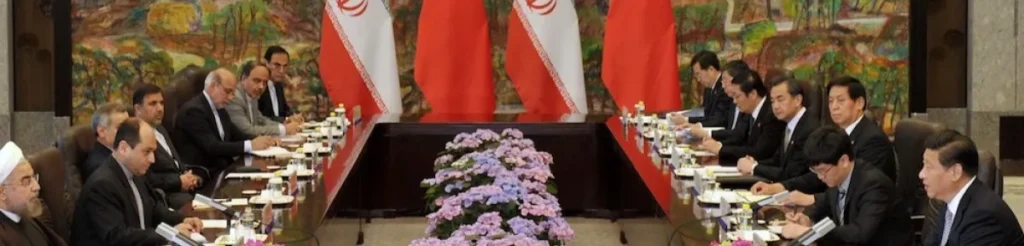
Another factor strengthening Iran’s negotiating position is its growing cooperation with non-Western powers.
Countries including China and Russia have increased political and economic engagement with Tehran.
China remains one of Iran’s largest energy customers and has invested in long-term infrastructure cooperation.
Russia has also expanded diplomatic coordination with Iran on several regional issues.
These partnerships reduce Iran’s dependence on Western economies and provide alternative diplomatic options during negotiations.
The emergence of a more multipolar international system has given Iran greater flexibility than in previous decades.
Energy Markets Influence Diplomacy
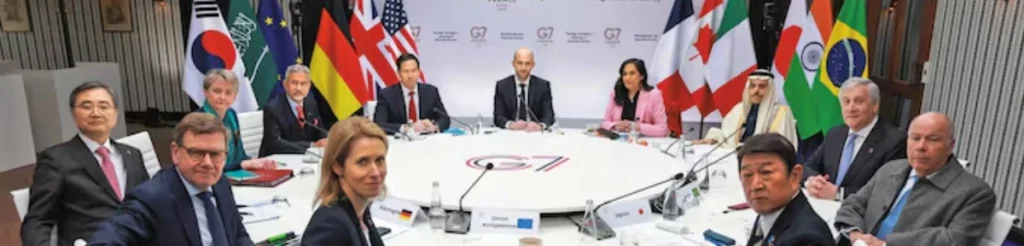
Global energy markets continue to shape negotiations.
Iran possesses some of the world’s largest oil and natural gas reserves.
Although sanctions limit exports, international concern about energy security often increases interest in diplomatic engagement with Tehran.
Periods of higher oil prices or supply disruptions can increase Iran’s strategic importance.
This gives Tehran additional leverage during discussions involving sanctions relief or export restrictions.
Nuclear Programme Remains Central
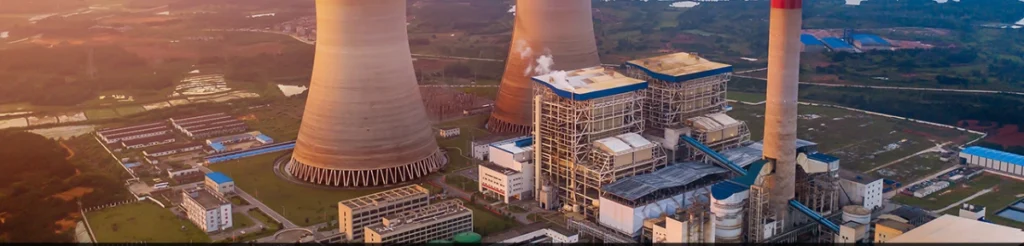
Iran’s nuclear programme continues to dominate negotiations.
Tehran insists that its nuclear activities are intended for peaceful purposes, including electricity generation and scientific research.
However, Western governments remain concerned about uranium enrichment levels and the potential for future weapons capability.
Negotiations therefore focus on balancing:
- Verification mechanisms
- Inspection access
- Enrichment limits
- Sanctions relief
- International monitoring
Both sides face difficult political choices.
Washington seeks stronger guarantees.
Tehran seeks meaningful economic benefits.
Finding a balance between these goals has proven challenging.
Domestic Politics Shape Negotiations
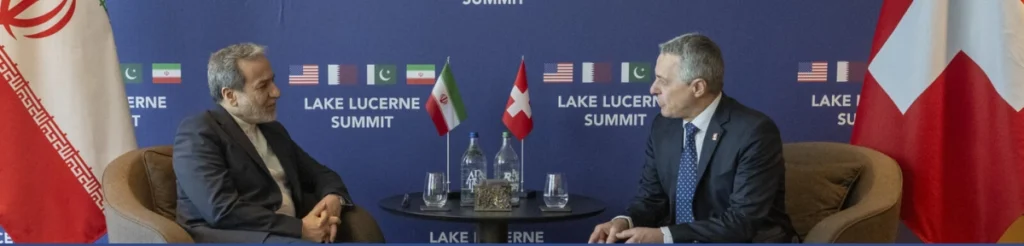
Political considerations inside both countries complicate diplomacy.
In Iran
Leaders must demonstrate that negotiations protect national sovereignty without appearing to surrender to external pressure.
Public opinion also plays an important role, particularly regarding sanctions and economic conditions.
In the United States
Any agreement involving Iran often faces intense debate within Congress and among political parties.
Different administrations have adopted different approaches, creating uncertainty about the long-term durability of any future agreement.
This political uncertainty makes Iranian negotiators cautious about accepting commitments that could later be reversed.
Military Pressure Versus Diplomatic Leverage
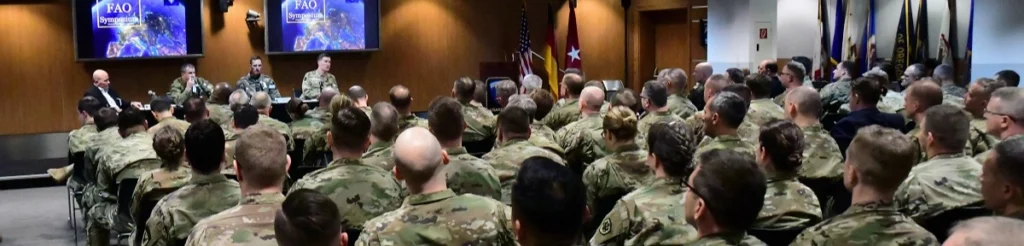
Military actions and regional tensions frequently affect negotiations.
Strikes, cyber operations, naval incidents, and proxy conflicts increase mistrust while simultaneously raising the urgency of diplomatic communication.
Interestingly, periods of heightened military tension do not always strengthen Washington’s bargaining position.
Iran has repeatedly demonstrated an ability to separate military developments from diplomatic negotiations, allowing it to continue discussions while responding to security concerns through other channels.
This dual-track approach often complicates American negotiating strategies.
The Importance of Time
Time has become one of Iran’s most valuable negotiating tools.
Rather than accepting immediate compromises, Tehran often calculates that international priorities will change.
Recent years have seen global attention divided among multiple crises, including:
- European security challenges
- Middle Eastern conflicts
- Energy market volatility
- Global inflation
- Supply chain disruptions
As new international priorities emerge, Iran believes pressure campaigns become more difficult to sustain over long periods.
Challenges Facing Washington
The United States faces several negotiating challenges:
- Maintaining international support for sanctions.
- Preventing further nuclear escalation.
- Avoiding wider regional conflict.
- Protecting allies.
- Keeping diplomatic channels open.
Balancing these objectives simultaneously is extremely difficult.
Each policy decision affects multiple strategic priorities.
Is Iran Really Outmaneuvering Washington?
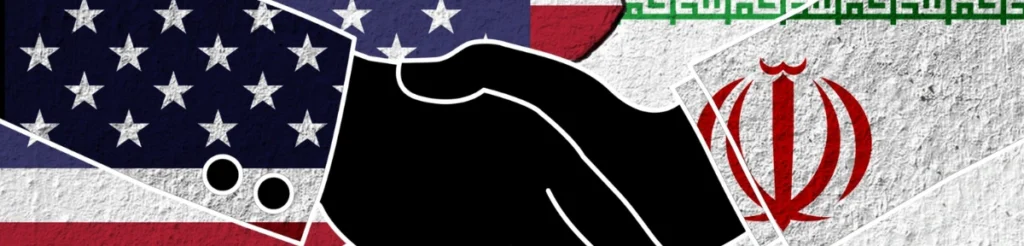
Whether Iran is truly “outmaneuvering” the United States depends on how success is measured.
Supporters of Tehran’s strategy argue that Iran has:
- Preserved its political system despite decades of sanctions.
- Expanded regional influence.
- Strengthened ties with major non-Western powers.
- Maintained negotiating leverage.
Critics, however, point out that Iran continues to face:
- Persistent economic difficulties.
- High inflation.
- Reduced foreign investment.
- Ongoing international isolation in several areas.
Similarly, the United States has succeeded in imposing significant economic costs on Iran but has struggled to secure a comprehensive and lasting diplomatic settlement.
The Road Ahead
Future negotiations are likely to remain slow and complex.
Neither side appears willing to abandon diplomacy completely, yet neither seems prepared to make the broad concessions necessary for a comprehensive breakthrough.
Incremental agreements on sanctions relief, nuclear monitoring, humanitarian issues, or regional security may prove more achievable than an all-encompassing deal.
Much will depend on regional developments, domestic politics, global energy markets, and the willingness of both governments to rebuild trust after years of confrontation.
Conclusion
The diplomatic contest between Iran and the United States remains one of the world’s most intricate geopolitical rivalries. Iran’s patient negotiating strategy, regional influence, diversified international partnerships, and willingness to withstand prolonged economic pressure have often allowed it to retain leverage during talks. At the same time, the United States continues to possess significant economic, military, and diplomatic influence.
Rather than a clear victory for either side, the negotiations reflect an ongoing balance of competing interests, where both countries achieve some objectives while falling short on others. As global dynamics continue to evolve, future negotiations will likely remain shaped by strategic patience, regional developments, and the broader international landscape.