
Oil prices stabilized after falling for two consecutive trading sessions as investors shifted their attention to one of the world’s most important energy chokepoints—the Strait of Hormuz. Although recent declines reflected easing fears of immediate supply disruptions, traders remain cautious because any change in shipping activity through the narrow waterway could significantly impact global crude markets.
The Strait of Hormuz has long been at the center of geopolitical tensions involving Iran, the United States, and Gulf nations. Since nearly one-fifth of the world’s oil supply passes through this strategic route, even the possibility of disruption can influence prices. While tankers continue to transit the strait without major interruptions, markets remain highly sensitive to developments in the region.
Oil Prices Find Stability

After two days of losses, benchmark crude prices steadied as investors assessed whether geopolitical risks would translate into actual supply shortages. The earlier decline was driven by optimism that major shipping routes remained open and that fears of an immediate escalation had eased.
However, oil markets rarely ignore geopolitical uncertainty for long. Traders continue to monitor military movements, diplomatic negotiations, and shipping data for signs that the situation could deteriorate.
Price stabilization reflects a market balancing two competing forces:
- Reduced immediate concerns over supply disruptions.
- Ongoing geopolitical uncertainty in the Middle East.
This balance has kept oil prices from experiencing either a sharp rebound or another steep decline.
Iran Is Outmaneuvering the United States at the Negotiating Table Again
Why the Strait of Hormuz Matters
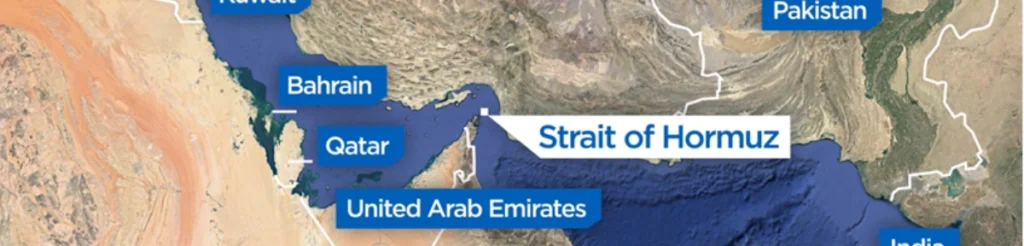
The Strait of Hormuz connects the Persian Gulf with the Gulf of Oman and the Arabian Sea. It is considered one of the world’s most strategic maritime routes.
Approximately 20% of global oil consumption moves through this narrow passage every day. Major oil exporters including Saudi Arabia, Iraq, Kuwait, the United Arab Emirates, Qatar, and Iran rely on the strait to transport crude oil and liquefied natural gas (LNG) to international markets.
Because of its strategic importance, any military conflict, shipping restrictions, or attacks near the strait immediately attract global attention.
Even temporary disruptions could have significant consequences for:
- Global oil prices
- Energy security
- Shipping costs
- Inflation
- Industrial production worldwide
Investors Closely Watch Tanker Traffic
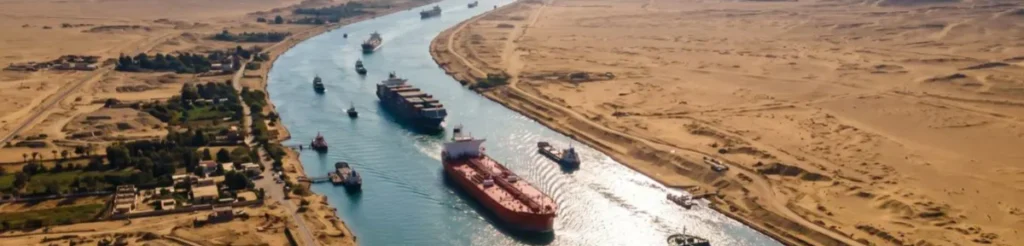
Rather than reacting solely to political headlines, investors are increasingly tracking actual shipping activity.
Satellite tracking systems, maritime intelligence services, and tanker monitoring platforms provide real-time information about vessel movements through the Strait of Hormuz.
Key indicators include:
- Number of oil tankers entering and leaving the Gulf.
- Delays in shipping schedules.
- Insurance costs for vessels.
- Changes in freight rates.
- Military escorts for commercial ships.
As long as oil continues flowing normally, markets tend to avoid pricing in worst-case scenarios.
Geopolitical Risks Remain

Although shipping has remained largely uninterrupted, tensions continue between Iran and Western countries.
Several factors contribute to investor caution:
- Military deployments in the Gulf.
- Naval patrols by regional and international forces.
- Diplomatic disagreements over sanctions.
- Concerns regarding potential retaliation following regional conflicts.
- Ongoing security warnings for commercial shipping.
Markets understand that geopolitical situations can change rapidly, making traders reluctant to become overly optimistic.
Supply Fundamentals Also Support Prices

Beyond geopolitical developments, oil prices continue to be influenced by broader supply and demand fundamentals.
OPEC+ Production Strategy
The Organization of the Petroleum Exporting Countries (OPEC+) continues managing production carefully to support market stability.
Production adjustments by Saudi Arabia and Russia remain key factors affecting global supply.
If geopolitical tensions ease while OPEC+ limits output, prices could remain relatively stable despite weaker risk premiums.
Global Demand Outlook
Demand expectations also play an important role.
Investors are watching:
- Economic growth in China.
- U.S. fuel consumption.
- European industrial activity.
- Airline travel demand.
- Seasonal driving demand.
Slower global economic growth could reduce oil demand, limiting price increases even if geopolitical risks persist.
Shipping Costs Could Rise
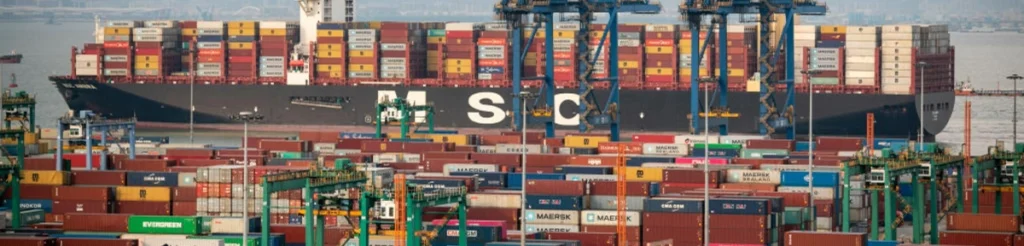
Even if oil exports continue without interruption, shipping expenses can increase during periods of heightened geopolitical tension.
Higher insurance premiums, security measures, and rerouted vessels all contribute to increased transportation costs.
These additional costs may eventually be reflected in:
- Fuel prices
- Freight charges
- Consumer goods
- Manufacturing expenses
Thus, uninterrupted oil flow does not necessarily mean energy markets remain unaffected.
Financial Markets Remain Cautious

Oil traders are not the only ones watching developments.
Currency markets, stock exchanges, and bond investors also monitor Middle East tensions closely.
Energy-producing countries often benefit from higher oil prices, while energy-importing nations face increased import bills and inflation risks.
Central banks also monitor oil markets because sustained increases in energy prices can complicate efforts to control inflation.
What Traders Are Watching Next

Several developments could determine oil’s next move:
Shipping Activity
The most immediate indicator remains uninterrupted tanker movement through the Strait of Hormuz.
Diplomatic Negotiations
Any progress in reducing regional tensions could lower the geopolitical risk premium.
Military Developments
Unexpected military incidents could quickly reverse recent price declines.
U.S. Inventory Data
Weekly inventory reports remain important indicators of supply-demand balance.
OPEC+ Decisions
Future production adjustments could influence prices regardless of geopolitical developments.
Market Sentiment
Current market sentiment reflects cautious optimism.
While fears of an immediate supply crisis have eased, investors recognize that the geopolitical environment remains unpredictable.
This has created a market where prices react quickly to headlines while remaining anchored by actual supply conditions.
As long as crude exports continue flowing through the Strait of Hormuz without significant disruption, oil prices may remain relatively stable. However, even minor incidents involving commercial shipping could rapidly increase volatility.
Conclusion
Oil prices have steadied after a two-day decline as investors carefully monitor shipping through the Strait of Hormuz. Although recent market losses reflected reduced fears of immediate supply disruptions, geopolitical risks remain an important factor influencing global energy markets.
The continued movement of oil tankers through this critical waterway has helped calm investor concerns for now. Nevertheless, tensions in the Middle East, OPEC+ production policies, global demand trends, and economic conditions continue to shape market expectations.
With the Strait of Hormuz serving as one of the world’s most vital energy corridors, traders are likely to remain highly attentive to every development. In today’s interconnected global economy, maintaining secure and uninterrupted energy transportation remains essential not only for oil markets but also for global economic stability.