
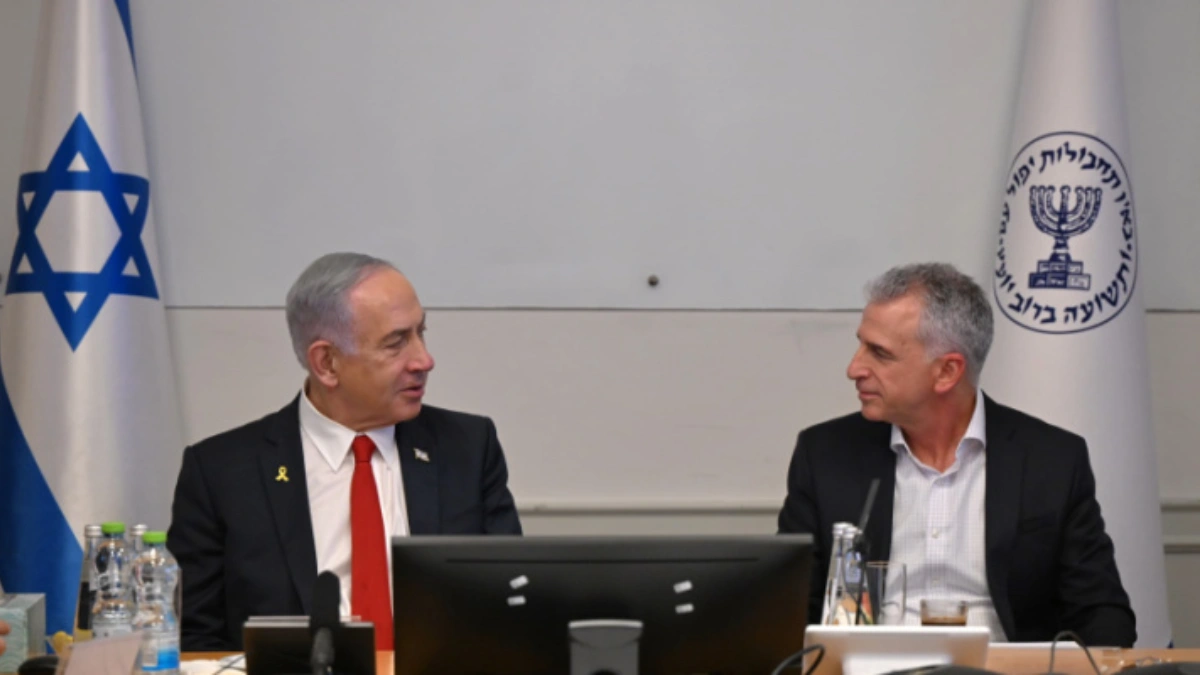
Tensions in the Middle East have intensified following a striking statement from David Barnea, the head of Israel’s intelligence agency Mossad. Barnea declared that Israel’s mission against Iran will not be considered complete until what he described as the country’s “extremist regime” is replaced. The remarks signal a potentially long-term strategic objective that extends beyond military strikes and into broader geopolitical ambitions.
The statement comes at a time when the region is already grappling with escalating tensions, fragile ceasefires, and rising fears of prolonged conflict. Barnea’s comments have sparked widespread debate about Israel’s long-term intentions, the risks of further escalation, and the future of diplomacy in the Middle East.
A Strong and Direct Warning

During a national remembrance ceremony, David Barnea delivered one of the clearest statements yet regarding Israel’s goals. He emphasized that Israel’s campaign against Iran was not designed to end quickly and would continue until leadership change occurs in Tehran.
“Our mission has yet to be completed… Our obligation will be discharged only after this extremist regime is replaced,” Barnea reportedly stated, describing Iran’s leadership as a persistent threat to Israel’s security.
This message reflects a strategic shift in tone. Rather than focusing solely on military objectives, Israel appears to be framing the conflict as a broader struggle involving political and ideological dimensions.
Long-Term Strategy Rather Than Short-Term Conflict
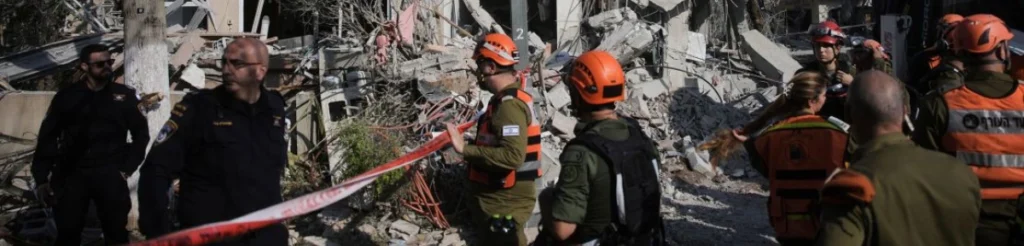
Barnea’s remarks also indicated that Israel never expected the conflict to be resolved quickly. According to reports, the intelligence chief said operations were carefully planned to continue even after active military strikes slowed or ended.
This suggests that Israel’s approach toward Iran includes:
- Intelligence operations
- Cyber warfare
- Covert missions
- Diplomatic pressure
- Regional alliances
Security experts believe this multi-layered strategy could extend for years, especially if diplomatic negotiations fail to produce meaningful outcomes.
Rising Tensions Across the Middle East
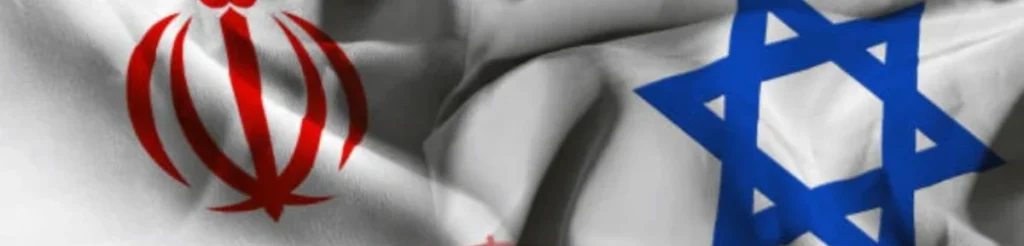
The statement from Mossad comes amid growing instability in the Middle East. Recent developments have included military exchanges, proxy conflicts, and diplomatic tensions involving multiple countries.
The conflict between Israel and Iran has long involved indirect confrontations, often through regional allies and proxy groups. However, the recent escalation has brought the two countries closer to direct confrontation.
Analysts warn that such statements could:
- Increase military tensions
- Complicate diplomatic negotiations
- Raise global security concerns
- Affect oil markets and global economy
Israel’s Security Concerns
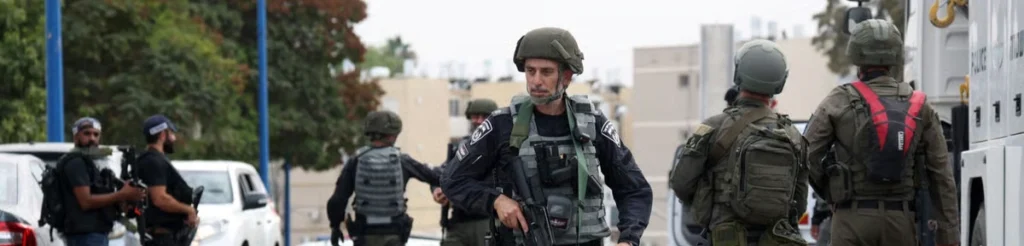
Israel has repeatedly expressed concerns about Iran’s military capabilities and regional influence. Officials argue that Iran’s support for armed groups across the Middle East poses a direct threat to Israel’s national security.
From Israel’s perspective, intelligence operations are necessary to prevent potential attacks and maintain strategic balance in the region. Supporters of Israel’s position argue that proactive measures are essential for national defense.
However, critics warn that aiming for regime change in another country could lead to prolonged instability and unpredictable consequences.
Diplomatic Implications
Barnea’s remarks could complicate diplomatic efforts between United States, Iran, and other international actors. Negotiations aimed at reducing tensions may face additional challenges if one side openly seeks regime change.
Diplomats often emphasize dialogue and compromise as key tools for conflict resolution. Statements suggesting long-term confrontation may reduce opportunities for peaceful solutions.
Experts say the situation now depends on:
- International diplomacy
- Regional alliances
- Military developments
- Political leadership decisions
Global Reactions and Concerns

International observers have reacted cautiously to the remarks. Some governments have expressed concern about escalation, while others emphasize the need for diplomacy.
Global markets also tend to react to geopolitical tensions. Prolonged instability in the Middle East can influence oil prices, trade routes, and global economic conditions.
Security analysts warn that continued tensions between Israel and Iran could affect multiple regions beyond the Middle East.
The Future of the Conflict

The statement from David Barnea suggests that the conflict may continue beyond traditional military operations. Intelligence and diplomatic efforts could play a major role moving forward.
Possible scenarios include:
- Continued covert operations
- Diplomatic negotiations
- Regional alliances strengthening
- Military deterrence strategies
Experts note that outcomes remain uncertain, and developments could change quickly depending on political and military decisions.
Conclusion
The remarks from David Barnea have added a new dimension to the ongoing tensions between Israel and Iran. By stating that the mission will only end when Iran’s “extremist regime” is replaced, Israel’s intelligence chief has signaled a long-term strategic objective.
As diplomatic efforts continue and tensions remain high, the world will be closely watching how events unfold. The coming weeks and months may determine whether the region moves toward escalation or renewed diplomacy.
For now, the statement underscores one thing clearly — the conflict is far from over, and its impact may shape Middle East geopolitics for years to come.