
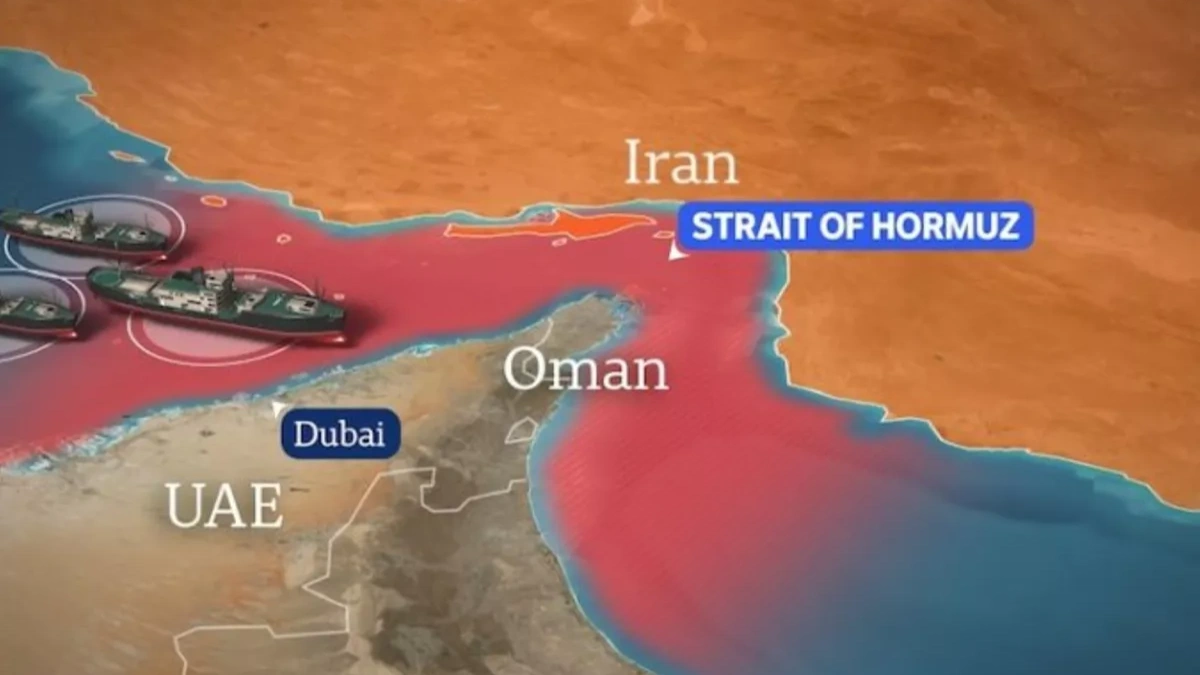
A major maritime security incident has raised tensions once again in the Middle East after reports emerged that a ship anchored near the United Arab Emirates was seized and redirected toward Iranian territorial waters. The development has sparked international concern because it occurred near the Strait of Hormuz — one of the world’s most critical oil shipping routes.
According to the United Kingdom Maritime Trade Operations (UKMTO), the vessel was reportedly taken by “unauthorized personnel” while anchored about 38 nautical miles northeast of Fujairah, a major UAE port city. The agency stated that the ship is now believed to be heading toward Iranian waters.
The incident comes at a time of already rising tensions involving Iran, the United States, Israel, and Gulf nations. Global markets, shipping companies, and governments are closely monitoring the situation due to fears of another escalation in the region.
Why the Strait of Hormuz Matters
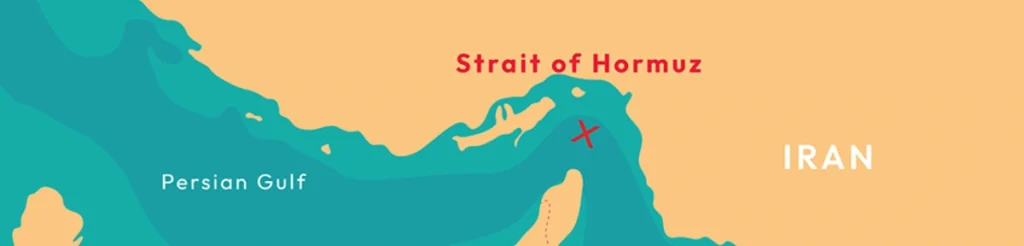
The Strait of Hormuz is considered one of the most strategically important waterways in the world. Nearly one-fifth of global oil supplies pass through this narrow route connecting the Persian Gulf to international waters.
Countries such as Saudi Arabia, Iraq, Kuwait, the UAE, and Iran rely heavily on the strait for oil exports. Any disruption in the area can immediately affect global fuel prices, international shipping, and financial markets.
Because of its importance, even a single ship seizure can create worldwide economic concerns.
Recent tensions have already caused a major drop in vessel movement through the region. Reports suggest daily ship traffic has fallen sharply due to security fears and military tensions.
What Happened?

British maritime authorities stated that the vessel was anchored near Fujairah when it was reportedly boarded by unknown individuals. Officials did not immediately identify the ship, its ownership, or the group behind the seizure.
The UKMTO said the vessel’s company security officer reported that the ship was “taken by unauthorized personnel” and redirected toward Iranian territory.
So far, Iran has not officially claimed responsibility for the incident. However, the location and direction of the vessel have led many analysts to suspect Iranian involvement.
The seizure occurred amid heightened military activity in the Gulf region, where naval patrols and military monitoring have increased significantly in recent months.
Rising Regional Tensions

The latest incident reflects the growing instability across the Middle East.
Relations between Iran and Western powers have remained tense over several major issues:
- Iran’s nuclear program
- Economic sanctions
- Military operations in the Gulf
- Control of shipping lanes
- Regional proxy conflicts
The United States and its allies have accused Iran of threatening maritime security in the region, while Tehran argues that foreign military presence near its borders threatens Iranian sovereignty.
The situation became even more sensitive after reports of attacks on other vessels near Oman and the Gulf region earlier this week.
Global Oil Markets React

Oil markets reacted immediately after news of the seizure spread internationally.
Brent crude and West Texas Intermediate (WTI) oil prices both rose amid fears that disruptions in the Strait of Hormuz could affect global supply chains. Investors worry that prolonged instability could reduce oil exports from Gulf nations and increase transportation costs worldwide.
Shipping insurance rates have also increased sharply as maritime companies assess the growing security risks.
Several global shipping firms are reportedly reconsidering routes through the Gulf region, while some countries are preparing contingency plans in case tensions worsen further.
Impact on International Trade
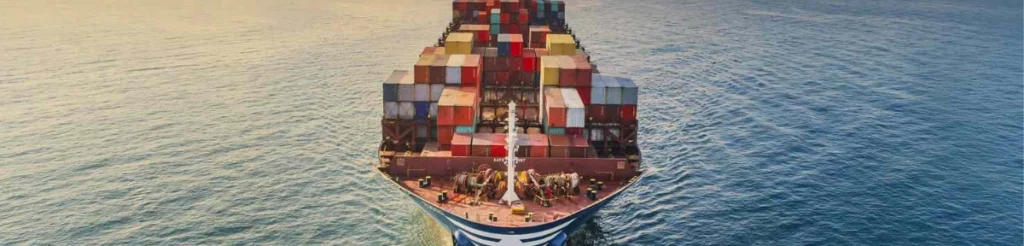
The Gulf region is not only important for oil exports but also for global trade.
Thousands of cargo ships pass through nearby waters every year carrying:
- Oil and natural gas
- Consumer goods
- Industrial equipment
- Food supplies
- Electronics
Any disruption can delay deliveries, increase freight costs, and affect international supply chains.
Asian economies, especially India, China, Japan, and South Korea, are particularly vulnerable because they depend heavily on Gulf energy imports.
The incident has therefore become more than just a regional security issue — it now carries global economic implications.
Political Timing Raises Concerns

The seizure also happened during an important diplomatic moment.
Reports indicate that U.S. President Donald Trump is currently holding talks with Chinese President Xi Jinping regarding the ongoing Iran crisis and regional stability.
China is one of Iran’s major economic partners and also a significant buyer of Middle Eastern oil. Because of this, Beijing’s role in reducing tensions could become increasingly important.
Analysts believe the latest incident may complicate diplomatic efforts aimed at stabilizing the region and reopening safer maritime trade routes.
Iran’s Position
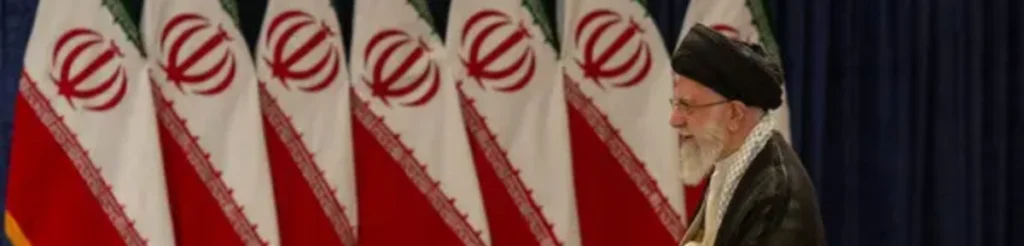
Iran has repeatedly stated that it has the right to protect its territorial waters and respond to what it considers hostile military or economic actions by Western countries.
Iranian officials have previously warned that continued sanctions and military pressure could lead to stronger action in the Gulf region.
While Tehran has not directly confirmed involvement in this latest seizure, Iranian leaders have recently emphasized that they remain prepared for confrontation if necessary.
This strong stance has increased concerns among neighboring Gulf countries and Western allies.
Maritime Security Under Threat
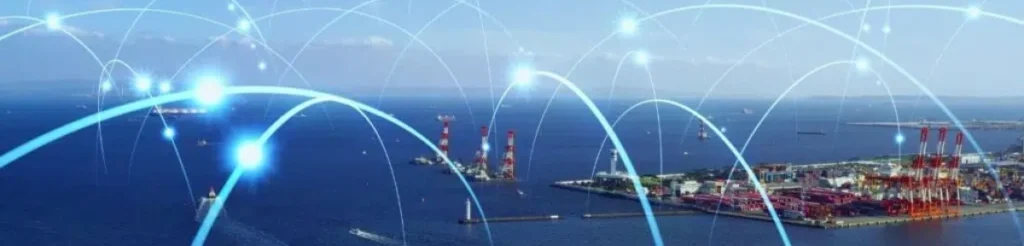
The Gulf region has experienced several maritime security incidents over the past few years, including:
- Tanker seizures
- Drone attacks
- Naval confrontations
- Shipping disruptions
- Electronic navigation interference
Security experts warn that repeated incidents could increase the risk of accidental military conflict.
International naval forces operating in the area are now likely to increase surveillance and escort operations for commercial ships.
What Happens Next?
Several questions remain unanswered:
- Who exactly seized the vessel?
- What cargo was onboard?
- Will Iran officially acknowledge involvement?
- How will Western governments respond?
Diplomatic negotiations may intensify in the coming days as countries attempt to prevent further escalation.
However, the situation remains extremely fragile.
If additional ship seizures or attacks occur, tensions in the Gulf could rise rapidly, potentially affecting oil markets, international trade, and regional stability even further.
Conclusion
The reported seizure of a ship near the UAE coast and its movement toward Iranian waters has once again highlighted the fragile security situation in the Strait of Hormuz. With global energy markets already under pressure and regional tensions continuing to rise, the incident has triggered international concern.
Although many details remain unclear, the event underscores how quickly maritime disputes in the Gulf can become global economic and geopolitical issues.
As governments and military agencies continue investigating the seizure, the world now watches closely to see whether diplomacy can prevent another major escalation in one of the most strategically important regions on Earth.