
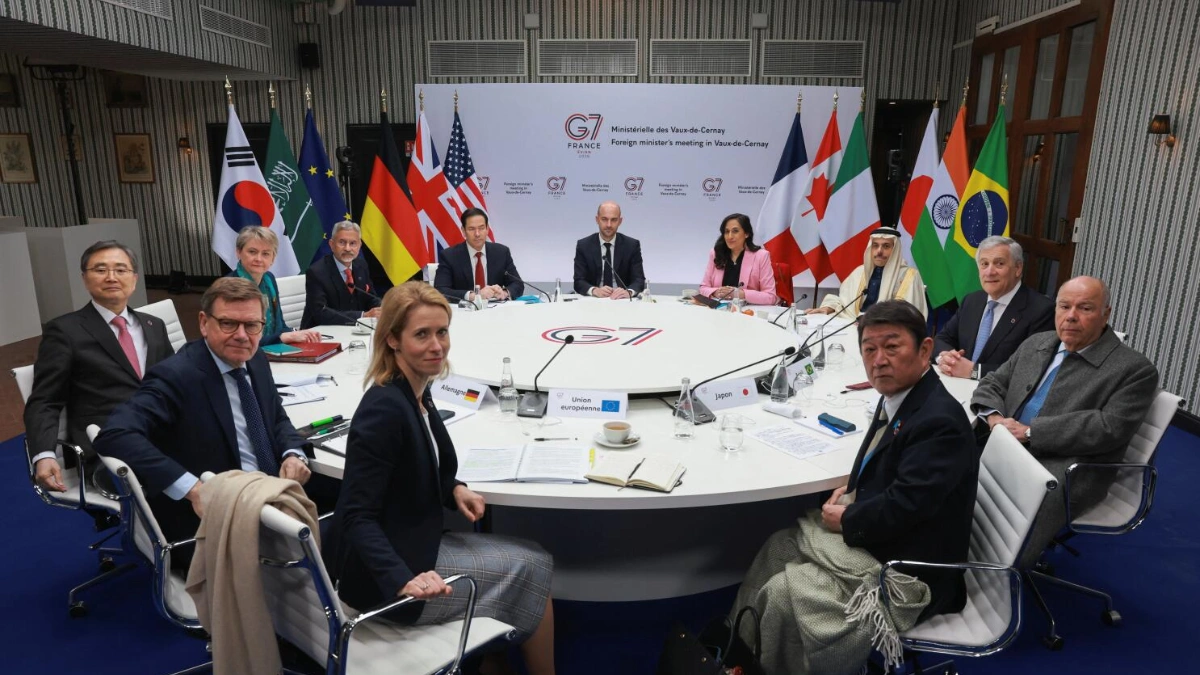
Tensions surrounding Iran’s nuclear program have once again moved to the center of global diplomacy after Tehran rejected fresh demands from the United States regarding uranium enrichment and missile restrictions. At the same time, Germany has urged the Group of Seven (G7) nations to play a stronger diplomatic role in preventing the crisis from escalating further.
The latest developments highlight the growing divide between Iran and Western powers over the future of nuclear negotiations, sanctions, and regional security. While Washington continues to push for stricter conditions on Tehran’s nuclear activities, Iranian leaders insist that their program is peaceful and that national sovereignty cannot be compromised.
Iran Rejects US Conditions
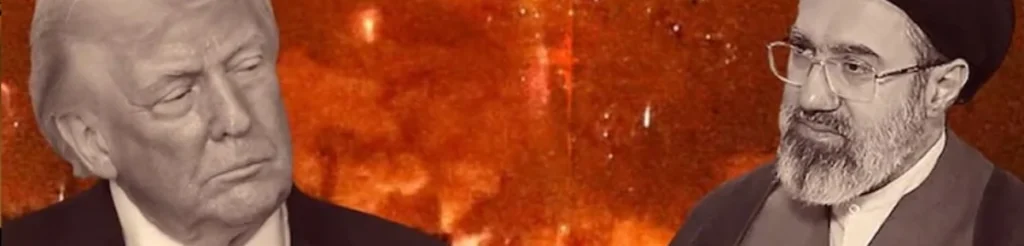
Iranian officials recently dismissed American proposals that called for major restrictions on uranium enrichment and limitations on missile development. Tehran described several US demands as “unrealistic” and “excessive,” arguing that they go beyond international agreements and interfere with Iran’s sovereign rights.
Iran’s leadership has repeatedly stated that uranium enrichment will continue regardless of international pressure. Supreme Leader Ayatollah Ali Khamenei criticized Western conditions and questioned whether negotiations with the US could produce a fair agreement. Iranian negotiators also rejected calls to dismantle key nuclear facilities or rely entirely on imported nuclear fuel.
According to Iranian officials, the country’s missile program and defense capabilities are non-negotiable. Tehran argues that missile development is necessary for national defense, especially given ongoing regional tensions and military threats from Israel and the United States.
Germany Calls for a Stronger G7 Role
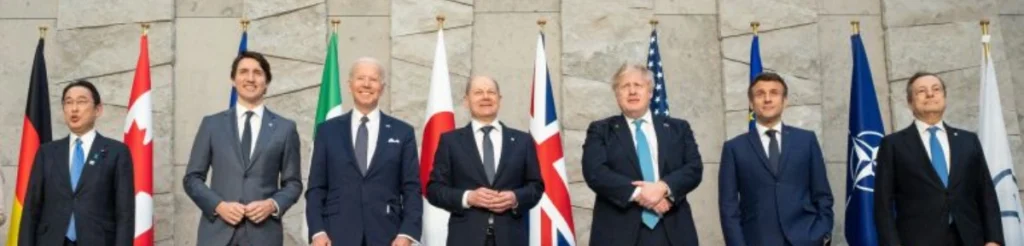
As the diplomatic standoff deepens, Germany has urged the G7 nations to coordinate efforts aimed at restarting negotiations and reducing tensions in the Middle East. German officials believe that broader international involvement could help prevent the collapse of diplomacy and avoid further military escalation.
Germany, along with France and the United Kingdom — commonly referred to as the E3 — has been attempting to mediate between Tehran and Washington. The European nations continue to support diplomatic engagement while also expressing concerns over Iran’s expanding nuclear activities.
German diplomats have reportedly encouraged the G7 to present a united strategy focused on negotiation, sanctions management, and international monitoring of Iran’s nuclear facilities. Berlin sees diplomacy as the only realistic path to preventing another major conflict in the region.
The Core Dispute: Uranium Enrichment
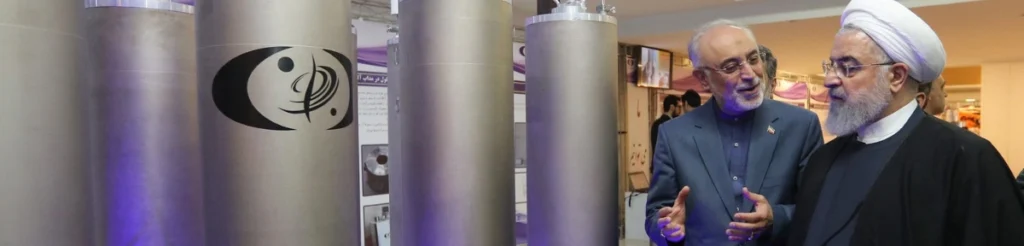
At the center of the disagreement is Iran’s uranium enrichment program. Western governments fear that highly enriched uranium could eventually be used to build nuclear weapons. Iran, however, insists that its nuclear activities are intended solely for peaceful purposes such as electricity generation, scientific research, and medical applications.
The United States has demanded stronger restrictions, including limits on enrichment levels and tighter international inspections. Tehran views these demands as an attempt to weaken the country strategically and economically.
Iran also argues that under the Nuclear Non-Proliferation Treaty (NPT), it has the legal right to enrich uranium for civilian purposes. Iranian officials say Western countries are unfairly targeting Tehran while ignoring similar nuclear activities elsewhere.
Sanctions and Economic Pressure

Economic sanctions remain another major obstacle in negotiations. Iran continues to face heavy restrictions on banking, oil exports, and international trade. Tehran has repeatedly demanded sanctions relief before agreeing to additional nuclear limitations.
US officials, meanwhile, insist that sanctions are necessary to pressure Iran into compliance. Washington argues that easing restrictions without firm guarantees would allow Tehran to expand its nuclear capabilities further.
European countries are caught between both positions. While Germany and other G7 members support preventing nuclear proliferation, they also fear that excessive pressure could push Iran away from diplomacy entirely.
Rising Regional Tensions
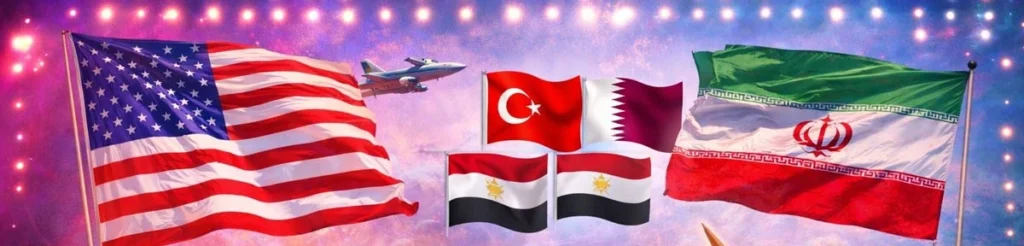
The nuclear dispute is unfolding amid wider instability in the Middle East. Relations between Iran, Israel, and the United States remain tense, with repeated military threats and accusations fueling uncertainty.
Recent conflicts in the region, including attacks on nuclear facilities, missile exchanges, and naval incidents, have increased fears that diplomatic failure could eventually lead to military confrontation. Several global powers worry that a direct conflict involving Iran could disrupt oil markets, shipping routes, and regional security.
The Strait of Hormuz, one of the world’s most important energy shipping routes, remains particularly sensitive. Any escalation involving Iran could affect global energy prices and international trade.
G7 Pressure on Iran
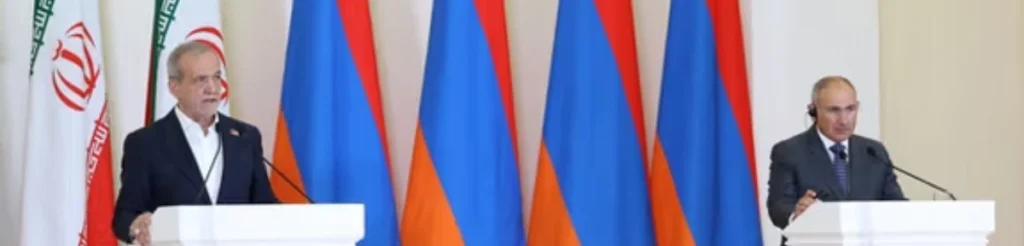
The G7 nations have consistently stated that Iran must never obtain nuclear weapons. Recent statements from the group called on Tehran to cooperate fully with the International Atomic Energy Agency (IAEA) and resume serious negotiations with the United States.
The G7 has also warned Iran against actions that could further destabilize the region, including expanding uranium enrichment or reducing cooperation with international inspectors.
At the same time, several European leaders continue to argue that diplomacy should remain open. Germany in particular believes that international cooperation is essential to avoid repeating the cycle of escalation seen in previous years.
Can Diplomacy Still Work?

Despite sharp disagreements, experts say negotiations are not completely dead. Both Iran and Western governments still appear interested in avoiding direct conflict, even though trust between the sides remains extremely low.
Iran has indicated that it may consider limited compromises if sanctions are eased and if negotiations recognize the country’s right to peaceful nuclear development. Meanwhile, Western powers continue searching for a framework that prevents weaponization without triggering a broader regional crisis.
The challenge lies in balancing security concerns with political realities. Iranian leaders do not want to appear weak domestically, while US officials face pressure from allies and lawmakers demanding a tougher stance on Tehran.
Conclusion
Iran’s rejection of new US nuclear demands reflects the continuing deadlock over one of the world’s most sensitive geopolitical issues. While Tehran insists on protecting its nuclear and missile programs, the United States and its allies remain focused on preventing Iran from gaining nuclear weapons capability.
Germany’s push for a stronger G7 diplomatic role signals growing concern among European powers that the situation could spiral further without meaningful negotiations. As tensions rise across the Middle East, the future of diplomacy may determine whether the region moves toward stability or deeper confrontation.
For now, the nuclear standoff remains unresolved, with both sides standing firm while the international community watches closely.