
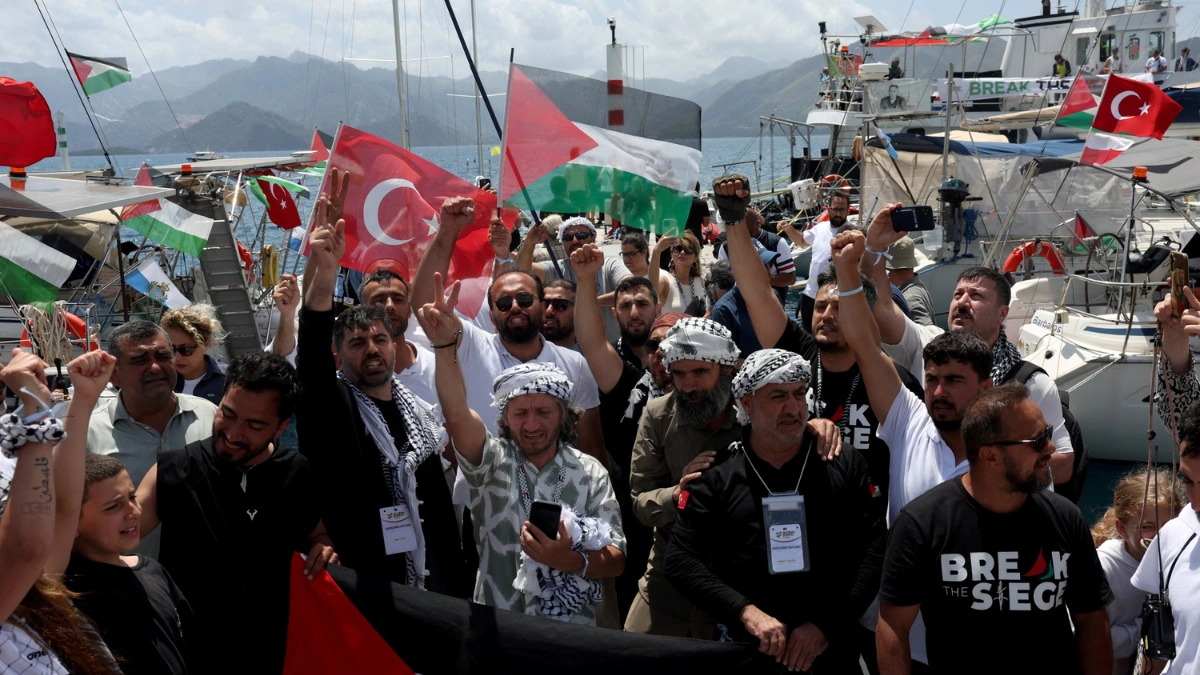
Tensions in the Middle East escalated once again after the Israeli navy intercepted a Gaza-bound flotilla attempting to challenge the maritime blockade around the Gaza Strip. The incident triggered sharp reactions from Turkey, which strongly condemned Israel’s actions and accused it of violating international law and humanitarian principles.
The confrontation has once again drawn international attention to the ongoing Gaza conflict, regional political divisions, and the worsening humanitarian situation affecting civilians in the Palestinian territory.
What Happened?

According to Israeli authorities, naval forces intercepted multiple vessels attempting to approach Gaza without authorization. The flotilla reportedly carried activists, humanitarian aid supplies, and international volunteers seeking to break Israel’s long-standing naval blockade of Gaza.
Israeli officials stated that the operation was carried out to enforce maritime security restrictions and prevent unauthorized access to the territory. The Israeli military claimed the ships were warned multiple times before interception took place.
Reports indicate that the vessels were redirected toward Israeli-controlled ports for inspection and further investigation.
The exact number of ships involved and the condition of passengers onboard were initially unclear, but international media quickly began covering the incident due to its political sensitivity.
Turkey Strongly Condemns the Interception

Turkey reacted sharply after the interception, accusing Israel of using excessive force and obstructing humanitarian assistance intended for Gaza.
The Turkish Foreign Ministry issued a statement calling the operation “unacceptable” and demanding the immediate release of all detained activists and aid materials.
Turkish officials argued that humanitarian aid missions should not be treated as security threats and criticized Israel’s continued blockade policies.
Relations between Turkey and Israel have remained tense for years, particularly regarding the Palestinian issue. Ankara has consistently positioned itself as one of the strongest supporters of Palestinian rights in the region.
Turkey also urged the international community to respond firmly and increase diplomatic pressure to ensure humanitarian access to Gaza.
Why Gaza Remains a Global Flashpoint
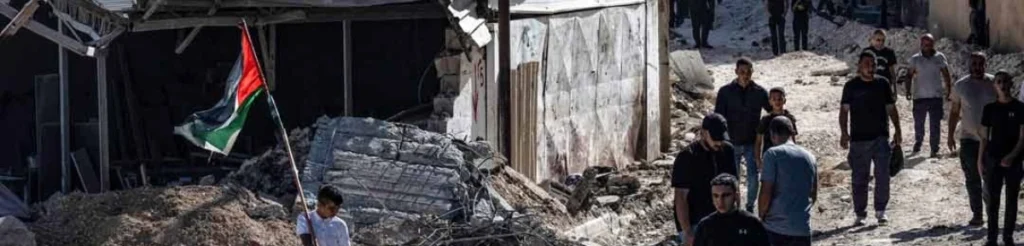
The Gaza Strip has remained at the center of international political and humanitarian debates for years.
Israel maintains strict land, air, and sea restrictions around Gaza, arguing that the blockade is necessary to prevent weapons smuggling and militant operations by Hamas and other armed groups.
Critics, however, argue that the blockade has created severe humanitarian challenges for Gaza’s civilian population, including:
- Food shortages
- Limited medical supplies
- Infrastructure damage
- Electricity shortages
- Restricted movement
International humanitarian organizations have repeatedly warned that living conditions inside Gaza continue to deteriorate.
Because of these concerns, aid flotillas and humanitarian campaigns regularly attempt to draw global attention to the situation.
Israel’s Security Position
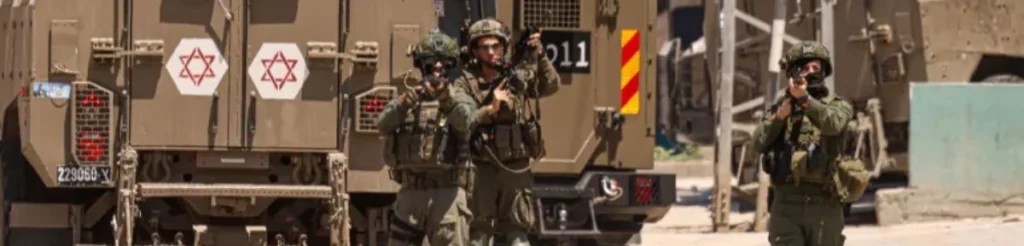
Israeli officials defend the naval blockade as a necessary security measure.
According to Israel, militant organizations operating inside Gaza continue attempting to import weapons, explosives, and military equipment through various routes, including maritime channels.
Israeli military spokespeople stated that allowing unauthorized ships to reach Gaza directly could create major security risks.
The Israeli government insists that humanitarian aid can still enter Gaza through approved inspection procedures and official crossings.
Israeli authorities also argue that flotilla organizers are often motivated by political activism rather than purely humanitarian goals.
Historical Background of Gaza Flotillas
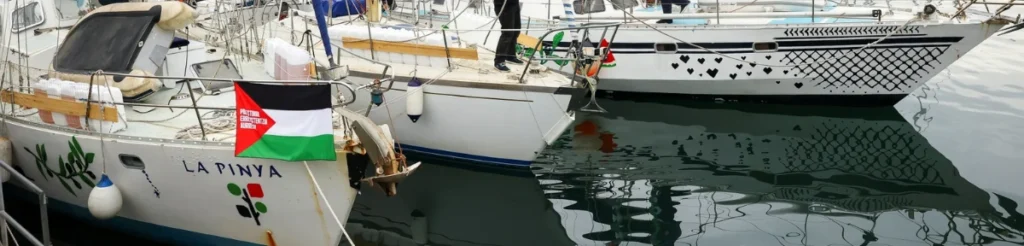
This is not the first time Gaza-bound flotillas have caused international controversy.
One of the most well-known incidents occurred in 2010, when Israeli commandos boarded the Turkish ship Mavi Marmara during a flotilla mission to Gaza. The confrontation resulted in multiple deaths and triggered a major diplomatic crisis between Israel and Turkey.
Since then, various activist groups and international organizations have continued organizing flotilla missions aimed at challenging the blockade and highlighting humanitarian concerns.
Each new attempt tends to generate international headlines and renewed political tension.
Humanitarian Concerns Continue to Grow
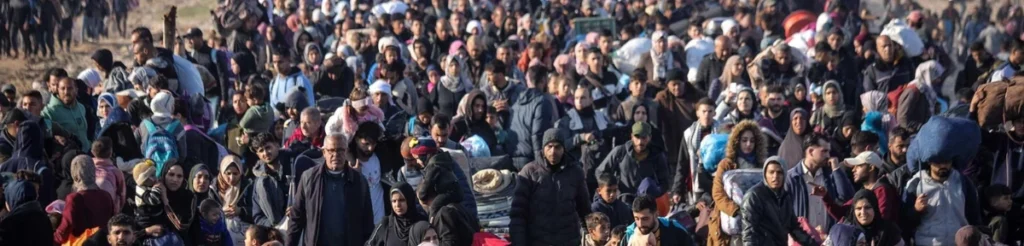
The latest interception comes during a period of heightened concern over Gaza’s humanitarian conditions.
International aid agencies say that ongoing conflict, damaged infrastructure, and restricted supply access have severely impacted daily life for civilians.
Hospitals, schools, and public services continue facing major challenges due to shortages of fuel, electricity, and medical resources.
Several humanitarian organizations argue that additional aid access is urgently needed to prevent further suffering.
At the same time, Israel insists that aid distribution must remain carefully monitored to prevent supplies from being diverted toward militant activities.
International Reactions
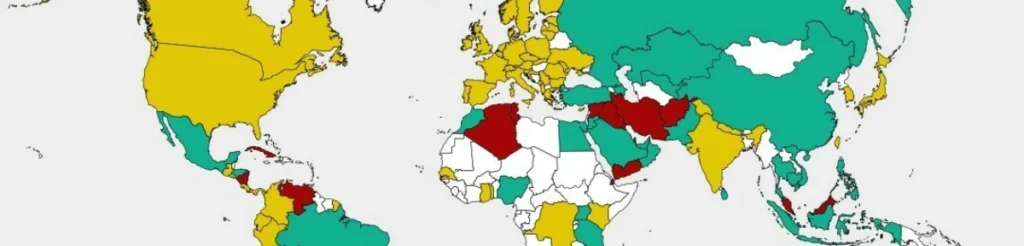
The flotilla interception has drawn mixed reactions globally.
Some countries expressed support for Israel’s right to maintain security controls, while others criticized the operation and called for greater humanitarian access to Gaza.
The United Nations and several human rights organizations urged restraint and encouraged diplomatic solutions to avoid further escalation.
European leaders also emphasized the need to balance Israel’s security concerns with humanitarian responsibilities toward Palestinian civilians.
The incident is likely to become another major topic in international discussions regarding Middle East peace efforts and humanitarian policy.
Regional Political Impact
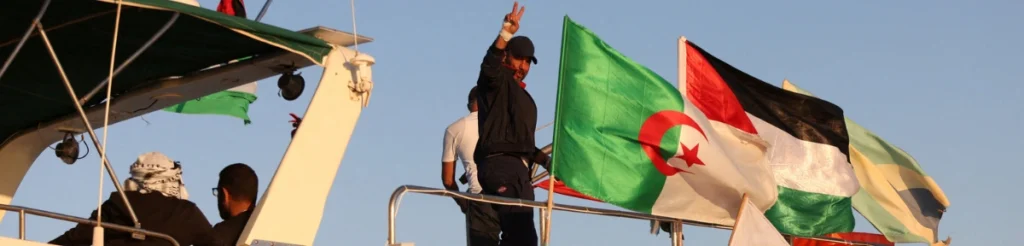
The confrontation may also affect regional diplomacy.
Turkey’s criticism could further complicate its already fragile relationship with Israel. Although both countries have attempted to restore diplomatic ties in recent years, tensions over Gaza continue to create political friction.
The incident may also influence broader Middle East politics involving:
- Arab nations
- Regional alliances
- Palestinian leadership
- International mediation efforts
Several regional powers continue to push for ceasefire negotiations and increased humanitarian cooperation.
However, deep political divisions remain unresolved.
Maritime Security in the Mediterranean
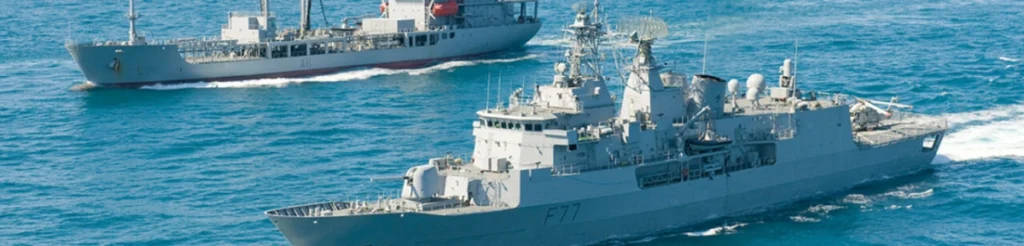
The flotilla incident also highlights growing security concerns in the Eastern Mediterranean region.
Israel has significantly increased naval surveillance and maritime monitoring in recent years due to regional instability and ongoing security threats.
Military analysts believe future maritime confrontations could become more common as political activism, regional conflicts, and humanitarian missions continue intersecting in sensitive areas.
The presence of international activists onboard flotilla vessels also increases diplomatic pressure during such operations.
The Larger Israel-Palestine Conflict

Ultimately, the flotilla confrontation reflects the deeper unresolved conflict between Israelis and Palestinians.
Issues such as:
- Territorial disputes
- Security concerns
- Humanitarian access
- Political recognition
- Border control
continue fueling instability across the region.
Despite multiple international peace initiatives over the years, a long-term political solution remains difficult to achieve.
The Gaza blockade itself remains one of the most controversial aspects of the conflict, with strong opinions on both sides regarding security and humanitarian responsibility.
What Happens Next?
Several questions remain following the interception:
- Will the detained activists be released quickly?
- Will additional flotillas attempt to reach Gaza?
- Could diplomatic tensions between Turkey and Israel worsen?
- Will international pressure increase regarding Gaza access?
Much will depend on political responses from regional governments and the international community.
Meanwhile, humanitarian concerns inside Gaza continue to attract global attention.
Conclusion
The interception of the Gaza flotilla by the Israeli navy and Turkey’s strong protest once again highlight the deep tensions surrounding Gaza, humanitarian access, and Middle East politics.
While Israel argues that maritime restrictions are necessary for national security, critics believe the blockade continues worsening humanitarian conditions for civilians inside Gaza.
As international reactions grow and diplomatic tensions rise, the incident serves as another reminder that the Israeli-Palestinian conflict remains one of the world’s most sensitive and unresolved geopolitical challenges.