
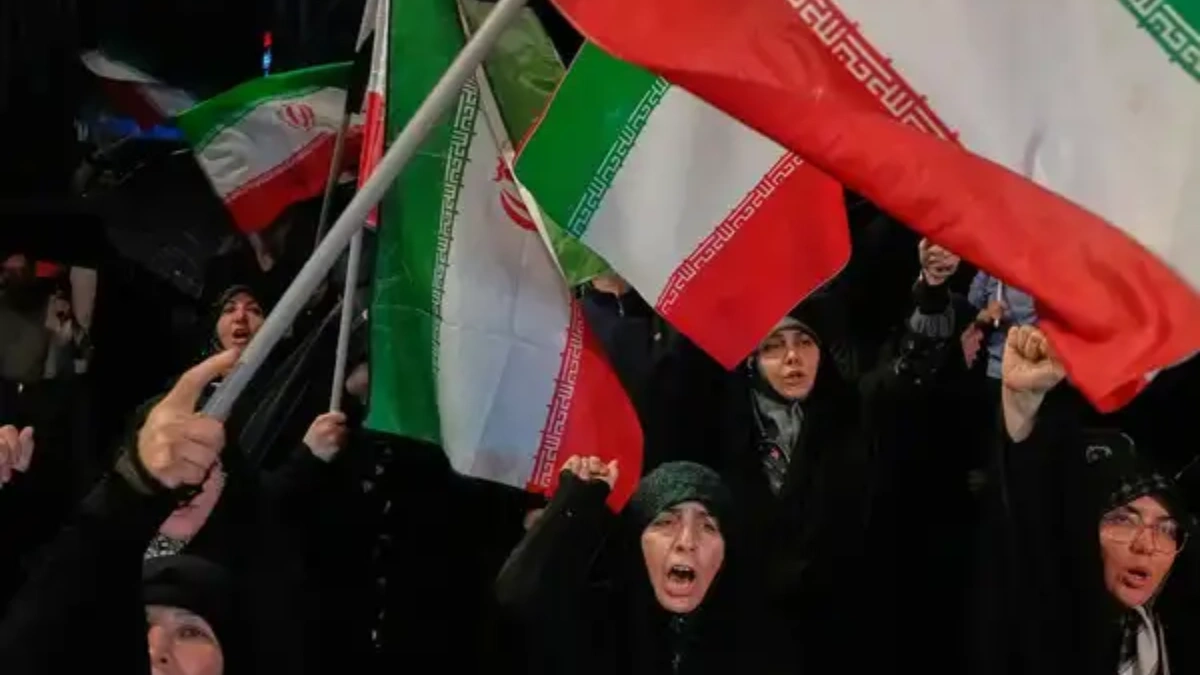
The Middle East is once again facing a dangerous escalation as Iran has reportedly suspended communication with international mediators amid intensifying clashes between Israel and Hezbollah in Lebanon. The development threatens ongoing diplomatic efforts aimed at reducing tensions between Iran, the United States, and Israel, while raising concerns about a broader regional conflict. Recent reports suggest that Tehran views the fighting in Lebanon as inseparable from wider ceasefire negotiations, making the situation increasingly complex.
Growing Tensions Across Multiple Fronts

The conflict between Israel and Hezbollah has intensified in recent weeks, with Israeli forces conducting deeper operations inside Lebanon and carrying out strikes against Hezbollah positions. Hezbollah, backed by Iran, has responded with attacks targeting northern Israel. The escalation has resulted in civilian casualties, displacement, and growing humanitarian concerns throughout southern Lebanon.
Iran considers Hezbollah one of its most important regional allies and a key part of what it describes as the “Axis of Resistance.” Because of this strategic relationship, Tehran believes any ceasefire arrangement involving Iran must also address military operations occurring in Lebanon. Iranian officials and media outlets close to the country’s leadership have indicated that continuing negotiations while Israeli operations expand in Lebanon is unacceptable.
Why Iran Suspended Talks

According to multiple reports, Iran halted communications with mediators after Israel threatened additional military action, including possible strikes near Beirut. Tehran reportedly informed mediators that meaningful negotiations could not continue unless efforts were made to enforce a ceasefire in Lebanon.
Iran’s move appears designed to increase pressure on both Washington and Israel. By suspending discussions, Tehran is signaling that regional conflicts cannot be treated separately. Iranian leaders argue that military actions in Lebanon directly impact the broader diplomatic environment and undermine trust necessary for successful negotiations.
At the same time, Israel and the United States maintain that operations against Hezbollah are distinct from negotiations involving Iran. This disagreement over the scope of talks has become one of the major obstacles preventing diplomatic progress.
The Role of Hezbollah
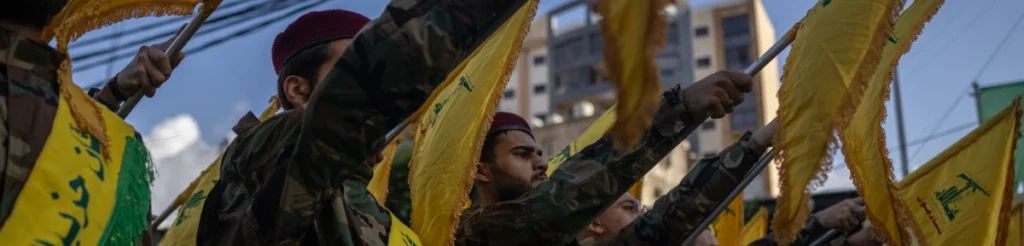
Hezbollah has been one of Iran’s closest allies for decades. The Lebanese organization possesses significant military capabilities and political influence within Lebanon. Since the outbreak of wider regional tensions, Hezbollah has increased attacks against Israeli targets, claiming solidarity with Iranian interests and opposition to Israeli military actions.
Israel views Hezbollah as a major security threat due to its large arsenal of missiles and its proximity to Israel’s northern border. Israeli officials argue that military operations are necessary to prevent future attacks and reduce Hezbollah’s capabilities.
This fundamental disagreement means that while Iran sees Hezbollah as a legitimate ally deserving protection, Israel considers the group a direct threat that must be confronted militarily.
Impact on US-Iran Diplomacy
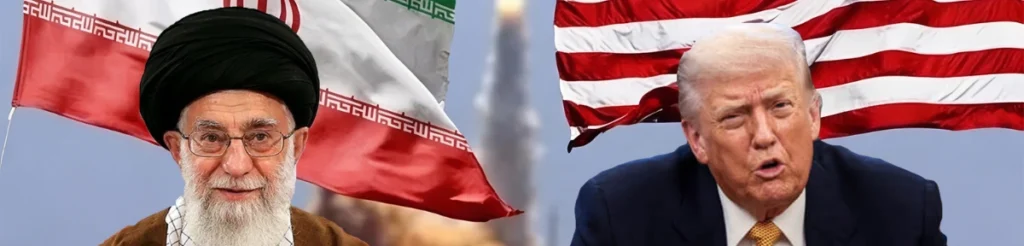
The suspension of talks comes at a particularly sensitive moment. Recent diplomatic efforts had focused on achieving a broader understanding between Iran and the United States regarding regional security issues, economic sanctions, and maritime stability.
One major concern involves the Strait of Hormuz, a critical waterway through which a significant portion of the world’s oil supply passes. Previous discussions included measures aimed at ensuring safe navigation and preventing disruptions to global energy markets. However, renewed fighting in Lebanon has complicated these efforts.
American officials have expressed cautious optimism about diplomacy, but the latest developments highlight how quickly regional conflicts can derail negotiations. As long as fighting continues in Lebanon, prospects for meaningful progress remain uncertain.
Humanitarian Consequences
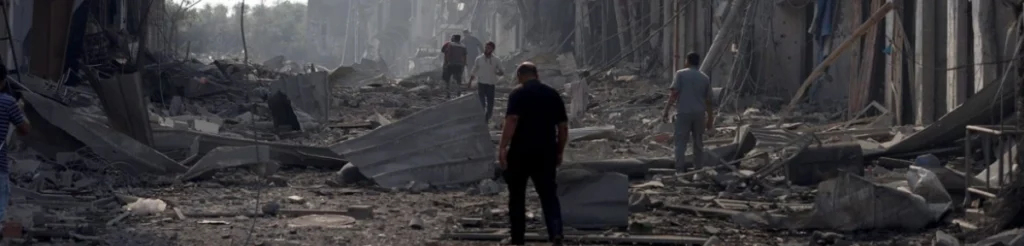
Beyond the political and military dimensions, the humanitarian impact continues to grow. Thousands of civilians have been affected by the conflict, with many forced to flee their homes. Infrastructure damage, disruptions to healthcare services, and economic hardships are placing enormous strain on communities across Lebanon.
International organizations have repeatedly called for restraint and renewed diplomatic efforts. The United Nations has warned that continued escalation risks worsening an already fragile situation and could make future peace efforts more difficult.
The conflict has also affected broader regional stability. Neighboring countries are closely monitoring developments, concerned that further escalation could draw additional actors into the confrontation.
Regional and Global Implications

The Middle East remains deeply interconnected, meaning conflicts rarely remain confined to one country. Fighting between Israel and Hezbollah has implications for Iran, Syria, the Gulf states, and international powers with interests in the region.
Energy markets are particularly sensitive to instability involving Iran and the Strait of Hormuz. Any threat to shipping routes can influence global oil prices and create economic uncertainty worldwide. Investors and governments are therefore watching diplomatic developments closely.
Meanwhile, divisions have reportedly emerged among international leaders regarding the best path forward. Some advocate stronger diplomatic engagement, while others emphasize security concerns and military deterrence. These differing approaches further complicate efforts to achieve a lasting resolution.
What Happens Next?

The immediate future depends largely on whether diplomatic channels can be reopened. Mediators continue to work behind the scenes to restore communication and prevent further escalation. However, success will likely require compromises from multiple parties.
Iran has made clear that it wants the situation in Lebanon included in broader negotiations, while Israel and the United States continue to view the issues separately. Bridging this gap remains one of the greatest challenges facing diplomats today.
If fighting intensifies, the risk of a wider regional confrontation could increase significantly. Conversely, a reduction in hostilities could create space for renewed diplomacy and confidence-building measures.
Conclusion
Iran’s decision to halt mediator talks highlights the increasingly interconnected nature of Middle Eastern conflicts. As Israel and Hezbollah continue to clash in Lebanon, diplomatic efforts involving Iran, Israel, and the United States face serious obstacles. The situation demonstrates how military developments on one front can quickly affect negotiations elsewhere.
For now, the region stands at a critical crossroads. Whether leaders choose escalation or diplomacy will shape not only the future of Lebanon and Israel but also the broader stability of the Middle East. The coming weeks are likely to prove decisive in determining whether tensions move toward resolution or further conflict.