
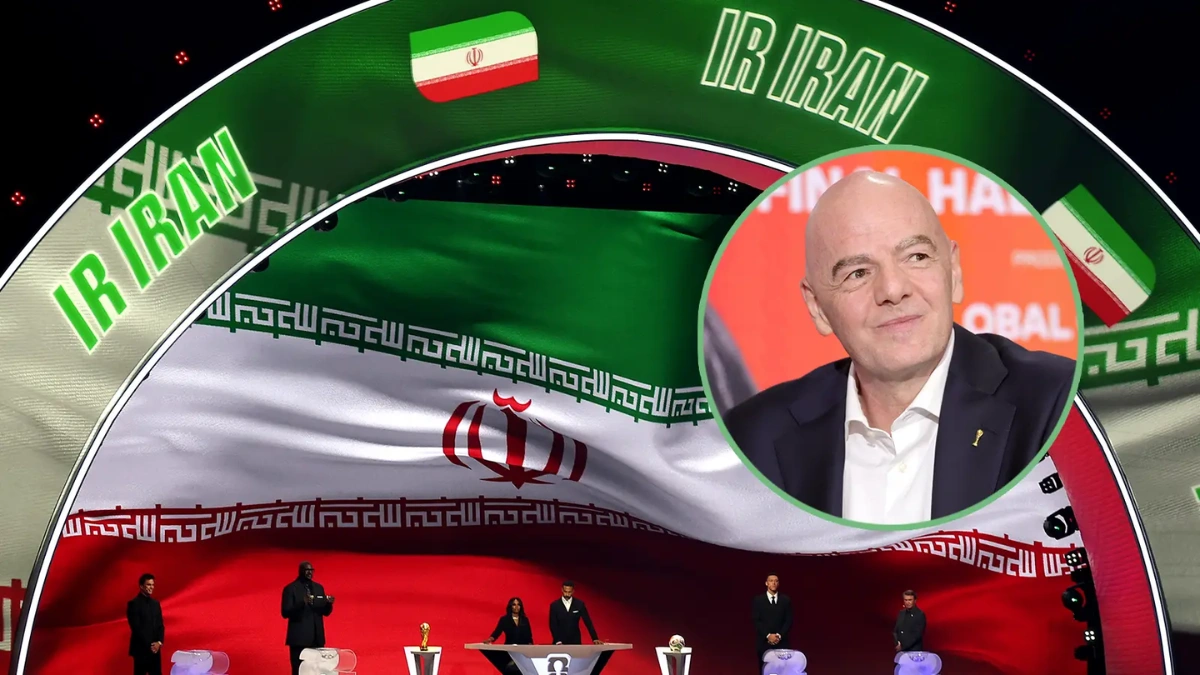
Iran’s preparations for the 2026 FIFA World Cup have taken an unexpected turn after the country decided to move its training base from the United States to Mexico. The decision comes amid growing visa complications, geopolitical tensions, and security concerns surrounding Iran’s participation in the tournament.
Originally, Iran planned to establish its World Cup training camp in Tucson, Arizona. However, after weeks of uncertainty and negotiations with FIFA, the Iranian Football Federation confirmed that the team will now base itself in Tijuana, Mexico, during the tournament.
The move highlights how international politics are increasingly influencing global sports, especially in high-profile tournaments like the FIFA World Cup.
FIFA Approves Iran’s Request

According to officials from Iran’s football federation, FIFA approved the request to relocate the training base after discussions held in Istanbul and through online meetings with football authorities.
Iran’s federation president Mehdi Taj confirmed that the team would now operate from Tijuana, a city located on the Mexico-US border. The decision allows Iran to remain close to its group-stage match locations while avoiding several logistical and political complications tied to staying directly inside the United States.
Although FIFA has not moved Iran’s actual World Cup matches from the United States, the training-base relocation is being viewed as a compromise solution.
Why Iran Changed Its Training Base
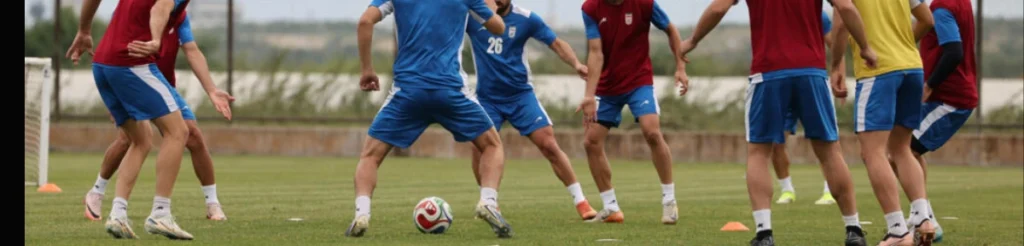
The primary reason behind the move appears to be visa-related concerns. Iranian officials reportedly worried that players, staff members, and support personnel could face difficulties obtaining or managing US visas amid ongoing tensions between Tehran and Washington.
Political relations between the United States and Iran have remained strained for decades, but recent military tensions and regional instability further complicated the situation. Reports suggest Iran sought assurances from FIFA regarding travel permissions, security arrangements, and fair treatment for its delegation.
Some Iranian football officials also faced international travel restrictions in the past, increasing uncertainty around the team’s preparations.
By relocating to Mexico, Iran hopes to simplify logistics and reduce the risks associated with prolonged stays inside the United States.
Why Tijuana Was Chosen

Tijuana offers several practical advantages for the Iranian team. The city is located very close to Southern California, where two of Iran’s group-stage matches will take place.
Iran is scheduled to face:
- New Zealand in Los Angeles on June 15
- Belgium in Los Angeles on June 21
- Egypt in Seattle on June 26
The short distance between Tijuana and Los Angeles makes travel significantly easier for the team. According to reports, flights between Tijuana and Los Angeles take less than an hour.
Tijuana also provides access to quality training facilities, accommodation, and infrastructure while allowing Iran to avoid some of the political pressure connected to staying in the United States full-time.
Political Tensions Behind the Decision

The relocation reflects the growing overlap between politics and international sports. Iran’s participation in a World Cup co-hosted by the United States, Canada, and Mexico has already faced scrutiny because of geopolitical tensions in the Middle East.
Recent military confrontations involving Iran, the United States, and Israel created additional concerns regarding safety, travel restrictions, and diplomatic complications.
Iran had reportedly even requested earlier that some of its World Cup matches be shifted entirely to Mexico, though FIFA declined to make changes to the tournament schedule.
The decision to move the training base instead appears to be a middle-ground solution that helps maintain tournament logistics while easing concerns from the Iranian side.
Visa Issues Continue to Create Challenges

Visa complications remain one of the biggest challenges for Iran’s World Cup campaign.
Reports indicate that several Iranian players and staff members had to travel to Turkey to complete visa applications for the United States and Canada.
Canada’s visa policies may also affect Iran later in the tournament because knockout-stage matches are scheduled across multiple host countries. If Iran advances beyond the group stage, additional travel approvals may become necessary.
By basing the team in Mexico, Iranian officials hope to reduce immigration-related stress during the tournament and allow smoother travel arrangements for players and staff.
Impact on Team Preparations
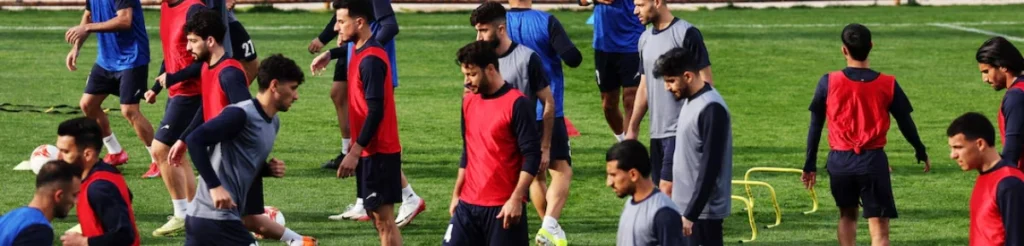
Changing a World Cup training base so close to the tournament is highly unusual and could affect team preparations.
Players usually rely on stable training environments to maintain focus, fitness, and tactical organization before major competitions. Constant uncertainty regarding travel, visas, and security can create distractions that impact performance.
Iran’s domestic football season was also disrupted earlier due to regional conflict, leaving many players short of match fitness. The team recently held training camps in Turkey to help players regain physical condition before the World Cup.
Despite these difficulties, Iranian coach Amir Ghalenoei and his staff remain focused on preparing the squad competitively for the tournament.
Reactions from Football Fans and Media

The news sparked strong reactions across football communities and social media.
Some fans praised FIFA for finding a practical compromise that allows Iran to participate without major disruptions. Others argued the situation highlights broader concerns about hosting global tournaments amid political conflict.
Discussions online also focused on how unusual it is for a national team to shift its World Cup base camp because of diplomatic tensions rather than sporting reasons.
Several football analysts noted that Tijuana may actually offer logistical advantages compared to Arizona because of its proximity to Los Angeles and West Coast match venues.
Mexico’s Growing Role in the Tournament
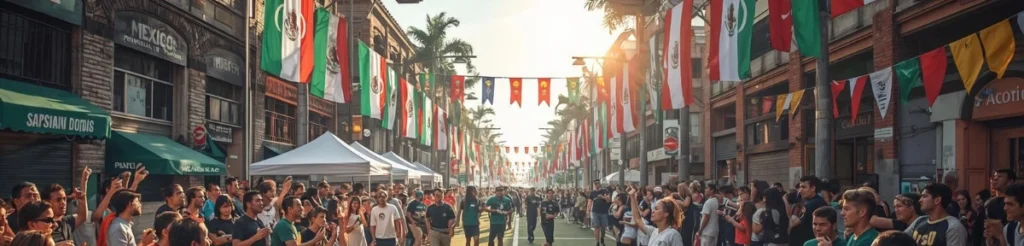
Iran’s relocation also increases Mexico’s importance as a co-host nation for the 2026 FIFA World Cup.
Beyond hosting matches, Mexico is now serving as a neutral operational base for one of the tournament’s most politically sensitive teams. Tijuana’s location and infrastructure make it an ideal option for international teams seeking flexibility during the competition.
The situation demonstrates how multi-country tournaments can provide alternative solutions during unexpected geopolitical challenges.
Sports and Politics Continue to Intersect

The Iranian case once again shows that sports and politics are deeply connected on the global stage.
While FIFA often promotes football as a unifying force beyond political divisions, international tournaments regularly become influenced by diplomatic disputes, visa policies, sanctions, and security concerns.
Athletes and teams are often caught in the middle of these situations, forced to manage challenges far beyond the football field.
For Iran, simply participating in the World Cup has now become not only a sporting mission but also a diplomatic balancing act.
Conclusion
Iran’s decision to move its 2026 FIFA World Cup training base from the United States to Mexico reflects the growing impact of global politics on international sports. Visa complications, regional tensions, and security concerns pushed the Iranian Football Federation to seek a more practical and stable solution ahead of the tournament.
With FIFA approving the move to Tijuana, Iran hopes to reduce logistical stress and focus on preparing competitively for the World Cup. However, the situation also highlights how modern sporting events are increasingly shaped by geopolitical realities.
As the tournament approaches, Iran’s unusual preparations will remain one of the most closely watched stories of the 2026 FIFA World Cup.