
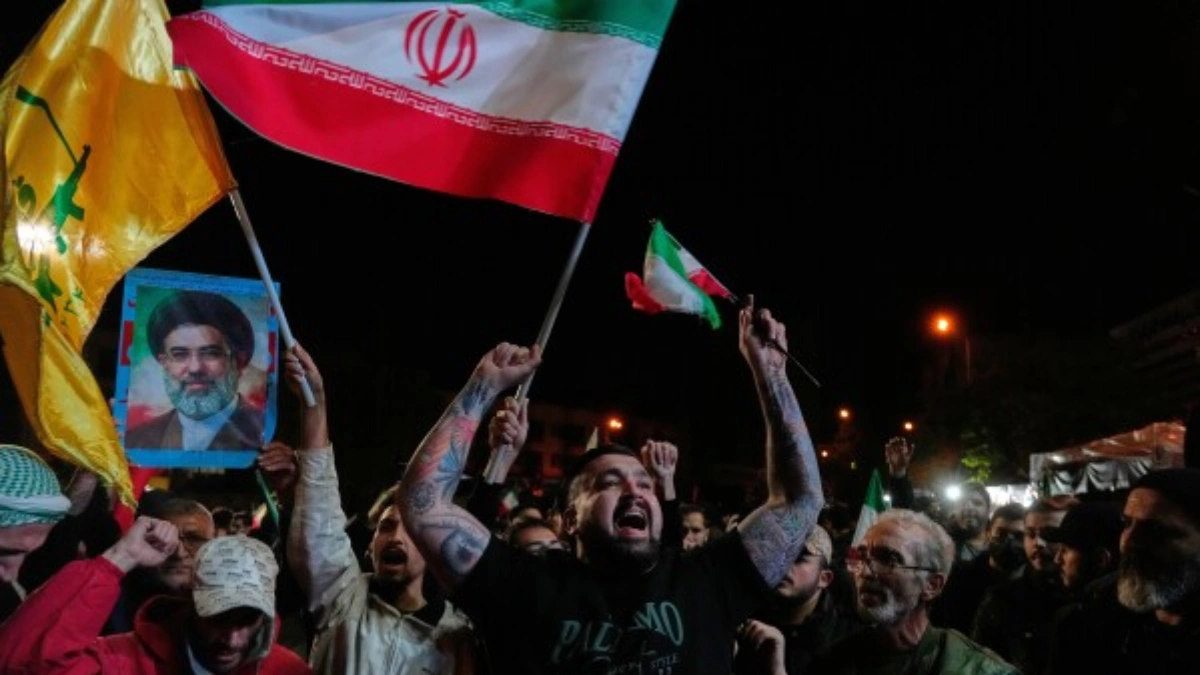
The ceasefire between Iran and its regional adversaries may have reduced tensions on the battlefield, but many Iranian citizens say life inside the country has become even more difficult. According to activists, journalists, and protesters, authorities have intensified crackdowns on dissent, increased arrests, and tightened restrictions across major cities following the temporary halt in military tensions.
While the Iranian government has defended its actions as necessary for national security, critics argue that the ceasefire gave authorities more freedom to focus on internal opposition. Human rights groups claim that surveillance, internet monitoring, and police presence have all increased in recent weeks, creating an atmosphere of fear among ordinary citizens.
Growing Pressure After the Ceasefire
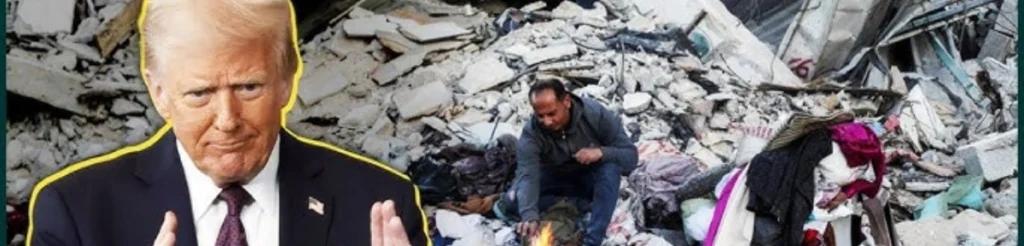
During periods of military escalation, much of the government’s focus was directed outward toward regional conflict and national defense. However, after the ceasefire reduced immediate external threats, activists say authorities redirected their attention toward suppressing domestic criticism.
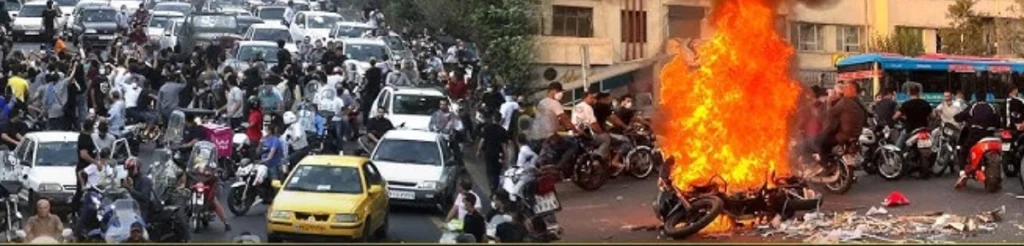
Protesters in Tehran, Mashhad, Isfahan, and other cities claim security forces have become more aggressive in dispersing gatherings and monitoring online activity. Some residents reported checkpoints, increased questioning, and tighter controls near universities and public spaces.
According to several accounts shared online, individuals suspected of participating in demonstrations or criticizing officials on social media were reportedly detained for questioning. Families of detained activists also say communication has become more difficult.
Why Demonstrations Continue
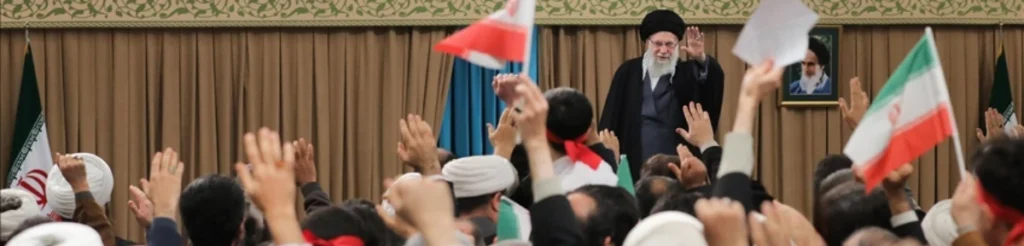
Despite the risks, protests continue in various forms across Iran. Demonstrators cite economic hardship, inflation, unemployment, and restrictions on personal freedoms as key reasons for public frustration.
Many Iranians believe that the country’s economic difficulties have worsened due to years of sanctions, regional conflicts, and political instability. Rising food prices, fuel costs, and currency devaluation have created immense pressure on middle-class and working-class families.
Young people, particularly university students, remain at the center of many demonstrations. Social media videos frequently show students demanding reforms, freedom of expression, and improved economic opportunities.
For many protesters, the ceasefire did not solve the issues affecting daily life. Instead, they argue that authorities used the calmer regional environment to increase domestic control.
Increased Digital Surveillance

One major concern raised by activists is the expansion of digital monitoring. Protesters claim internet restrictions and online censorship became stricter after the ceasefire.
Messaging platforms and VPN services reportedly faced disruptions, making communication harder for activists organizing demonstrations or sharing information internationally. Some users also reported slower internet speeds during politically sensitive events.
Cybersecurity experts and rights organizations have long accused Iranian authorities of monitoring digital communications to identify dissent. Critics argue that online restrictions not only limit freedom of speech but also isolate protesters from the global community.
The Iranian government, however, maintains that such measures are necessary to prevent misinformation, cyber threats, and foreign interference.
International Reactions
Human rights organizations and several Western governments have expressed concern over reports of intensified crackdowns. Advocacy groups called for the release of detained protesters and urged Iran to respect freedom of assembly and expression.
International observers say the situation highlights the ongoing tension between national security concerns and civil liberties within the country. Some analysts believe the government fears that economic dissatisfaction could evolve into larger nationwide protests if left unchecked.
At the same time, Iranian officials accuse foreign governments and media outlets of exaggerating unrest to weaken the country politically. State media often portrays demonstrations as isolated incidents influenced by outside actors.
Economic Struggles Fuel Public Anger
Iran’s economic challenges continue to play a major role in public frustration. Inflation remains high, and many households struggle with rising costs of essential goods.
Small business owners and workers say reduced purchasing power has made it difficult to maintain stable incomes. In some regions, shortages and delayed wages have further increased public dissatisfaction.
Experts believe economic hardship often amplifies political tensions, especially among younger generations who face limited job opportunities. University graduates in particular have expressed concerns about unemployment and uncertain futures.
Many protesters argue that national resources should be directed toward improving living conditions rather than prolonged geopolitical conflicts.
Fear and Uncertainty Among Citizens
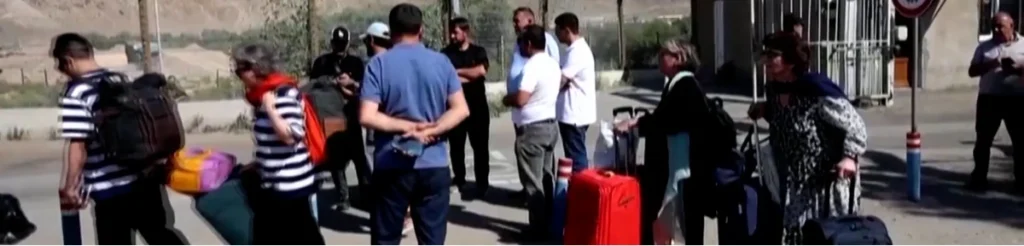
Residents in several Iranian cities describe an atmosphere of uncertainty. Some citizens avoid public political discussions due to fears of surveillance or arrest. Families of activists say they worry constantly about the safety of loved ones involved in demonstrations.
At the same time, others continue speaking out despite the risks. Protesters argue that remaining silent would allow conditions to worsen further. Social media platforms, although restricted, still play an important role in spreading awareness and documenting events.
Observers note that Iranian society remains deeply divided between those calling for reforms and those supporting strong state control for stability and security.
The Government’s Position
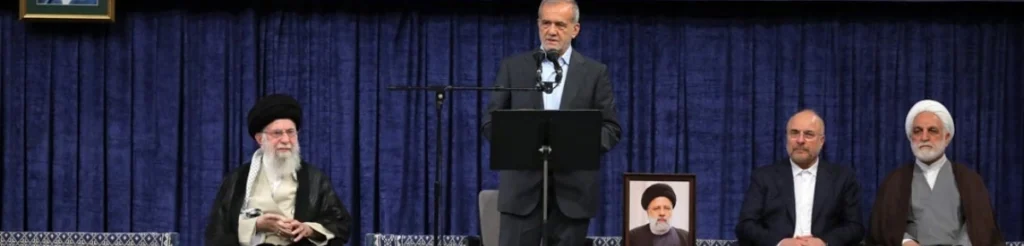
Iranian authorities reject accusations of excessive repression and insist that security measures are designed to maintain order. Officials argue that certain protests have turned violent in the past and that foreign-backed groups attempt to exploit unrest.
Government representatives also emphasize that Iran faces complex security challenges both domestically and regionally. They claim maintaining stability is critical during sensitive geopolitical periods.
State media frequently highlights national unity, resistance against foreign pressure, and the importance of protecting the country from destabilization campaigns.
Regional Tensions Still Influence Iran
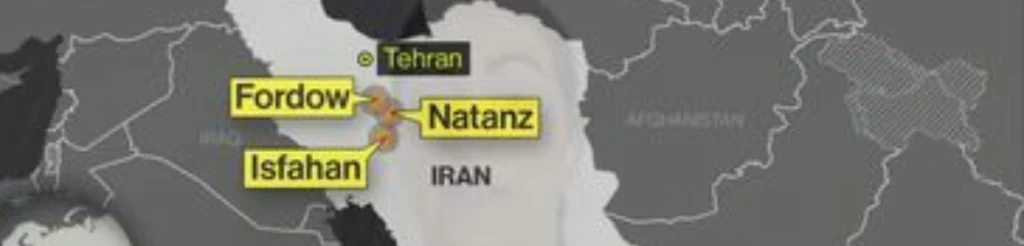
Although a ceasefire reduced immediate military confrontation, regional tensions continue to influence domestic politics. Analysts believe the government remains highly cautious about internal instability during uncertain geopolitical conditions.
The Middle East remains volatile, and any renewed conflict could quickly shift priorities once again. Security concerns related to neighboring countries, maritime routes, and international sanctions continue to shape Iran’s political environment.
For ordinary citizens, however, daily concerns such as employment, inflation, and personal freedoms remain central issues.
What Happens Next?
The future remains uncertain as both protesters and authorities appear unwilling to back down. Human rights organizations continue calling for dialogue and restraint, while activists inside Iran push for broader reforms and greater freedoms.
Whether the ceasefire eventually leads to long-term stability or deeper internal tensions may depend on how authorities respond to public dissatisfaction in the coming months.
For now, many Iranian citizens say the end of military escalation did not bring the peace they hoped for. Instead, they believe attention has shifted inward, leading to tighter controls and growing pressure on dissenting voices.
As protests continue and economic difficulties persist, Iran faces a complex challenge balancing national security, political stability, and the demands of a population seeking change.