
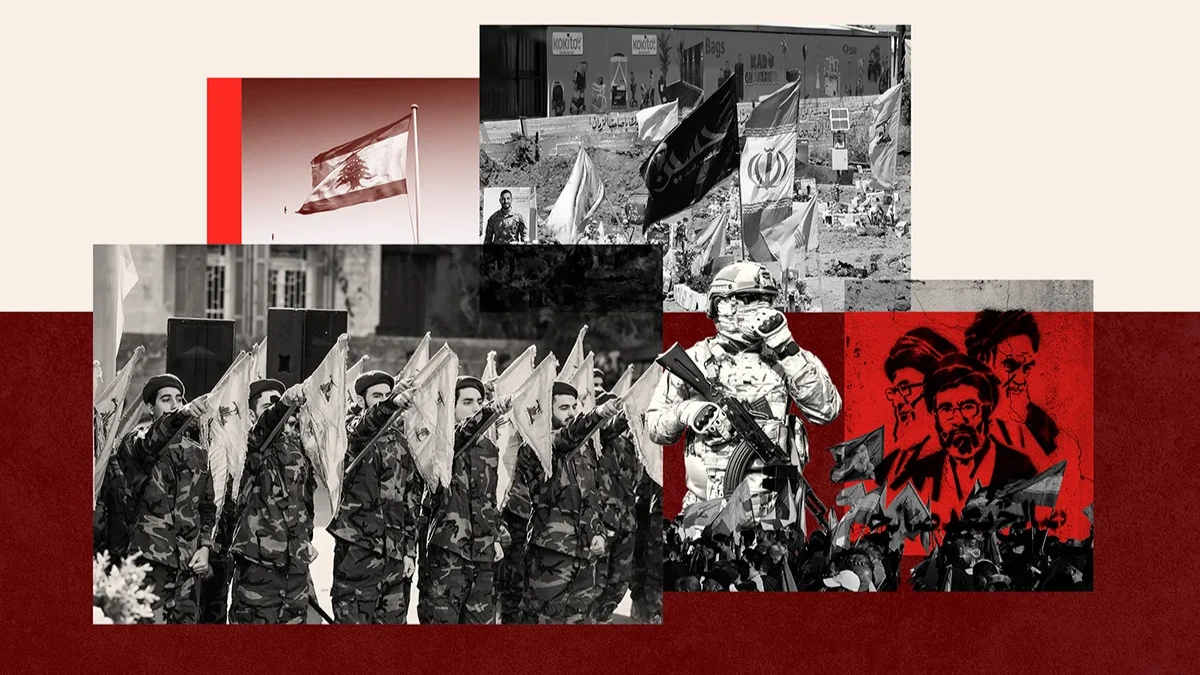
The relationship between Iran and Lebanon has been one of the most significant factors shaping Middle Eastern politics for decades. At the center of this relationship is Hezbollah, the Lebanese political and military organization that has received financial, military, and political support from Iran since the 1980s. Despite military pressure, economic sanctions, regional conflicts, and growing international scrutiny, Iran continues to maintain its support for its allies in Lebanon.
Many observers ask a simple question: Why doesn’t Iran step back from Lebanon? The answer lies in a combination of strategic interests, regional influence, security concerns, ideological commitments, and geopolitical calculations.
The Historical Foundation of Iran-Lebanon Relations
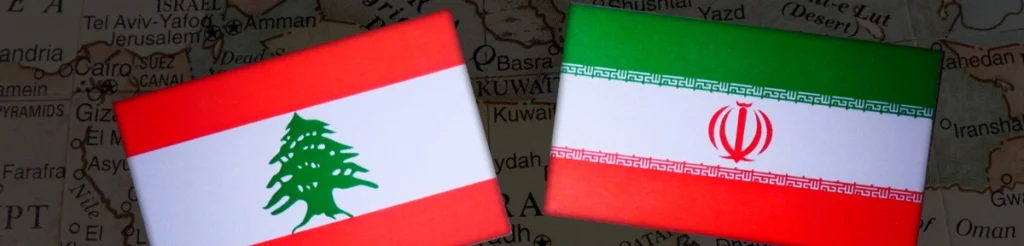
Iran’s involvement in Lebanon grew significantly after the 1979 Iranian Revolution. Following the Israeli invasion of Lebanon in 1982, Iran helped support the formation of Hezbollah, which eventually became one of the most influential political and military forces in the country.
Over the decades, Hezbollah evolved from a resistance movement into a major political player with representation in Lebanon’s government and parliament. Iran’s support helped strengthen the organization, while Hezbollah became one of Tehran’s closest regional allies.
Today, the relationship extends beyond military cooperation and includes political coordination, economic assistance, and shared regional objectives.
Lebanon’s Strategic Importance
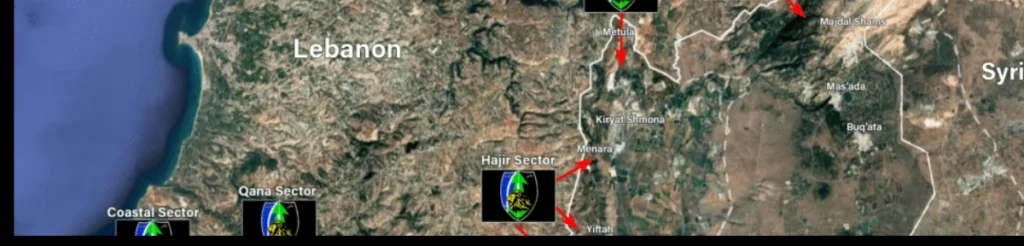
One of the primary reasons Iran remains committed to Lebanon is geography.
Lebanon sits on Israel’s northern border, making it strategically important in the broader regional balance of power. For Iranian policymakers, maintaining influence in Lebanon provides a way to project power beyond Iran’s borders and retain leverage in regional conflicts.
Analysts frequently describe Hezbollah as one of Iran’s most valuable regional partners because it gives Tehran influence in a critical area of the Middle East.
If Iran were to completely withdraw its support, it could lose a significant source of regional influence.
Hezbollah as a Strategic Partner
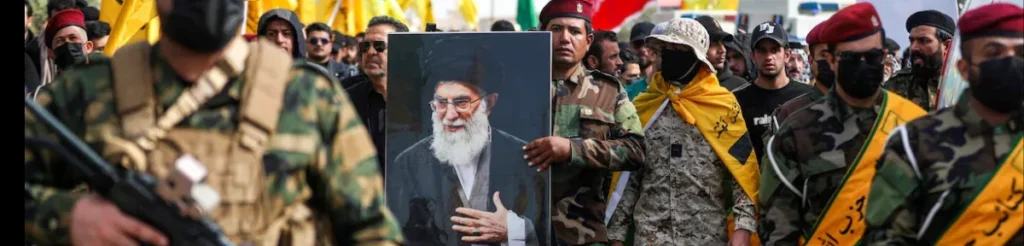
Iran’s support for Lebanon is largely tied to Hezbollah.
For decades, Hezbollah has served as one of Tehran’s strongest regional allies. The organization has maintained political influence within Lebanon while also playing a role in regional security dynamics.
Even after suffering military losses and facing increased pressure, Hezbollah remains a major political actor inside Lebanon. Experts note that Iranian support continues to be a key factor in Hezbollah’s ability to maintain influence.
From Iran’s perspective, abandoning Hezbollah would mean losing a long-standing ally and weakening its broader regional network.
The Concept of Strategic Deterrence

Another important factor is deterrence.
Iran views its regional partnerships as part of a wider security strategy. Rather than relying solely on its own military capabilities, Tehran has built relationships with various allied groups across the Middle East.
This network allows Iran to expand its influence while creating additional layers of strategic pressure against its rivals.
Many analysts argue that Hezbollah has historically been one of the most important elements of this deterrence framework.
Because of this, reducing support for Lebanon could be seen by Iranian leaders as weakening their overall security position.
Regional Competition
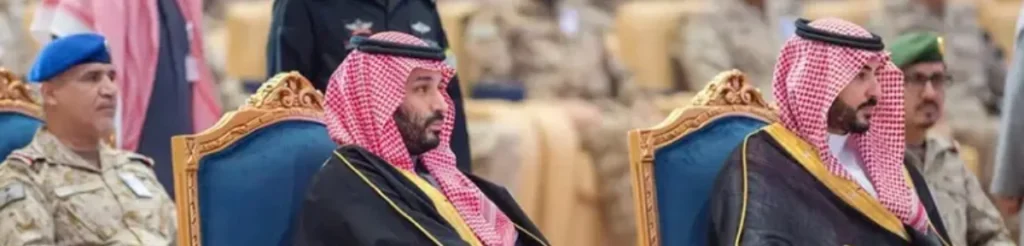
The Middle East remains a region of intense geopolitical competition.
Iran competes for influence with several regional and international actors, including Israel, Saudi Arabia, and the United States. Lebanon has often become one of the arenas where these broader rivalries play out.
Maintaining influence in Lebanon allows Iran to remain an active participant in regional decision-making and negotiations.
Recent discussions involving Lebanon, Israel, and international mediators continue to highlight how central Lebanon remains to wider regional diplomacy.
For Tehran, stepping back could create opportunities for rival powers to expand their influence.
Political and Ideological Factors

Iran’s support for Lebanon is not based solely on military calculations.
Since the Islamic Revolution, Iranian leaders have promoted the idea of supporting allied movements throughout the region. Over time, this support became part of Iran’s broader foreign policy identity.
As a result, Lebanon occupies both a strategic and symbolic position in Iranian political thinking.
For many Iranian leaders, maintaining ties with Lebanese allies demonstrates consistency in their regional approach and reinforces long-standing political commitments.
Why Iran Avoids Direct Military Intervention
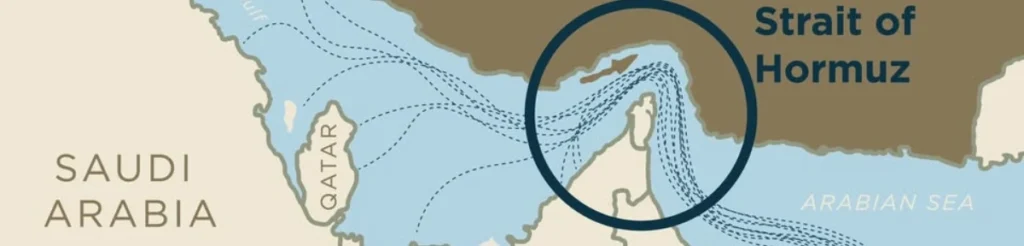
Interestingly, while Iran continues to support Hezbollah politically and financially, it has often shown caution about direct military involvement in Lebanon.
Reports and analyses over recent years indicate that Tehran has generally avoided deploying large numbers of its own forces into Lebanon, preferring indirect support mechanisms instead.
There are several reasons for this:
- Avoiding a wider regional war
- Reducing the risk of direct confrontation
- Managing economic pressures
- Preserving diplomatic flexibility
- Limiting domestic political costs
This approach allows Iran to maintain influence while reducing the risks associated with direct military engagement.
Current Challenges Facing Iran’s Position
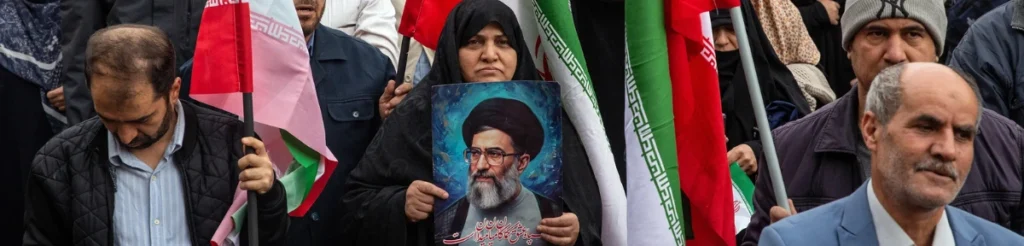
Although Iran remains committed to Lebanon, its position is not without challenges.
Economic Pressure
Years of sanctions and economic difficulties have placed significant strain on Iran’s resources. Supporting regional allies requires funding that could otherwise be used domestically.
Regional Conflict
Ongoing tensions involving Israel, Lebanon, and Iran continue to create uncertainty. Recent military operations and ceasefire negotiations demonstrate how fragile the situation remains.
Internal Lebanese Politics
Lebanon itself is deeply divided over Hezbollah’s role. Some Lebanese view the group as an important political and security actor, while others believe armed groups should be fully integrated into state institutions.
Supply and Logistics Issues
Changes in regional dynamics have made support networks more complicated than in previous decades. Analysts note that Iran faces increasing challenges in maintaining traditional supply routes and logistical channels.
Why Iran Is Unlikely to Walk Away
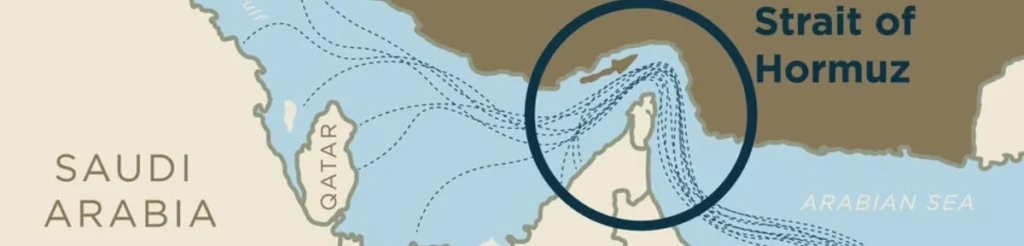
Despite these obstacles, most analysts believe Iran is unlikely to completely abandon its involvement in Lebanon anytime soon.
Several factors support this view:
- Lebanon remains strategically important.
- Hezbollah continues to be a valuable regional partner.
- Iran sees Lebanon as part of its broader regional influence network.
- Withdrawal could strengthen rival powers.
- Decades of political and security investment would be difficult to replace.
Recent assessments continue to indicate that Iranian policymakers view Lebanon as an essential component of their regional strategy, even as circumstances evolve.
Conclusion
Iran’s refusal to back down on Lebanon is driven by far more than simple political loyalty. The relationship is rooted in decades of strategic cooperation, regional competition, security calculations, and ideological commitments.
For Tehran, Lebanon represents influence, deterrence, and a critical connection to broader Middle Eastern affairs. While economic pressures, military setbacks, and diplomatic challenges may shape how Iran engages with Lebanon in the future, there is little indication that it intends to completely disengage.
As regional tensions continue to evolve, Lebanon is likely to remain an important part of Iran’s foreign policy strategy, making the relationship a key factor in the future of Middle Eastern geopolitics.