
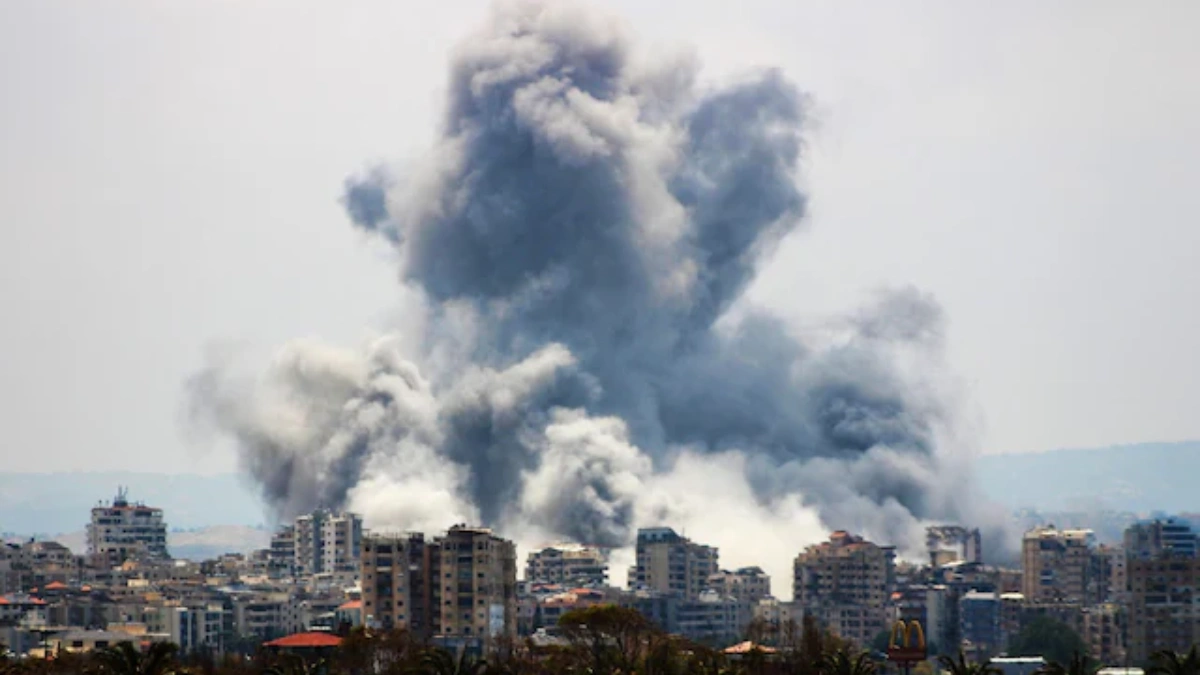
For years, Israel has viewed Lebanon as one of its most significant security challenges. The presence of Hezbollah along its northern border, combined with the group’s military capabilities and regional alliances, has made Lebanon a central focus of Israeli defense strategy. Through military operations, intelligence efforts, and diplomatic initiatives, Israel has sought to reduce threats originating from Lebanese territory and strengthen its own security.
However, some analysts argue that recent developments suggest Israel may be undermining its own strategic gains in Lebanon. While military successes can weaken immediate threats, long-term stability often depends on political outcomes, regional diplomacy, and public perception. Critics contend that certain actions risk turning tactical victories into strategic complications.
This debate has become increasingly important as tensions continue to shape the relationship between Israel, Lebanon, and the broader Middle East.
Understanding Israel’s Objectives in Lebanon

Israel’s primary goal in Lebanon has long been national security.
Israeli leaders have repeatedly emphasized the need to prevent attacks from across the northern border and to limit the military capabilities of Hezbollah. The organization has been involved in several conflicts with Israel and remains one of the most influential political and military actors in Lebanon.
From Israel’s perspective, reducing Hezbollah’s operational capacity contributes directly to national defense. Military operations, intelligence gathering, and border security measures have all been designed to achieve this objective.
In many respects, Israel has achieved significant tactical successes over the years. Advanced surveillance systems, targeted operations, and defensive technologies have improved security conditions and reduced certain threats.
Yet military achievements alone do not always guarantee long-term strategic success.
The Difference Between Tactical and Strategic Success

Military history often demonstrates that winning battles is different from achieving lasting political goals.
A tactical success may involve degrading an opponent’s capabilities or preventing an immediate threat. Strategic success, however, requires creating conditions that support long-term stability and security.
In Lebanon, the challenge lies in balancing military action with political realities.
Even when military operations achieve their intended objectives, they can produce unintended consequences that affect public opinion, regional relationships, and future security dynamics.
This is where critics argue Israel faces a difficult dilemma.
The Impact on Lebanese Public Opinion

Public opinion plays a powerful role in conflicts.
When military operations result in infrastructure damage, economic disruption, or civilian hardship, they can influence how local populations view both the conflict and the parties involved.
Some analysts suggest that heavy military pressure may strengthen anti-Israel sentiment among segments of the Lebanese population. Rather than isolating militant groups politically, such situations can sometimes create conditions that allow them to maintain support or justify their narratives.
This does not necessarily mean military action is ineffective. Instead, it highlights the complexity of achieving lasting political outcomes through security measures alone.
Winning public trust and reducing hostility often require diplomatic and economic efforts alongside military operations.
Strengthening the Narrative of Resistance
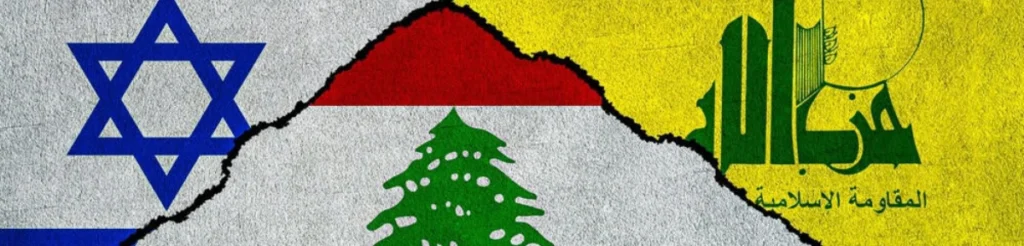
One concern frequently raised by regional experts is that prolonged conflict can reinforce the narrative of resistance promoted by armed groups.
Organizations involved in regional conflicts often present themselves as defenders against external threats. Continued military confrontations can provide opportunities for such groups to strengthen their messaging and recruit supporters.
In Lebanon, political and military dynamics are deeply interconnected. Actions that weaken military capabilities in the short term may also influence political perceptions in ways that are difficult to predict.
This creates a challenging environment where every tactical move has broader strategic implications.
Economic Consequences and Regional Stability

Lebanon has faced severe economic challenges in recent years.
Financial instability, inflation, unemployment, and infrastructure issues have affected millions of people. Any escalation in regional tensions can further strain economic recovery efforts.
Instability in Lebanon can create security concerns for neighboring countries, including Israel. Economic hardship often contributes to political uncertainty, social tensions, and weakened state institutions.
For this reason, many observers argue that long-term security requires not only reducing military threats but also supporting conditions that encourage economic stability and effective governance.
Without broader stability, security gains may prove difficult to sustain.
Diplomatic Opportunities at Risk

Military operations often occur alongside diplomatic efforts.
Regional negotiations, international mediation, and ceasefire agreements can create opportunities to reduce tensions and establish more predictable security arrangements.
Critics argue that if military actions overshadow diplomatic initiatives, opportunities for long-term conflict reduction may be lost.
Diplomatic engagement is rarely simple, especially in a region marked by decades of mistrust. Nevertheless, sustainable security frequently depends on maintaining channels for dialogue, even during periods of tension.
A purely military approach may achieve immediate objectives while limiting future diplomatic flexibility.
The Regional Dimension
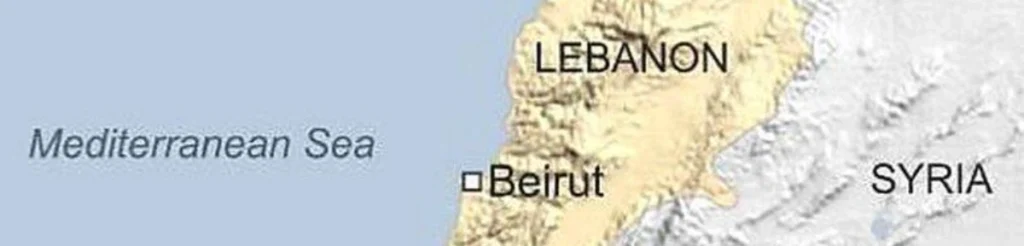
The situation in Lebanon cannot be viewed in isolation.
Regional actors, including Iran, Syria, Gulf states, and international powers, all have interests in Lebanon’s future. Developments along the Israel-Lebanon border often influence wider geopolitical calculations.
Actions taken by one side can trigger responses from multiple actors across the region. As a result, decisions that appear effective in the short term may have broader consequences for regional stability.
This interconnected environment makes strategic planning particularly complex.
Success requires considering not only immediate security outcomes but also their impact on regional relationships and future negotiations.
Balancing Security and Long-Term Goals

Israel faces a genuine security challenge along its northern border.
Protecting citizens from potential attacks remains a legitimate and important responsibility for any government. However, policymakers must also consider how military actions influence long-term objectives.
A successful strategy generally requires multiple elements:
- Strong national defense
- Effective intelligence capabilities
- Diplomatic engagement
- Regional cooperation
- Economic stability
- Conflict prevention mechanisms
When one element dominates at the expense of others, long-term outcomes can become more uncertain.
The challenge is not choosing between security and diplomacy but finding a balance that supports both.
What Would Strategic Success Look Like?

A truly successful outcome would involve more than reducing immediate threats.
Long-term strategic success could include:
- A stable and secure border
- Reduced risk of future conflict
- Stronger regional cooperation
- Economic recovery and stability in neighboring areas
- Effective diplomatic mechanisms for managing disputes
- Lower levels of hostility between populations
Achieving these goals requires patience and a broader vision beyond military operations alone.
History suggests that lasting security is often built through a combination of deterrence, diplomacy, economic development, and political engagement.
Conclusion
The debate over whether Israel is derailing its own success in Lebanon reflects a larger question faced by many nations involved in prolonged conflicts: How can tactical victories be translated into lasting strategic gains?
Israel has achieved important security successes in addressing threats along its northern border. However, maintaining those gains requires navigating a complex landscape of politics, public opinion, economics, and regional diplomacy.
Military effectiveness remains an essential component of national security, but long-term stability often depends on what happens after the immediate threat has been addressed.
As the situation continues to evolve, the challenge for all parties will be finding pathways that reduce tensions, improve security, and create conditions for a more stable future. Whether current strategies ultimately strengthen or undermine long-term objectives remains a subject of ongoing debate among policymakers, analysts, and observers across the region.