
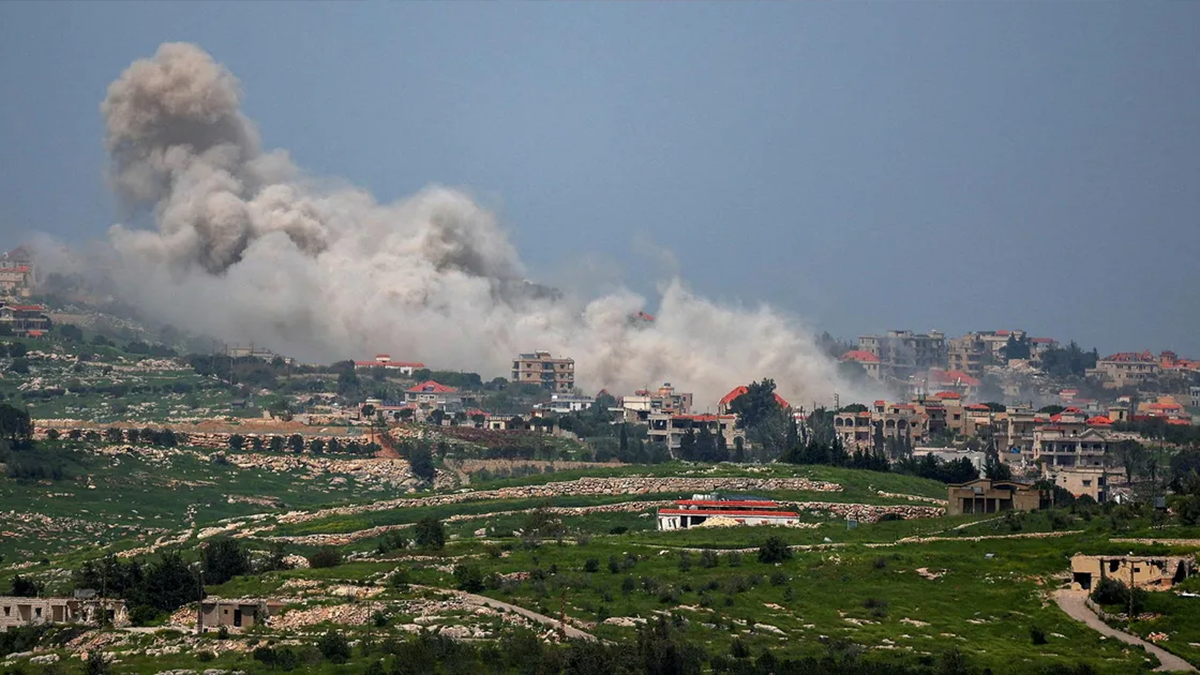
A recently announced ceasefire between Israel and Hezbollah collapsed within hours of taking effect, highlighting the fragile nature of peace efforts in one of the Middle East’s most volatile regions. The breakdown of the truce has reignited concerns about a wider regional conflict, increased humanitarian suffering, and diminished confidence in diplomatic solutions.
The rapid unraveling of the ceasefire demonstrates the deep mistrust that exists between the two sides and the challenges faced by international mediators attempting to reduce tensions. As military exchanges resumed almost immediately, hopes for a sustained period of calm quickly faded.
The Promise of a Temporary Pause
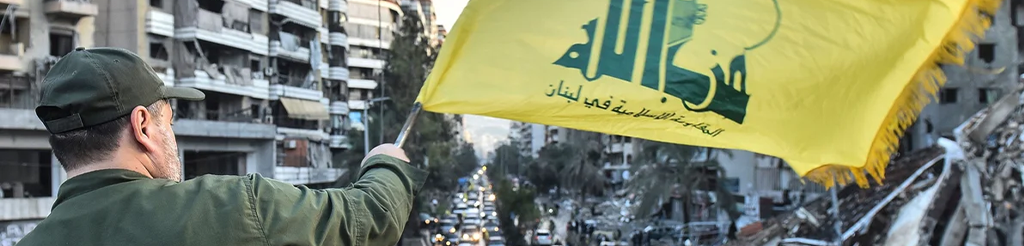
The ceasefire was initially welcomed by regional governments, international organizations, and civilians living near conflict zones. Many viewed it as an opportunity to halt violence, provide humanitarian relief, and create space for diplomatic negotiations.
Both Israel and Hezbollah had faced growing international pressure to reduce hostilities. Continuous exchanges of fire along the Israel-Lebanon border had raised fears that the conflict could expand into a larger regional war involving additional actors.
The ceasefire was expected to serve several purposes:
- Reduce military tensions
- Protect civilian populations
- Allow humanitarian assistance
- Facilitate diplomatic discussions
- Prevent regional escalation
For a brief moment, there was cautious optimism that the agreement could become the foundation for a longer-lasting peace arrangement.
How the Ceasefire Collapsed
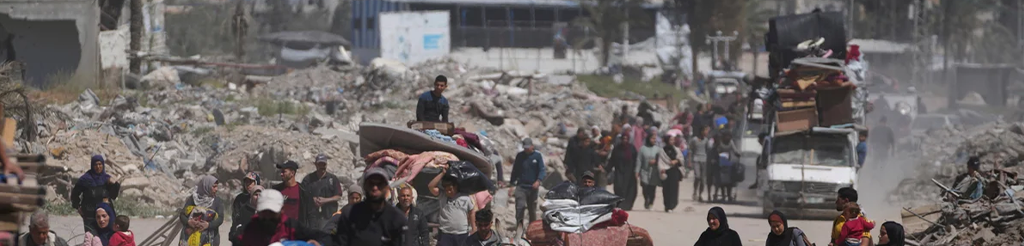
Despite the announcement, reports of violations emerged shortly after the ceasefire came into effect. Accusations were exchanged regarding attacks, military movements, and violations of agreed terms.
Israel claimed that hostile actions continued from Hezbollah-controlled areas, while Hezbollah accused Israel of carrying out military operations despite the agreement. As each side blamed the other for breaching the ceasefire, the situation deteriorated rapidly.
The exchange of accusations reflects a long-standing pattern in the conflict. Previous ceasefires have often struggled due to disagreements over implementation, verification, and accountability.
Without a strong mechanism to monitor compliance, even minor incidents can quickly trigger retaliation and renewed violence.
A History of Fragile Truces
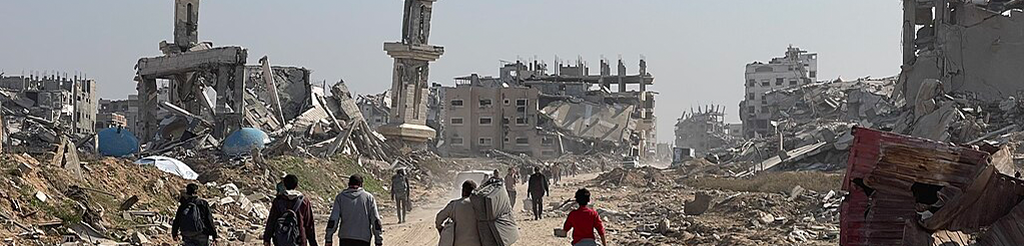
The conflict between Israel and Hezbollah has produced multiple ceasefires over the years, many of which have faced significant challenges.
The relationship between the two sides is shaped by decades of military confrontations, political disputes, and security concerns. This history creates an environment where trust is extremely limited.
Several factors contribute to the fragility of ceasefires:
Mutual Distrust
Both sides remain skeptical about the intentions of the other. Any perceived violation is often viewed as deliberate rather than accidental.
Security Concerns
Israel views Hezbollah’s military capabilities as a significant threat to its national security. Hezbollah, meanwhile, argues that its actions are necessary for resistance and defense.
Regional Dynamics
The conflict is influenced by broader regional rivalries involving Iran, the United States, and other Middle Eastern actors.
Lack of Enforcement
Many ceasefire agreements depend on voluntary compliance rather than strong enforcement mechanisms.
These factors make maintaining a lasting truce exceptionally difficult.
Humanitarian Impact
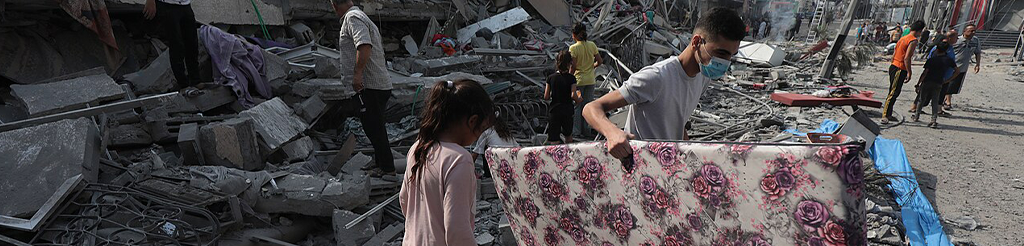
The collapse of the ceasefire has serious consequences for civilians on both sides of the border.
Residents who hoped the violence would end now face renewed uncertainty. Communities near conflict zones remain vulnerable to attacks, displacement, and disruptions to daily life.
Humanitarian organizations have expressed concern about:
- Civilian casualties
- Damage to homes and infrastructure
- Displacement of families
- Limited access to healthcare
- Economic hardship
Schools, businesses, and public services often struggle to operate during periods of heightened conflict.
For many families, the breakdown of the ceasefire means continued fear and instability.
International Reactions
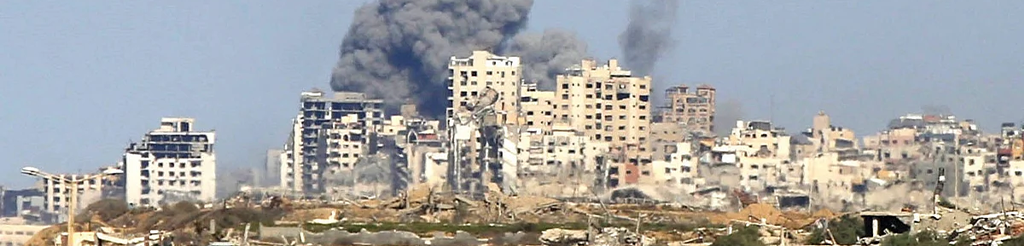
The international community has responded with concern to the rapid collapse of the ceasefire.
World leaders and diplomatic organizations have urged restraint and called on both sides to avoid actions that could further escalate tensions.
Many governments believe that continued fighting increases the risk of a broader regional confrontation. The Middle East remains highly interconnected, and conflicts can quickly involve additional countries and non-state actors.
Diplomats continue to emphasize the importance of dialogue and negotiation as alternatives to military escalation.
International organizations have also renewed calls for humanitarian access and civilian protection.
The Role of Hezbollah

Hezbollah remains one of the most influential political and military organizations in Lebanon.
The group maintains significant military capabilities and has played a central role in regional conflicts for decades. Hezbollah argues that its activities are necessary to protect Lebanon and resist external threats.
Supporters view the organization as a defender of Lebanese interests, while critics argue that its military activities contribute to instability.
Its strategic relationship with Iran adds another layer of complexity to the conflict. Decisions made by Hezbollah often have implications beyond Lebanon’s borders, influencing wider regional dynamics.
Israel’s Security Perspective

Israel maintains that its military operations are aimed at protecting its citizens and preventing attacks from across the border.
Israeli officials have repeatedly stated that they cannot tolerate threats from armed groups operating near their territory. Security concerns remain a major factor influencing Israeli policy.
From Israel’s perspective, military action is often presented as necessary to deter future attacks and maintain national security.
However, critics argue that continued military operations can fuel further tensions and make diplomatic solutions more difficult to achieve.
Risks of Regional Escalation
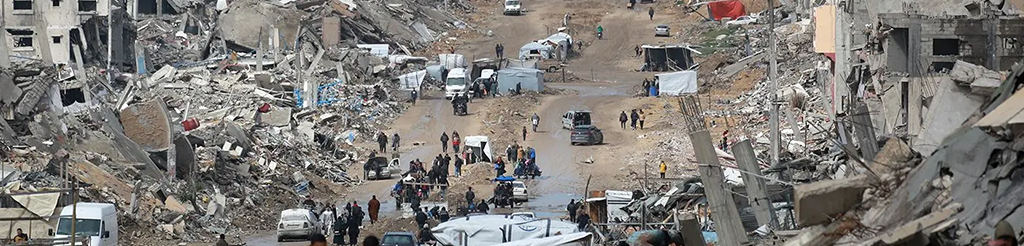
One of the greatest concerns surrounding the collapse of the ceasefire is the possibility of a wider conflict.
Several factors increase this risk:
Expanded Military Operations
Further escalation could lead to larger and more intense military campaigns.
Involvement of Regional Actors
Other countries and organizations may become more directly involved if tensions continue to rise.
Economic Consequences
Instability in the Middle East can affect global energy markets, trade routes, and investor confidence.
Humanitarian Crisis
A prolonged conflict would likely increase displacement, casualties, and humanitarian needs.
These risks explain why international mediators continue to push for renewed negotiations.
Can Diplomacy Still Succeed?
Despite the collapse of the ceasefire, diplomacy remains the most viable path toward reducing tensions.
History has shown that military victories rarely resolve the underlying political issues driving long-term conflicts. Sustainable peace typically requires negotiation, compromise, and confidence-building measures.
Diplomatic efforts may focus on:
- Restoring communication channels
- Preventing further escalation
- Establishing monitoring mechanisms
- Addressing security concerns
- Expanding humanitarian access
While progress may be slow, continued dialogue offers the best chance of avoiding a larger regional crisis.
Conclusion
The rapid collapse of the ceasefire between Israel and Hezbollah illustrates the deep challenges facing peace efforts in the Middle East. What began as a hopeful opportunity for de-escalation quickly deteriorated into renewed accusations and conflict.
The situation highlights the fragile nature of ceasefires in regions marked by longstanding rivalries, security concerns, and political complexities. As military tensions rise once again, civilians remain the most affected by the instability.
Whether future diplomatic efforts can restore calm remains uncertain. However, the events surrounding this failed ceasefire serve as a reminder that lasting peace requires more than temporary agreements—it demands sustained commitment, trust-building, and meaningful political solutions from all parties involved.