
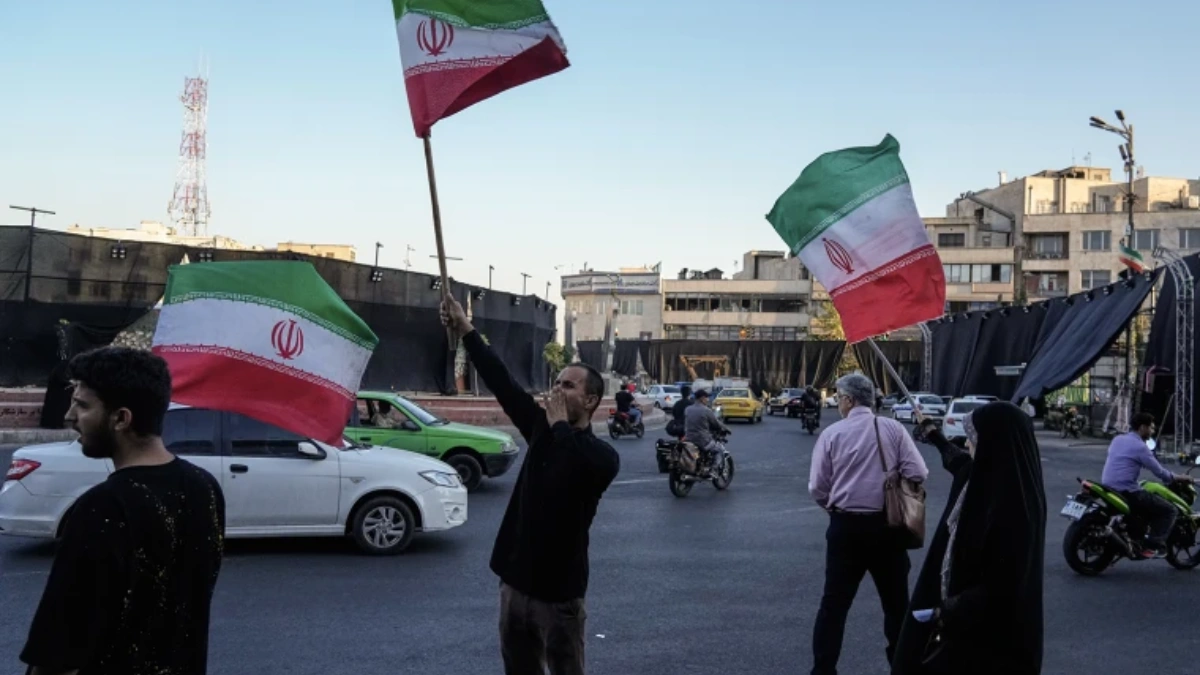
The announcement of a preliminary peace agreement between the United States and Iran has triggered reactions across the world, with governments, international organizations, and opposition groups weighing in on what could become a significant turning point in Middle Eastern politics. Among the most notable responses came from the National Council of Resistance of Iran (NCRI), one of the most prominent Iranian opposition movements operating outside the country.
The peace framework, reportedly reached after months of negotiations and mediation efforts, aims to end hostilities between Washington and Tehran, reopen the strategically important Strait of Hormuz, and establish a roadmap for future discussions regarding Iran’s nuclear program and sanctions relief. While many world leaders welcomed the agreement as a step toward stability, the NCRI emphasized that lasting peace cannot be achieved without addressing human rights concerns and political repression inside Iran.
The deal has been broadly welcomed by international leaders who view it as an opportunity to prevent further conflict and restore economic stability. Markets reacted positively, with oil prices declining after the announcement due to expectations of resumed energy exports and improved regional security.
NCRI Welcomes End of Conflict
Maryam Rajavi, President-elect of the NCRI, issued a statement welcoming efforts to end the war and reduce the suffering experienced by the Iranian people.
Rajavi stated that the Iranian Resistance supports any understanding that can bring peace and alleviate hardships faced by ordinary citizens. She emphasized that the Iranian people have consistently desired peace and freedom rather than prolonged conflict. According to her statement, only the ruling establishment and remnants of previous authoritarian systems have benefited from continued confrontation and instability.
The NCRI’s reaction reflects its long-standing position that the interests of ordinary Iranians differ significantly from those of the country’s ruling authorities. The organization argues that decades of economic hardship, political repression, and international isolation have placed a heavy burden on citizens while strengthening authoritarian structures.
Concerns About the Iranian Regime
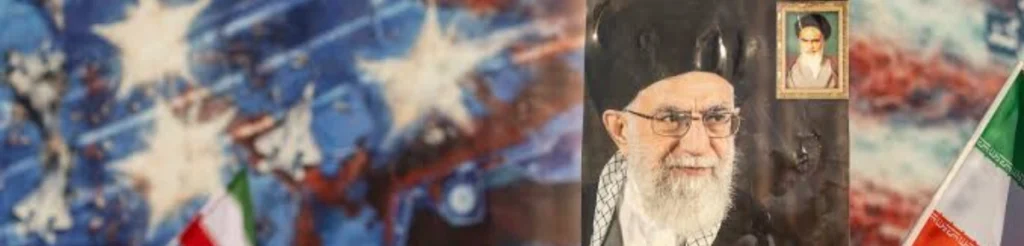
Despite welcoming the ceasefire, the NCRI expressed skepticism about the intentions of Iran’s leadership.
Rajavi argued that Tehran’s pursuit of nuclear capabilities, involvement in regional conflicts, and interference in neighboring countries have historically been tools used to maintain political control. She suggested that such policies form part of a broader survival strategy employed by the ruling system and warned that these behaviors may continue unless fundamental political change occurs.
The opposition movement has consistently criticized Iran’s government for using external conflicts to rally domestic support and suppress dissent. From the NCRI’s perspective, peace agreements should not simply focus on military de-escalation but also address the internal dynamics that contribute to instability.
Human Rights at the Center of NCRI’s Response

One of the strongest elements of the NCRI’s statement was its emphasis on human rights.
Rajavi insisted that any international agreement involving Iran should include provisions addressing the treatment of political prisoners and protesters. She specifically called for an end to executions and crackdowns against individuals who oppose the government.
According to the NCRI, genuine peace cannot be separated from respect for fundamental freedoms and democratic rights. The organization argues that international diplomacy should not overlook human rights concerns in exchange for strategic or economic objectives.
This position aligns with the NCRI’s broader campaign to draw international attention to alleged abuses within Iran and to advocate for democratic reforms.
The NCRI’s Vision for Change
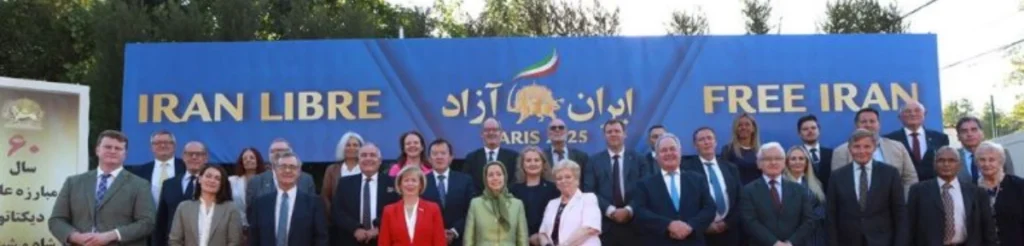
The opposition group also reiterated its belief that meaningful political transformation must come from within Iran.
Rajavi stated that responsibility for changing the country’s political system ultimately rests with the Iranian people and organized resistance movements. She argued that peace agreements may create conditions more favorable for democratic activism by reducing the government’s ability to justify repression through external threats.
For decades, the NCRI has presented itself as an alternative political vision for Iran, advocating democratic governance, gender equality, separation of religion and state, and respect for human rights.
While the organization remains controversial among some analysts and governments, it continues to maintain support networks among Iranian expatriates and opposition activists.
International Reactions and Broader Implications

The NCRI’s response emerged alongside reactions from governments worldwide. The United Nations, European leaders, and several regional powers welcomed the peace framework as a positive step toward reducing tensions and promoting diplomacy. Many emphasized the importance of ensuring full implementation of the agreement and maintaining oversight of future negotiations.
At the same time, critics have questioned whether the agreement adequately addresses key security concerns, including Iran’s nuclear program and regional influence. Some observers fear that unresolved issues could undermine the deal if negotiations stall or political opposition grows on either side.
For opposition groups like the NCRI, the central question is whether diplomatic progress abroad will translate into greater freedoms at home.
What Happens Next?
The coming months will be critical in determining whether the peace framework develops into a lasting agreement. Negotiators are expected to address complex issues related to nuclear oversight, sanctions relief, regional security, and economic cooperation. Official signing and implementation procedures are expected to follow as diplomatic discussions continue.
Meanwhile, the NCRI is likely to continue advocating for human rights and democratic reforms as part of any broader international engagement with Iran. Its reaction highlights a perspective often absent from state-to-state diplomacy: the voices of opposition movements and civil society actors who argue that sustainable peace requires political freedom as well as security.
Conclusion
The National Council of Resistance of Iran has cautiously welcomed news of the emerging peace deal between the United States and Iran, viewing the reduction of conflict as beneficial for the Iranian people. However, the organization insists that lasting peace must go beyond ceasefires and diplomatic agreements. According to the NCRI, any meaningful settlement should address political repression, protect human rights, and create conditions that allow Iranians to determine their own future.
As negotiations move forward, the debate over Iran’s future will likely extend beyond nuclear issues and regional security concerns. The NCRI’s response serves as a reminder that questions of democracy, freedom, and human rights remain central to discussions about peace and stability in Iran and the wider Middle East.